The Reality of Round-the-Clock Shooting Facilities
Around-the-clock shooting facilities do exist across the United States, but they almost never operate as open, walk-in commercial retail storefronts at two in the morning. Instead, round-the-clock live-fire access is almost exclusively structured through private membership clubs, vetted syndicates, or dedicated law enforcement training centers that permit credentialed civilian members. For enthusiasts balancing irregular work schedules or seeking quiet practice without lane waits, these venues provide unmatched flexibility, provided you can satisfy rigorous initial screening requirements.
Casual shooters frequently assume that firearms facilities follow the commercial model of other nighttime recreation. When visiting sports facilities with lighted tee lines for evening practice, customers typically expect on-site attendants, walk-in rental desks, and open public doors. With firearms, however, liability insurance, municipal ordinances, and physical safety risks create an entirely different operating environment. Unmanned public access carries unacceptable legal and physical risks, which is why operators lock commercial storefronts overnight and restrict midnight access to pre-vetted cardholders.
Geographic availability depends heavily on municipal density, state firearm regulations, and local zoning boards. In regions with long-standing sporting traditions, such as private club networks among ranges in Texas and other midwestern or southern states, automated indoor facilities with 24-hour keycard entries are noticeably more common. Conversely, densely populated metropolitan centers rarely grant 24-hour operational permits to live-fire ranges due to noise regulations, leaving urban target shooters dependent on standard daytime business hours.
How Keycard and Key Fob Access Systems Work
The backbone of any unattended, 24-hour live-fire venue is an industrial electronic access control network. Rather than relying on a range master at the front desk to check waivers at midnight, members receive an RFID key fob, encoded smart card, or biometric profile that operates exterior security portals. Each scan is logged in a centralized database with down-to-the-second timestamps, giving facility management an indisputable digital record of every individual entering and leaving the property.
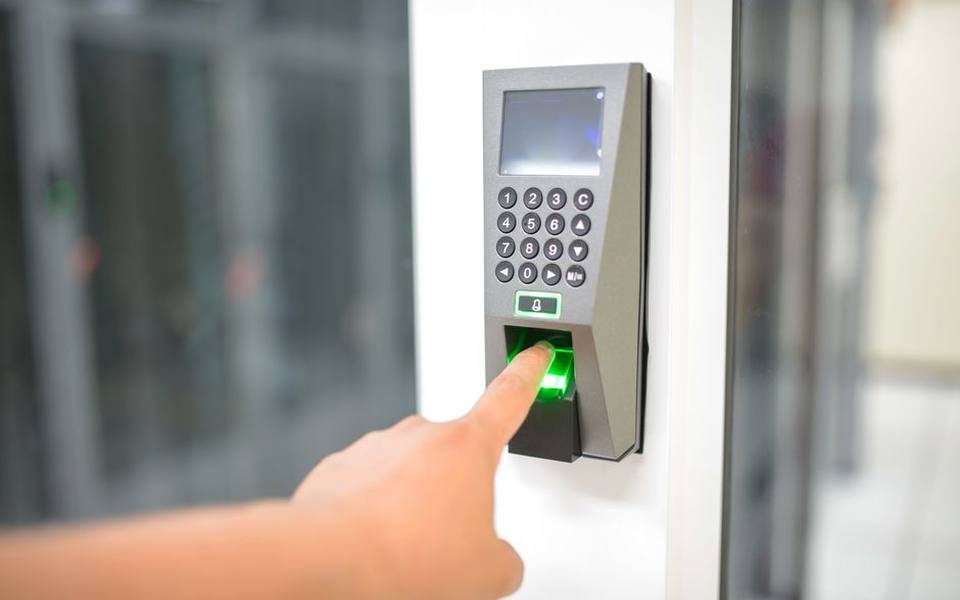
Entering these facilities typically involves passing through a secure mantrap vestibule. This architectural design requires the exterior door to latch completely before the interior range door unlocks, which serves two critical purposes. First, it physically prevents unverified companions or unauthorized strangers from tailgating behind a credentialed member. Second, it maintains the strict negative air pressure required to keep lead particulates and propellant dust contained within the shooting bay rather than leaking into common lobbies.
Lane activation is often directly integrated into the same access software. Upon entering the bay, members frequently swipe their credentials at an automated lane console to turn on stall lighting, power motorized target runners, and initialize acoustic air baffles. If a member’s annual dues are delinquent or their mandatory safety certification has lapsed, the digital console will refuse to energize the lane, preventing unauthorized shooting without requiring on-site staff intervention.
Staffing Differences Between Day and Night Hours
Before applying to a round-the-clock range, it is vital to recognize the differences between staffed business hours and unattended night access. During standard daytime shifts, these facilities often look like regular target venues. Retail clerks assist customers, gunsmiths handle bench work, certified range safety officers supervise the lanes, and target supply desks remain open. Shooters who need gear rentals, paper targets, or ammunition purchases can conduct business normally during these core hours.
Once retail operations wrap up for the evening, the venue switches into an automated, unstaffed operating mode. In this state, there are no range masters watching over the line, no attendants to clear complex cartridge jams, and no retail staff to provide hearing protection. Shooters practicing after hours must possess complete mechanical self-sufficiency, strict muzzle discipline, and the maturity to handle misfires or equipment malfunctions without relying on on-site assistance.
Operating without staff also demands enhanced communication among members who happen to share the firing line overnight. Even though modern automated target retrieval systems largely eliminate the necessity of walking downrange, shooters must still coordinate clearly if any maintenance issue requires declaring a cold line. Courteous communication, mutual observation, and adherence to shared etiquette are critical to maintaining safety when the supervisory staff is away.
Safety Vetting and Mandatory Safety Officer Certifications
Because unstaffed operations introduce elevated insurance exposure, gaining night access requires far more than paying an entry fee. Prospective members typically undergo an extensive vetting sequence before receiving late-night key credentials. Depending on the club, this process commonly involves an in-depth criminal background check, confirmation of valid state concealed carry credentials, and an in-person screening interview with the club’s board of directors or chief safety officer.
Live-fire safety assessments are standard practice before autonomous privileges are granted. Range evaluators observe an applicant’s safe handling practices under realistic conditions, confirming consistent muzzle control, solid trigger discipline, proper malfunction clearances, and safe bench management. An applicant who exhibits nervous handling, sweeps their firearm across adjacent stalls, or struggles with basic mechanical operation during daylight testing will not receive approval for unattended midnight access.
Many clubs also require members to complete an on-site Range Safety Officer orientation tailored specifically to their physical building. This orientation covers the exact locations of master ventilation shutoffs, electrical breakers, fire suppression systems, automated external defibrillators, and wall-mounted trauma response kits. Members are taught to act as their own first responders, ensuring that everyone inside understands the building’s life-safety systems thoroughly.
Video Surveillance, Remote Monitoring, and Automated Lockdowns
The lack of an in-person safety officer does not mean after-hours shooting is unobserved. State-of-the-art round-the-clock facilities use high-definition security cameras that monitor every angle of the facility, including parking areas, entry vestibules, staging benches, and individual stalls. High-resolution cameras are positioned directly above and behind the firing line, capturing clear footage of handling techniques, bench cleanliness, and downrange bullet impact areas.
Modern installations frequently integrate commercial monitoring services and automated artificial intelligence analytics into their surveillance infrastructure. If an individual crosses forward of the firing line, handles firearms behind the safety line, or displays abnormal movement, the security system can flag the event, sound an automated audio advisory over the PA system, or notify on-call facility managers. Knowing that all activities are digitally recorded fosters accountability among members.
Surveillance archives are also audited whenever mechanical damage is discovered on the line. If a ceiling baffle is struck by a high bullet impact or an automated target carrier is disabled, facility administrators review footage from that exact time block. Members responsible for careless rapid-fire or negligent discharges are quickly identified, billed for repairs, and subjected to membership suspension, ensuring equipment remains properly maintained for everyone.
Air Filtration and Environmental Systems Overnight
Maintaining an indoor live-fire range overnight requires heavy mechanical engineering, centered primarily on continuous air filtration. Discharging ammunition releases airborne lead vapor, carbon monoxide, and chemical propellant residues into the shooting environment. In daytime-only ranges, industrial ventilation blowers operate during business hours and shut down overnight to conserve power. In 24-hour buildings, however, the air handling systems must maintain clean airflow whenever stalls are in use.
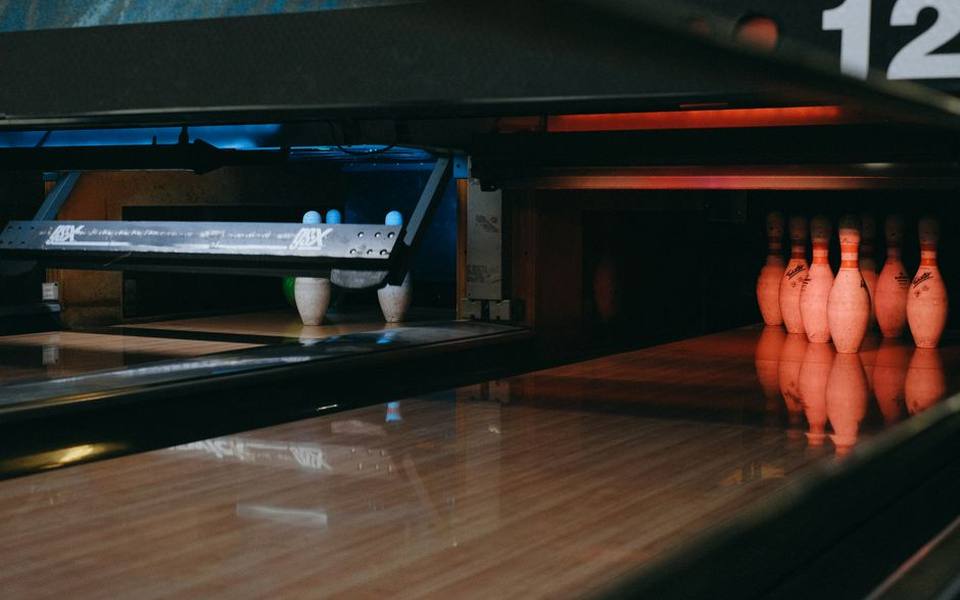
Industrial range ventilation utilizes variable-frequency drive motors paired with negative air pressure sensors. When an authorized member swipes in at two in the morning, the system immediately pulls clean air from behind the firing line and draws it downrange toward the bullet trap at an average velocity of seventy-five feet per minute. This continuous laminar flow ensures hazardous particulates are drawn away from the shooter's lungs and trapped in filter banks before recirculating.
Upkeeping these ventilation setups represents a major operational expense. Multi-stage pre-filters capture heavy debris before exhaust air passes through certified HEPA filtration units that catch microscopic lead particles. Much like how maintaining virtual simulation bays at indoor simulator bays requires constant sensor calibration, high-grade range filters demand ongoing professional replacement and lead disposal to meet occupational health benchmarks.
Noise Ordinances, Zoning, and Architectural Challenges
The primary reason 24-hour shooting ranges are uncommon comes down to municipal zoning policies and municipal noise limits. Discharging firearms generates high acoustic decibel spikes that easily breach residential night noise limits. Even well-insulated standard commercial properties can struggle to dampen the deep low-frequency acoustic thump generated by large-caliber handguns and rifles, making midnight operating permits nearly impossible to secure near residential neighborhoods.
To satisfy strict municipal decibel regulations, facilities built for round-the-clock operation invest heavily in ballistic soundproofing. Walls are frequently constructed from thick, aggregate-filled concrete masonry units lined with specialized acoustic foam, rubber baffles, and deadening curtains. Ceilings use angled sound-absorbing baffles that trap acoustic waves before they can vibrate exterior roof trusses, requiring substantial capital investment that simple commercial spaces cannot match.
These acoustic containment constraints mean that outdoor 24-hour live-fire facilities are practically nonexistent in suburban and urban settings. While some rural rod and gun clubs offer 24-hour access to their clubrooms, workshops, or outdoor archery ranges, live shooting outdoors is nearly always restricted between sunset and sunrise by county sound bylaws. Consequently, midnight live practice is almost completely limited to fully enclosed, heavily insulated indoor structures.
Membership Fees and the Real Cost of Unrestricted Access
Unrestricted around-the-clock access carries a clear financial premium over typical daytime public shooting fees. A visit to a standard public range generally involves an hourly stall fee of twenty to thirty dollars, but 24-hour ranges operate primarily on annual dues, initiation fees, or equity club memberships. Members fund the constant electrical draw of industrial air handlers, continuous electronic surveillance, and regular maintenance through predictable monthly or yearly payments.
Pricing structures vary widely depending on property location, structural quality, and available perks. Rural, volunteer-run clubs may offer modest annual membership dues, often asking members to participate in occasional workdays or range upkeep projects. Conversely, modern suburban automated facilities featuring electronic target carriers, private cleaning suites, and member lounges carry significantly higher monthly dues, reflecting their heavy commercial overhead.
Prospective members should also account for ancillary costs such as RFID card issuance fees, mandatory safety orientation dues, and annual building assessments. Because members shoot without constant supervision, facilities must keep maintenance reserves for target rail repairs, rubber trap cleanouts, and commercial filter replacements. Shooters should assess whether their personal routines truly demand night access before committing to an annual membership contract.
Guest Policies and Overnight Safety Regulations
A common misunderstanding among new members is the belief that an unstaffed 24-hour keycard allows them to bring friends or family members at will. In practice, the majority of autonomous facilities either strictly prohibit non-member guests during unstaffed shifts or limit guest access to daytime staffed windows. Unvetted guests represent an unpredictable liability risk that commercial insurers are reluctant to cover when certified safety staff is off site.
While the primary keycard holder has completed background vetting, safety orientations, and live handling assessments, a guest has passed no such screening. If an unfamiliar guest experiences an accidental discharge, mishandles a loaded weapon, or causes structural damage while alone on the line, the facility’s operating license and insurance standing can be jeopardized. Restricting guests protects both the club’s assets and the safety of other members.
In venues that do allow guests during unstaffed hours, rules are strictly enforced. Typically, members are limited to one accompanied guest who must share the member's assigned lane, ensuring constant one-on-one supervision. Allowing a guest to shoot unmonitored or stepping back to shoot from a neighboring stall simultaneously is considered a critical safety breach, frequently resulting in the permanent revocation of keycard privileges.
How to Find and Vet Facilities in Your Area
Locating a genuine round-the-clock range requires looking past standard commercial gun shop directories. Most retail ranges prioritize daytime customer sales and cannot justify the operational costs of staying open all night. To find authentic 24-hour facilities, look toward private conservation leagues, fraternal rod and gun associations, police training facilities that open slots to civilians, and regional directories on DrivingRangeAtlas that track diverse sports venues across the nation.
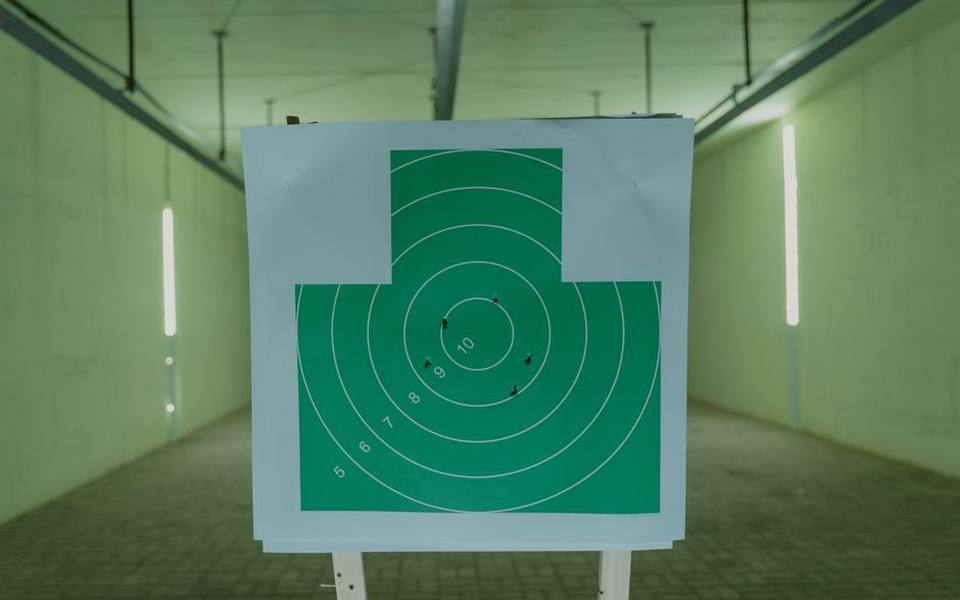
When considering a facility, schedule an in-person walkthrough during staffed daytime hours to inspect its core physical infrastructure. Pay special attention to air handling: does the firing line have a crisp, continuous downrange draft, or do you notice stagnant air and lingering gunpowder smoke in the staging area? Check the condition of the target hangers, the lighting levels downrange, and ask management how frequently lead particulate cleaning is performed.
Ask clear questions regarding after-hours maintenance and emergency response protocols. Find out what steps you should take if a motorized target carrier locks up at three in the morning or an automated exterior door sensor malfunctions. A reputable round-the-clock venue will maintain clearly posted emergency contacts, visible medical trauma kits, and functional landline emergency phones directly on the firing line.
Deciding if Round-the-Clock Range Access Fits Your Training Schedule
Determining whether to invest in a round-the-clock range membership comes down to your personal routine, safety experience, and shooting objectives. For healthcare shift workers, emergency personnel, law enforcement officers, and dedicated target competitors, 24-hour availability eliminates the frustration of conflicting store hours. The ability to zero sights, practice draw mechanics, or run deliberate drills in an uncrowded bay is a tremendous benefit for disciplined shooters.
However, late-night shooting demands complete confidence in your fundamental firearm safety habits. Without an on-duty range officer to remind you of safety procedures or catch handling errors, personal discipline is your only safety net. Beginners who still require coaching or shooters who enjoy the community atmosphere of daytime venues like public practice grounds may find unstaffed, quiet midnight bays isolating or unnecessarily demanding.
Ultimately, 24-hour shooting venues serve an important role for experienced shooters who need schedule flexibility and consistent training access. Modern security controls, industrial air filtration, and strict member vetting allow these facilities to operate safely without around-the-clock staff. By understanding the membership costs, environmental systems, and personal responsibilities involved, you can decide whether a 24-hour membership matches your lifestyle and training goals.
Published 2026-09-21 · reviewed with each rebuild, last September 2026.
Find driving ranges near you
The directory lists 3,693 driving ranges by state and city — pick your state or use the “Near me” button in the header.
More guides
-
 Buying
Realistic Costs and Equipment Needed for a Home Golf Simulator
-
 Service
Golf Club Maintenance: Regripping and Reshafting Guide
-
 Money
MoneyGolf Lessons Cost and Beginner Guide: What to Expect and How to Budget
-
 Buying
Golf Club Fitting Cost and Selection Guide
-
 Buying
A Practical Guide to Buying, Selling, and Trading In Used Golf Clubs
-
 Money
MoneyDriving Range Costs, Practice Routines, and Range Etiquette
-
 Service
Fixing Topped Shots and Improving Ball Striking on the Range
-
 Buying
Best Golf Launch Monitors Buying Guide: Space, Tech, and Budget
-
 Buying
The Complete Guide to Buying Used Golf Clubs and Pre-Owned Equipment
-
 Buying
How to Choose the Best Local Golf Shop and Pro Shop Services
-
 Owning
Miniature Golf and Putt-Putt Guide: Rules, Courses, and Family Fun
-
 Service
Complete Guide to Custom Golf Fitting and Shaft Selection
-
 Buying
Complete Guide to Buying and Maintaining Golf Shoes and Cleats
-
 Owning
Designing and Installing Indoor and Backyard Putting Greens
-
 Service
Golf Swing Analytics, Speed Training, and Shot Tracking Systems
-
 Buying
Golf Practice Nets, Driving Mats, and Backyard Hitting Setups
-
 Buying
How to Buy Used Golf Clubs and Get the Best Demo Day Deals
-
 Owning
Custom Golf Gear Personalization: Stampers, Bags, and Embroidery
-
 Buying
Selecting and Setting Up Home Golf Simulators and Launch Monitors
-
 Service
Choosing Golf Academies, Lessons, and Coaching Programs
-
 Buying
Custom Golf Club Fitting: Shafts, Clubheads, and Specifications
-
 Service
Entertainment Driving Ranges: Planning Group Outings, Corporate Events, and Bachelor Parties
-
 Service
Mini Golf, Footgolf, and Indoor Golf: Complete Venue Guide and Directory
-
 Owning
Tournaments, Scoring Tech, and Gear Upkeep: The Modern Golfer's Guide
-
 Buying
Golf Equipment and Club Fitting Guide: Starter Sets, Drivers, and Custom Builds
-
 Buying
Finding the Right Golf Pro Shop and Equipment Retailer
-
 Owning
Designing and Hosting Mini Golf Events: Indoor Party Venues and Practice Games
-
 Buying
Indoor Golf Practice and Launch Monitors: How to Build Your Studio
-
 Buying
Golf Laser Rangefinders Buyer's Guide: Features, Accuracy, and Value
-
 Owning
Golf Club Groove Maintenance: Tools, Techniques, and Equipment Care
-
 Buying
Commercial Golf Green Mowers: Maintenance, Selection, and Buying Guide
-
 Owning
Best Mobile Golf Simulators and Games for Practice and Play
-
 Owning
Fixing Heavy Contact, Managing Distance, and Choosing Cold-Weather Gear
-
 Buying
Club Car Golf Carts: The Practical Guide to Buying, Inspecting, and Customizing
-
 Owning
Complete Guide to Putt-Putt Games: History, Titles, Platforms, and Walkthroughs
-
 Service
Top Sports Bars and Lounges: How to Pick the Best Game-Day Spots in NYC and Florida
-
 Owning
Golf Green Mobile Estates: Guide to Golf Community Living and Amenities