The Value in Second-Hand Equipment
Modern golf equipment evolves incrementally from year to year, which means purchasing clubs that are two to four seasons old delivers nearly identical performance to current showroom models at a fraction of the cost. When you bypass the immediate retail depreciation of newly released gear, you free up budget for coaching, course fees, or custom adjustments. The secondary market accommodates players of all skill levels, whether you are building a beginner starter set or upgrading to specialized components tailored to your swing.
Navigating pre-owned inventories requires an understanding of where real savings exist versus where hidden wear can compromise your game. Factory direct programs, local golf shops, pro shop trade-in racks, and peer-to-peer exchanges each have distinct advantages. Success comes down to knowing how to assess structural condition, verify component authenticity, and test club performance in real hitting conditions before finalizing a deal.
Before spending money on used gear, take time to benchmark your current swing speeds, launch angles, and typical miss patterns. Visiting local public driving ranges allows you to evaluate your current yardage gaps accurately. Armed with realistic performance numbers, you can search for used equipment that solves specific trajectory problems rather than guessing based on cosmetic appeal alone.
Evaluating Secondary Market Drivers and Woods
Hunting for second-hand drivers for sale offers some of the steepest discounts in golf, because top brands release updated flagship models almost every twelve months. When inspecting a pre-owned driver, examine the crown closely for hairline stress fractures or subtle dents resulting from sky marks and high-impact mishits. Carbon-composite crowns and titanium face welds must remain perfectly intact; any hairline crack will quickly spread under standard swing speeds, ruining the head entirely.
Check the hosel adapter if the driver features adjustable loft and lie settings. Ensure the adjustment screw turns smoothly without stripping and that the alignment marks seat cleanly into the collar. Counterfeit clubheads frequently show sloppy hosel tolerances or misaligned graphic fonts, so compare serial numbers against manufacturer databases when possible. If the original headcover is missing, factor in the small additional cost of sourcing replacement protection to prevent bag chatter during transport.
Fairway woods require similar scrutiny, especially high-lofted utility woods that have surged in popularity among amateur players. Sourcing a Callaway pre owned 7 wood or similar high-launch fairway metal can dramatically improve your approach play from long rough and fairway bunkers. Inspect the leading edge for heavy gouges from gravel or root strikes, as an uneven ground-contact profile can interfere with clean turf interaction through the impact zone.
Selecting Complete Pre-Owned Iron Sets
Finding a quality golf iron set for sale requires evaluating the middle and scoring irons far more critically than the longer clubs. Golfers hit significantly more practice balls with their seven, eight, and nine irons, meaning the central face grooves on these clubs show the most erosion. Run your thumbnail vertically across the hitting zone; if the grooves feel smooth or rounded in the sweet spot, the club will struggle to generate adequate spin on dry greens.
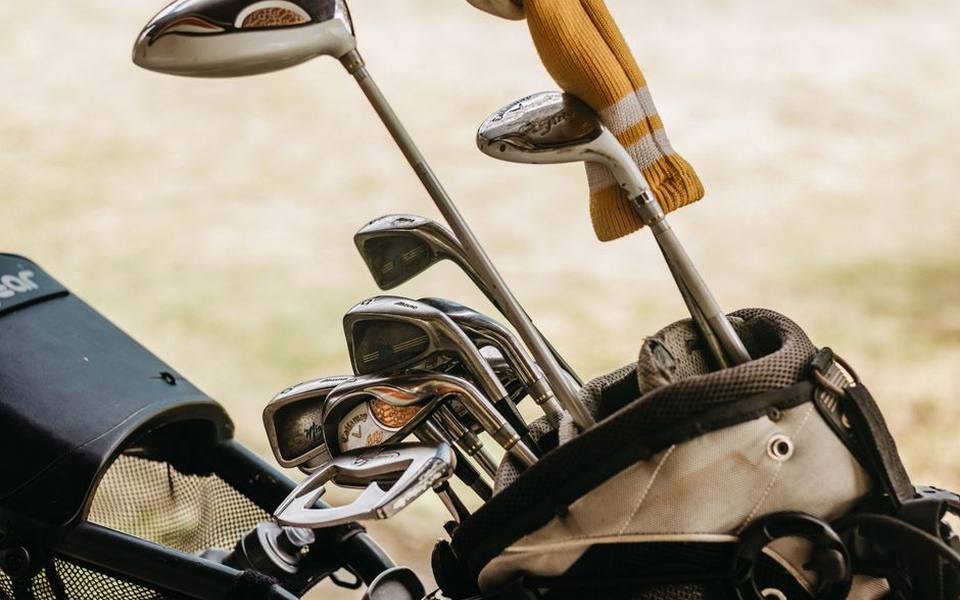
When browsing dedicated factory platforms for Callaway pre owned irons or comparable models from other major manufacturers, check whether the set has been built with consistent shafts throughout. Players often break a single shaft and replace it with whatever spare steel or graphite rod was available at the time. A mixed set with varying flex profiles, shaft weights, or tip stiffness will produce erratic dispersion patterns that make distance control virtually impossible on the course.
Always confirm standard lie angles and lengths before purchasing an iron set from a private party. If a taller or shorter golfer previously bent the hosels two degrees upright or flat, you will need to pay a builder to bend them back to standard specs. Testing clubs on a lie board or scheduling a quick consultation through club fitting services ensures the irons match your posture and wrist-to-floor measurements.
Addressing Gaps with Hybrid Irons and Long Relief
Many recreational players struggle to launch traditional long irons high enough to hold firm greens, prompting a massive surge in used hybrid irons for sale. These hollow-body, wide-sole designs blend the forgiving launch dynamics of woods with the precision and turf interaction of conventional cavity-back irons. When inspecting used utility irons and hybrids, focus on the sole weighting and check for rattling sounds inside the head, which can indicate loose internal glue or dislodged weights.
Shaft selection becomes doubly critical with hybrid iron configurations. Because these clubs are designed to replace standard three, four, and five irons, the shaft flex and weight must transition smoothly from your standard iron set. If your irons feature ninety-five-gram regular steel shafts, dropping into a sixty-gram stiff graphite hybrid shaft can disrupt your transition timing, leading to pushed blocks or inconsistent heel strikes.
Take potential hybrid purchases out to hitting facilities to verify that your distance spacing remains logical. Utilizing ranges equipped with ball-tracking technology provides instant feedback on carry distances, descent angles, and ball speed. If your four-hybrid carries the exact same distance as your five-wood, adjusting your setup or loft sleeve becomes necessary to avoid redundant clubs in your golf bag.
Inspecting Wedges and Short-Game Packages
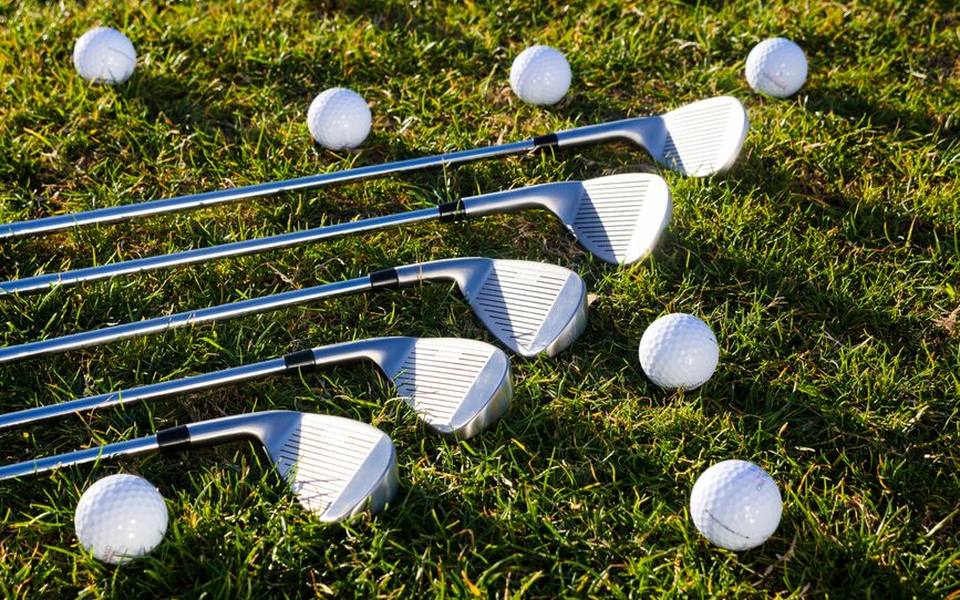
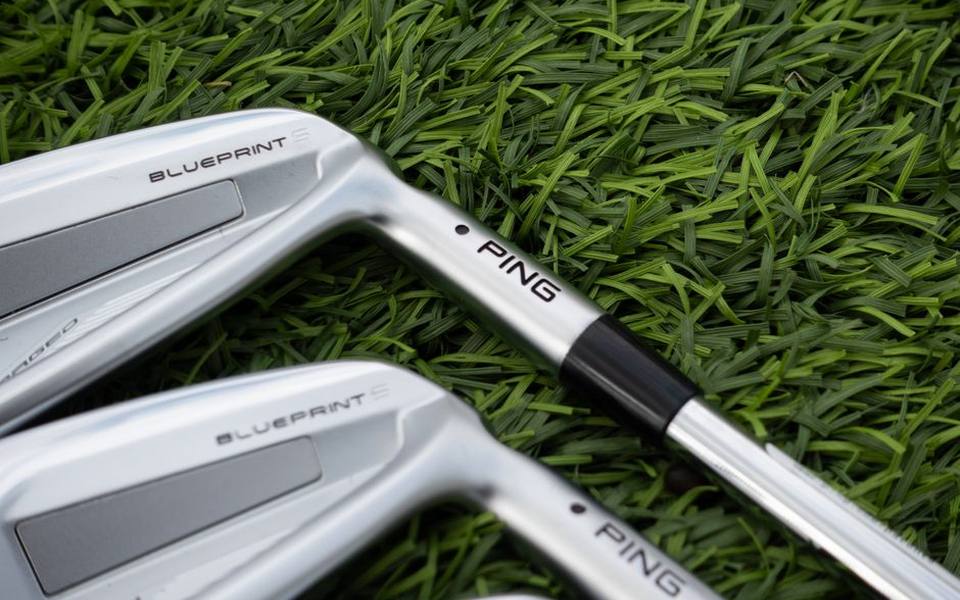
Wedges suffer faster physical degradation than any other club because they regularly interact with abrasive bunker sand, dense rough, and wet dirt. When browsing golf wedges for sale, approach heavily worn models with caution. While a worn driver head still produces decent distance, a wedge with worn micro-milling and rounded groove edges can lose half of its stopping power, causing approach shots to release uncontrollably past the pin.

If you are replacing your entire scoring array, finding a complete golf wedge set for sale offers clear advantages in cosmetic appearance and gap progression. Matched sets typically follow consistent sole grinds and loft spacing, such as a traditional gap wedge, sand wedge, and lob wedge setup spaced four to six degrees apart. Ensure the shafts in the wedge set complement your iron shafts, as wedges with overly stiff shafts can feel harsh on delicate half-swings.
Securing a standalone sand wedge for sale requires matching the bounce angle to your home course conditions and personal swing delivery. Golfers who steepen aggressively into the ball or play from fluffy, deep bunkers require high bounce to keep the clubhead from digging into the turf. Conversely, players with shallow sweeper swings or those facing hardpan turf and firm sand need lower bounce profiles to slide cleanly beneath the golf ball.
Decoding Factory Pre-Owned Condition Scales
Major manufacturer trade-in platforms categorize used inventory using standardized condition brackets, giving buyers insight into expected wear before shipment. When ordering from the official Callaway preowned website, for instance, equipment generally falls into categories like like-new, very good, good, and average. Understanding these definitions prevents disappointment and helps you identify where cosmetic flaws yield substantial financial discounts without compromising structural playability.
Choosing clubs listed in Callaway preowned good condition represents the balance point for most budget-conscious golfers. Gear in this category typically shows normal cosmetic wear from one or two seasons of regular play, including minor sole scratching, light bag chatter on forged irons, and small paint chips along the perimeter that remain invisible at address. The face grooves and structural integrity remain completely sound, meaning the club performs identically to a brand-new showroom piece.
Conversely, selecting Callaway preowned average condition models yields the steepest discounts, but involves noticeable aesthetic imperfections. Expect moderate to heavy cosmetic blemishes, such as sky marks along the paintline, visible groove wear in the scoring irons, and worn grip rubber. These clubs suit players seeking functional value on a tight budget, provided you are comfortable with cosmetic flaws and prepared to handle minor maintenance chores like grip replacement.
Capitalizing on Factory Sales and Clearance Events
Manufacturer warehouse portals and retailer closeouts run cyclical promotions throughout the golf calendar. Watching for a major Callaway pre owned sale or seasonal inventory clearance can yield an extra fifteen to thirty percent off already discounted certified equipment. These sales typically coincide with major professional championships in the spring, late summer inventory clearances, and holiday promotions between November and January.
To maximize value during certified clearance events, sign up for store alerts and monitor warehouse replenishment cycles. Factory outlets frequently offer enhanced trade-in bonuses during these promotional windows, allowing you to offset purchase costs by trading in older clubs lying dormant in your garage. Verify return policies before buying; reputable outlets usually provide a thirty-day trial period or a limited buyback guarantee if the club fails to meet expectations.
Keep shipping expenses and state sales taxes in mind when calculating the final purchase total. Some platforms offer free shipping thresholds or bundle discounts when you purchase an iron set alongside a fairway wood or putter. Factor in all associated costs so you can accurately compare certified online outlet pricing against what local pro shops and private sellers are charging for equivalent equipment.
Navigating Manufacturer Demo Days at the Range
Demo days hosted at practice facilities present the ideal environment for testing the latest gear alongside previous-generation models without purchase pressure. Manufacturer technical representatives bring extensive fitting carts stocked with diverse shaft weights, flexes, and clubhead profiles. You can test multiple combinations back to back on open turf, observing real ball flight rather than relying solely on indoor simulator calculations.
Arrive early at demo events to avoid waiting for popular driver heads and shaft flexes. Bring your current gamer clubs so you can establish a direct comparison against the demo gear under identical weather and wind conditions. Pay close attention to strike consistency, launch height, and how the club feels in your hands during transition, taking detailed notes on the specific shaft models that produce your tightest dispersion patterns.
Toward the conclusion of seasonal demo tours or late autumn demo days, hosts and participating pro shops often sell off their demo inventory at substantial markdowns. These clubs have only seen range balls and occasional customer testing, making them functionally similar to near-new equipment at secondary market prices. Ask the on-site sales staff if the demo pieces will be available for purchase at the end of the event.
Validating Second-Hand Gear in Practice Settings
Once you take possession of a pre-owned club, take it straight to a practice range to verify that its physical performance matches your expectations. Hitting off genuine turf provides immediate tactile feedback about turf interaction and bounce compatibility that hitting off artificial mats cannot replicate. Pay attention to shot dispersion patterns and verify whether the ball flight aligns with your typical swing tendencies.
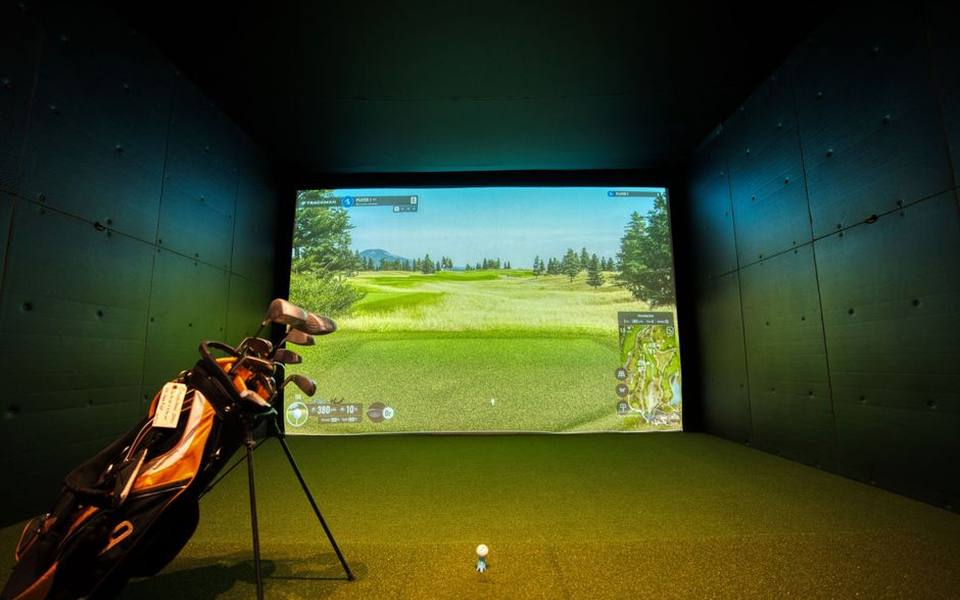
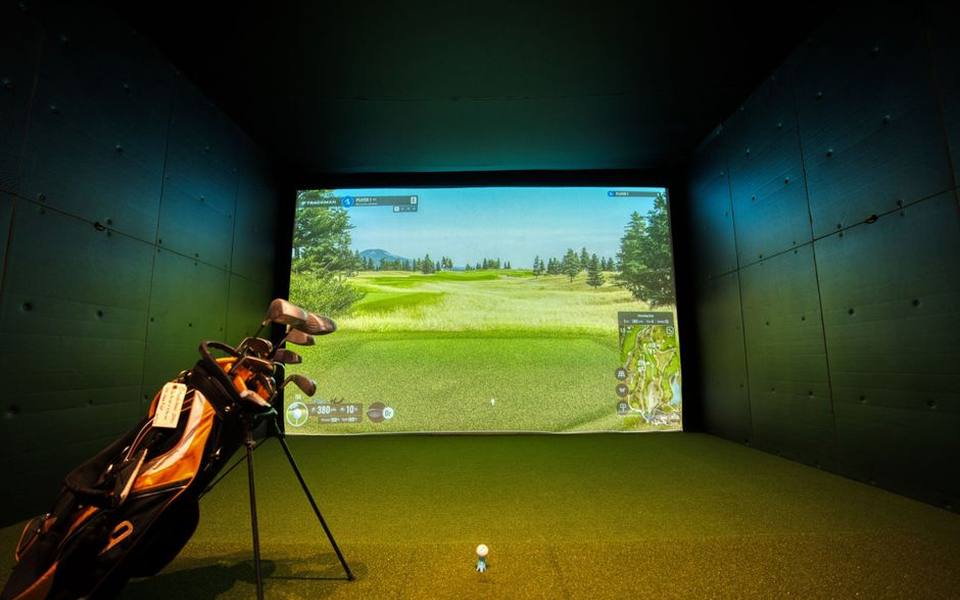
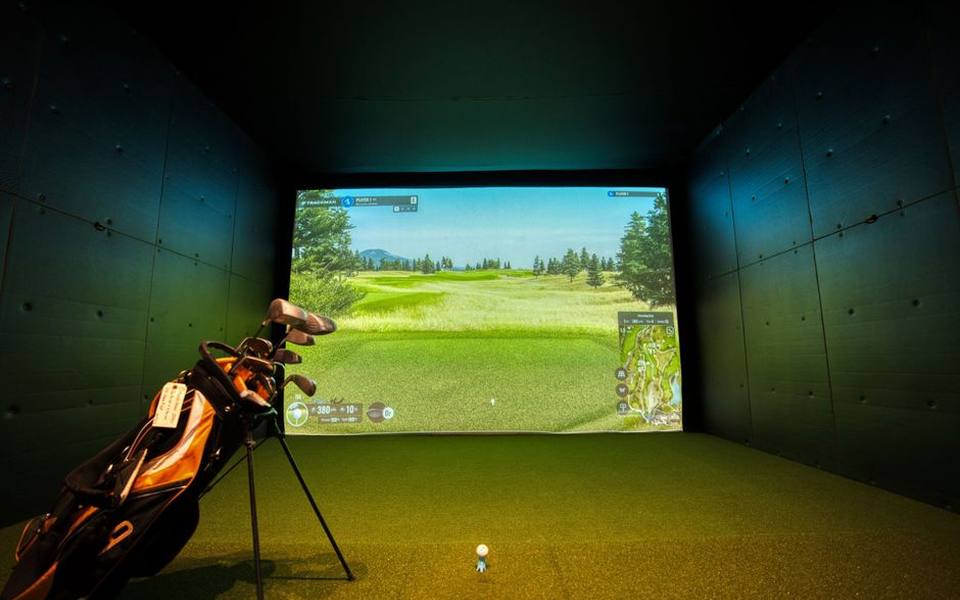
If inclement weather prevents outdoor practice, booking time in indoor simulator bays provides a controlled environment to capture critical impact data. Measuring spin rates, ball velocity, and apex height helps determine whether the used club fits your swing dynamics or requires minor loft adjustments. If the data reveals unexpected performance drops, you can return or exchange the club within the retailer's grace window.
Never hesitate to have a clubmaker measure the swing weight, total weight, and actual loft on used clubs. Factory tolerances can vary by a degree in either direction, and previous owners may have modified the clubs internally with lead tape or tip weights. Knowing the exact specifications of your gear eliminates doubt and ensures your bag remains consistent from top to bottom.
Refurbishing, Regripping, and Final Bag Assembly
Most pre-owned clubs arrive with worn, slick, or improperly sized grips that undermine your control over the clubface at impact. Arranging for professional regripping is an inexpensive maintenance step that instantly restores a brand-new feel to second-hand equipment. Selecting the proper grip diameter and texture stabilizes your hand pressure, leading to cleaner contact and more consistent release through the ball.
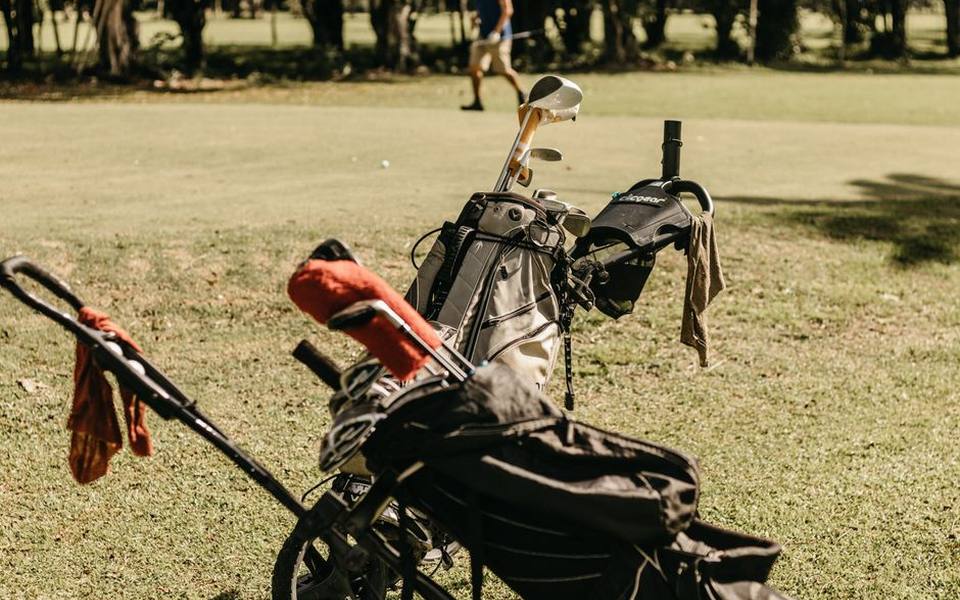
Take time to clean the clubheads thoroughly using warm water, mild soap, and a soft nylon brush. Avoid harsh wire brushes or abrasive chemical cleaners on carbon-composite crowns and coated wedge finishes, as these can strip protective coatings or create micro-scratches. Clean out the hosel screw threads on adjustable woods and apply a tiny dab of lightweight lubricant to prevent corrosion and seizing.
Finally, organize your full bag setup to ensure smooth distance transitions between your longest iron, utility hybrids, and fairway metals. Carrying fourteen clubs that serve specific yardages prevents awkward half-swings and reduces on-course hesitation. Investing in pre-owned equipment allows you to assemble a high-performing bag that supports your game while keeping overall equipment costs fully under control.
Published 2026-09-21 · reviewed with each rebuild, last September 2026.
Find driving ranges near you
The directory lists 3,693 driving ranges by state and city — pick your state or use the “Near me” button in the header.
More guides
-
 Buying
Realistic Costs and Equipment Needed for a Home Golf Simulator
-
 Service
Golf Club Maintenance: Regripping and Reshafting Guide
-
 Money
MoneyGolf Lessons Cost and Beginner Guide: What to Expect and How to Budget
-
 Buying
Golf Club Fitting Cost and Selection Guide
-
 Buying
A Practical Guide to Buying, Selling, and Trading In Used Golf Clubs
-
 Money
MoneyDriving Range Costs, Practice Routines, and Range Etiquette
-
 Service
Fixing Topped Shots and Improving Ball Striking on the Range
-
 Buying
Best Golf Launch Monitors Buying Guide: Space, Tech, and Budget
-
 Buying
The Complete Guide to Buying Used Golf Clubs and Pre-Owned Equipment
-
 Buying
How to Choose the Best Local Golf Shop and Pro Shop Services
-
 Owning
Miniature Golf and Putt-Putt Guide: Rules, Courses, and Family Fun
-
 Service
Complete Guide to Custom Golf Fitting and Shaft Selection
-
 Buying
Complete Guide to Buying and Maintaining Golf Shoes and Cleats
-
 Owning
Designing and Installing Indoor and Backyard Putting Greens
-
 Service
Golf Swing Analytics, Speed Training, and Shot Tracking Systems
-
 Buying
Golf Practice Nets, Driving Mats, and Backyard Hitting Setups
-
 Owning
Custom Golf Gear Personalization: Stampers, Bags, and Embroidery
-
 Buying
Selecting and Setting Up Home Golf Simulators and Launch Monitors
-
 Service
Choosing Golf Academies, Lessons, and Coaching Programs
-
 Buying
Custom Golf Club Fitting: Shafts, Clubheads, and Specifications
-
 Service
Entertainment Driving Ranges: Planning Group Outings, Corporate Events, and Bachelor Parties
-
 Service
Mini Golf, Footgolf, and Indoor Golf: Complete Venue Guide and Directory
-
 Owning
Tournaments, Scoring Tech, and Gear Upkeep: The Modern Golfer's Guide
-
 Buying
Golf Equipment and Club Fitting Guide: Starter Sets, Drivers, and Custom Builds
-
 Buying
Finding the Right Golf Pro Shop and Equipment Retailer
-
 Owning
Designing and Hosting Mini Golf Events: Indoor Party Venues and Practice Games
-
 Buying
Indoor Golf Practice and Launch Monitors: How to Build Your Studio
-
 Buying
Golf Laser Rangefinders Buyer's Guide: Features, Accuracy, and Value
-
 Owning
Golf Club Groove Maintenance: Tools, Techniques, and Equipment Care
-
 Buying
Commercial Golf Green Mowers: Maintenance, Selection, and Buying Guide
-
 Owning
Best Mobile Golf Simulators and Games for Practice and Play
-
 Owning
Fixing Heavy Contact, Managing Distance, and Choosing Cold-Weather Gear
-
 Buying
Club Car Golf Carts: The Practical Guide to Buying, Inspecting, and Customizing
-
 Owning
Complete Guide to Putt-Putt Games: History, Titles, Platforms, and Walkthroughs
-
 Service
Top Sports Bars and Lounges: How to Pick the Best Game-Day Spots in NYC and Florida
-
 Safety
24-Hour Gun and Shooting Ranges: Availability, Rules, and Finding Round-the-Clock Facilities
-
 Owning
Golf Green Mobile Estates: Guide to Golf Community Living and Amenities