Finding True Value During Seasonal Golf Footwear Sales
Golf footwear represents the literal foundation of an effective swing, yet finding the right pair at an approachable price often feels confusing. Retailers consistently rotate their stock at predictable points throughout the calendar year. Clearance events typically surge in late autumn when northern courses close, as well as in mid-winter when manufacturers announce updated models ahead of the spring season. Savvy players often look for previous-generation releases, which usually drop noticeably in price without sacrificing modern structural technology or waterproof protection.
When browsing discounted racks or online clearance outlets, prioritize construction quality over aesthetic trends. A discounted pair of leather or technical synthetic shoes should offer stable lateral walls, dependable waterproofing warranties, and a durable outsole. Inexpensive models built entirely from thin mesh or unreinforced foam may look enticing on sale, but they frequently break down after a single humid season of routine walking or heavy practice sessions.
It is also important to scrutinize return policies when shopping closeouts. Many deep-discount clearance sales mark footwear as final sale, which creates real risk if the interior volume or arch placement does not match your foot shape. Look for retailers that permit exchanges or store credit, allowing you to test the fit indoors on clean carpet before committing to an eighteen-hole round on damp turf.
Choosing Between Spiked Cleats and Spikeless Hybrids
The choice between replaceable cleats and molded spikeless outsoles fundamentally shapes how long your footwear lasts and where you can wear it. Spiked shoes feature removable plastic receptacles distributed across high-pressure pivot zones of the sole. They provide unmatched traction on wet fairways, steep sidehill lies, and early-morning dew. If you regularly walk hilly courses or play through variable weather, replaceable spikes offer long-term value because you can easily restore full grip simply by swapping worn prongs for fresh cleats.

Spikeless shoes utilize integrated rubber or polyurethane traction nubs molded directly into the outsole. These hybrid designs have gained massive popularity because they walk comfortably on concrete, transition easily from the parking lot to the clubhouse, and feel remarkably like athletic sneakers. However, once those molded traction nubs wear down from repetitive abrasion on pavement, the entire shoe loses its bite on the golf course, requiring a full replacement rather than an inexpensive hardware refresh.
Your practice habits should also influence this decision. Spending significant time hitting off firm artificial turf at covered driving ranges tends to chew up soft plastic spikes much faster than natural grass does. Many dedicated golfers maintain two distinct pairs: a spikeless hybrid dedicated to range mats, casual practice, and dry summer afternoons, alongside a heavy-duty spiked shoe reserved for tournament rounds and wet morning play.
Navigating Men's Sizing and Clearance Selections
Shopping for men's golf footwear on sale requires paying close attention to width variations and footbed depth. Men generate considerable torque through their trailing foot during the downswing, which places immense stress on the lateral boundary of the shoe. Standard medium widths often pinch the metatarsal heads during dynamic weight shifts, while overly wide cuts can allow the heel to slip upward, leading to painful friction blisters during a four-mile walk.
Discount listings often feature an overabundance of extreme sizes, such as very narrow or unusually large cuts that did not sell during peak season. Before jumping on a heavily discounted price tag, confirm that the model features adequate midfoot support and torsional rigidity. You can quickly test torsional stiffness by grabbing the heel in one hand and the toe in the other; a supportive shoe resists aggressive twisting, whereas an unsupportive shoe folds easily in the middle.
Consider also the internal volume required for custom orthotics or aftermarket insoles. If you rely on specialized arch support, factory footbeds must be easily removable without tearing the interior stitching. Many discounted performance models feature glued-in liners that are difficult to extract cleanly, which can severely compromise the fit once you insert your own corrective orthotics.
Key Considerations for Women's Footwear on Discount
Women's golf footwear features distinct anatomical shaping that differs significantly from simply downsizing a men's shoe. Properly designed women's models incorporate a narrower heel cup relative to the forefoot, accommodating a natural female foot taper that prevents heel lifting throughout the swing. Clearance racks often carry discounted women's models that sacrifice these ergonomic nuances in favor of lightweight styling, so checking the interior structure remains essential.
Arch placement and instep volume also require careful inspection during discount hunting. Women generally exhibit slightly higher instep profiles and greater joint flexibility through the midfoot. If a discounted shoe lacks substantial medial arch reinforcement, the foot may overpronate during the backswing, altering knee alignment and bleeding power from the kinematic chain. Look for designs with firm medial outsoles that cradle the arch without creating pressure points.
Style and color availability frequently dictate which women's models make it to the clearance rack. Flashy seasonal patterns or bright pastels often get marked down first, while neutral white, black, or navy colorways sell out at full price. If you find neutral pairs on clearance, inspect the waterproof membrane ratings carefully. A discounted shoe that looks great but lets water seep in through the tongue seam during morning dew offers very little practical utility.
Scoring Deals on Classic Heritage Brands
Traditional heritage footwear makers have anchored the game for decades, and their product lines regularly appear on seasonal promotional sales. Traditional leather models from heritage brands like FootJoy are celebrated for their classic saddle silhouettes, premium full-grain leathers, and incredible structural longevity. When these shoes transition onto clearance racks to make room for contemporary knit or dial-laced updates, they represent some of the smartest investments available for serious players.
Classic leather uppers naturally stretch and mold to the unique contours of your feet over several rounds, creating a customized fit that modern synthetics rarely replicate. When browsing discounted heritage models, verify whether the upper utilizes genuine calfskin or treated synthetic leather. Premium leather requires a short break-in period, but it breathes remarkably well in warm weather and can last for many seasons if conditioned regularly with leather balm.
Another benefit of established heritage shoes is their standard hardware architecture. Brands with decades of tour history almost always utilize industry-standard cleat receptacles, making aftermarket spike replacement simple and reliable. Securing a heritage pair at thirty to fifty percent below original list price gives you a tour-proven platform whose traction can be refreshed indefinitely for a fraction of the cost of a new shoe.
Premium Spikeless Comfort and European Street Hybrids
European hybrid designs have fundamentally reshaped modern footwear expectations by merging athletic street styling with golf-specific stability. Brands like Ecco popularized this category by pairing premium yak and calf leathers with direct-injection polyurethane midsoles. When these high-end spikeless shoes enter clearance channels, they offer an exceptional opportunity to acquire premium walking comfort that easily bridges the gap between the fairway and everyday wear.
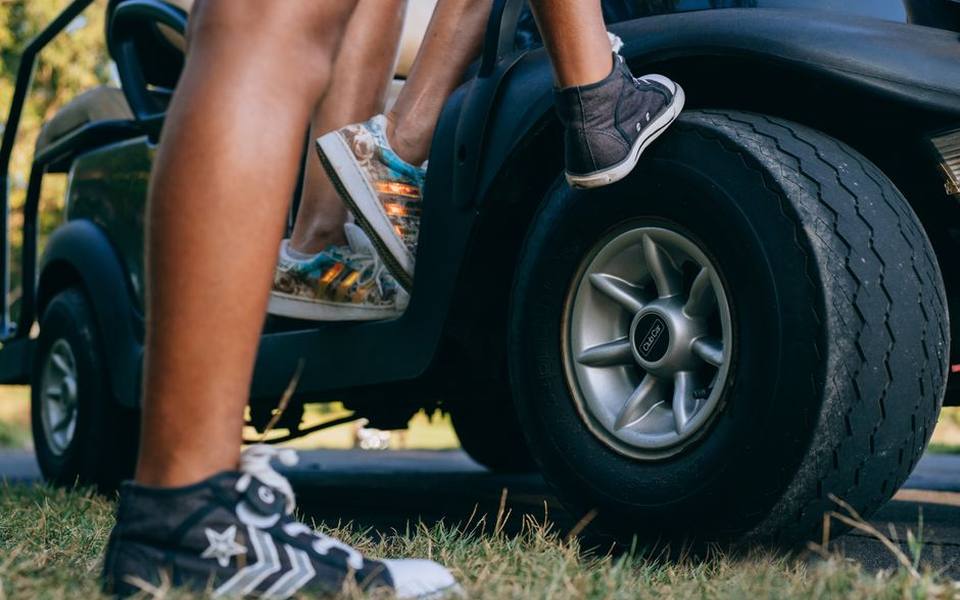
The defining strength of European street-style hybrids lies in their anatomical footbeds and durable thermoplastic polyurethane outsoles. Unlike cheaper molded rubbers that grind flat quickly, high-grade TPU traction bars maintain their biting edges across dozens of walking rounds. Practicing in comfort at indoor golf simulators or synthetic turf bays is particularly effortless in hybrids, as they provide flat, comfortable contact without catching aggressively on simulator screens or rubber flooring.
While discounted European hybrids command higher clearance price points than entry-level synthetic shoes, their longevity often justifies the difference. The seamless bond created by direct-injection midsoles prevents the sole separation issues common in glued footwear. If you routinely walk eighteen holes and value understated leather luxury alongside out-of-the-box comfort, monitoring sales for these premium hybrids is well worth your patience.
Pro Shop Displays Versus Online Closeouts
Golfers often debate whether to purchase footwear through on-site golf pro shops or through massive online liquidation warehouses. Online clearance sites naturally offer the widest selection of past-season colorways and discontinued inventory, frequently featuring steep price cuts that local shops struggle to match. However, purchasing online introduces sizing uncertainty, potential return shipping fees, and the inability to inspect the shoe's flex pattern before spending your money.
Local course pro shops and practice facility retailers provide an irreplaceable advantage: the ability to try shoes on with your actual playing socks and walk across firm surfaces. Testing footwear in person ensures your toes have ample wiggle room and your heel locks firmly into place. Pro shops also occasionally run aggressive clearance sales at the end of their regional golf seasons to liquidate leftover inventory, offering local deals that rival internet discounters.
Furthermore, supporting a local shop connects you with professionals who understand regional course conditions. If you visit facilities for custom club fitting or equipment tune-ups, shop staff can recommend footwear models suited to local clay soils, sandy turf, or damp conditions. Establishing a relationship with your local retailer can also yield heads-up notifications when manufacturer demo pairs or seasonal closeouts arrive.
Identifying Cleat Fastening Systems and Replacement Packs
Replacing worn spikes requires understanding that cleats are not universal. Over the years, manufacturers have developed several distinct receptacle locking systems designed to lower shoe profile and enhance ground feel. Before ordering replacement spikes, you must identify the specific locking mechanism built into your shoe's outsole. Common fastener standards include Fast Twist 3.0, Tour Lock, Slim-Lok, Tri-LOK, and the PINS system.
The Fast Twist and Tour Lock families are exceptionally common across major brands like FootJoy and other tour-grade shoes. Fast Twist 3.0 cleats feature a low-profile thread that locks securely with a quarter-turn, preventing the cleat from backing out during aggressive swings while keeping the foot closer to the turf. The PINS system utilizes a shallower socket profile often seen in low-drop athletic golf shoes, requiring specialized prongs that will not fit into older threaded housings.
Replacement cleat packages typically contain sixteen to twenty individual spikes, which is enough to fully outfit one pair of shoes with a couple of spares left over. When shopping for replacement cleats, always cross-reference your shoe model and production year against manufacturer compatibility charts. Installing the wrong thread standard will either strip the internal socket or result in lost cleats on the very first hole of play.
Step-by-Step Cleat Replacement for Popular Models
Swapping out cleats on popular models like FootJoy or similar performance shoes is a straightforward maintenance task that every golfer should master. Begin by gathering a two-prong cleat wrench, a stiff nylon cleaning brush, and a small dish of warm, soapy water. If your existing spikes have been in place for more than a year, dried mud, granular sand, and fertilizer residues have likely packed into the locking channels, making manual removal difficult.
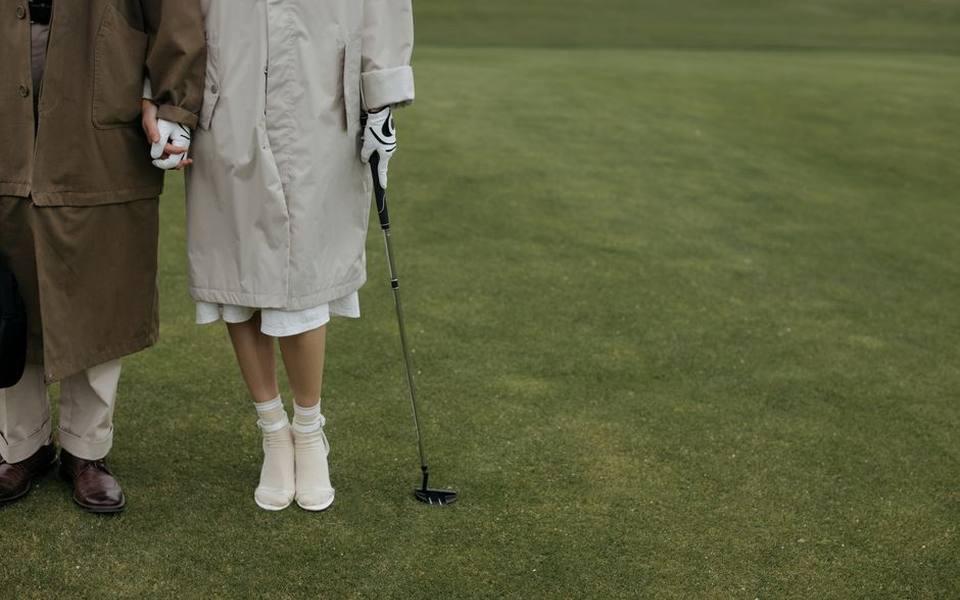
First, use your brush and soapy water to clear all packed debris from the wrench holes in the worn cleat. Insert the pins of your cleat wrench firmly into the two holes on the spike face, ensuring they seat completely to the bottom to avoid rounding out the plastic. Apply firm downward pressure toward the sole while turning counterclockwise. If a stubborn cleat refuses to budge, soak the bottom of the shoe in a shallow tray of warm water for ten minutes to soften mineralized dirt before trying again.
Once the old spike pops free, thoroughly scrub the internal receptacle threads with an old toothbrush. Grit left inside the socket will prevent the new cleat from seating flush against the outsole. Take your new spike, align the male threads squarely into the socket, and turn clockwise by hand until it catches. Finish by using the wrench to turn the cleat until you feel two distinct mechanical clicks, confirming that the locking teeth have fully engaged.
Cleaning, Waterproofing, and Long-Term Shoe Care
Proper routine maintenance dramatically extends the life of golf footwear, protecting the investment you made whether you paid full retail or clearance prices. After every round or visit to public practice facilities, wipe away damp turf clippings, mud, and sand using a damp microfiber cloth. Allowing wet grass and soil to dry on leather uppers draws out natural tanning oils, accelerating cracking along the forefoot flex creases.
Never dry wet golf shoes near direct heat sources such as radiators, heating vents, or fireplaces. Intense direct heat shrinks natural leathers, warps EVA foam midsoles, and degrades the specialized adhesives holding the outsole together. Instead, remove the insoles and insert raw, unvarnished cedar shoe trees into the shoes immediately after playing. Cedar naturally absorbs moisture from the interior lining, neutralizes odor-causing bacteria, and holds the shape of the upper as it dries.
Synthetic and mesh shoes benefit from occasional spot cleaning with mild laundry detergent and a soft brush, followed by an air dry at room temperature. For leather pairs, apply a quality leather conditioner every couple of months to preserve suppleness and water resistance. If you visit a shop for periodic club regripping, ask the staff if they carry specialized waterproofing sprays formulated for technical footwear fabrics.
Published 2026-09-21 · reviewed with each rebuild, last September 2026.
Find driving ranges near you
The directory lists 3,693 driving ranges by state and city — pick your state or use the “Near me” button in the header.
More guides
-
 Buying
Realistic Costs and Equipment Needed for a Home Golf Simulator
-
 Service
Golf Club Maintenance: Regripping and Reshafting Guide
-
 Money
MoneyGolf Lessons Cost and Beginner Guide: What to Expect and How to Budget
-
 Buying
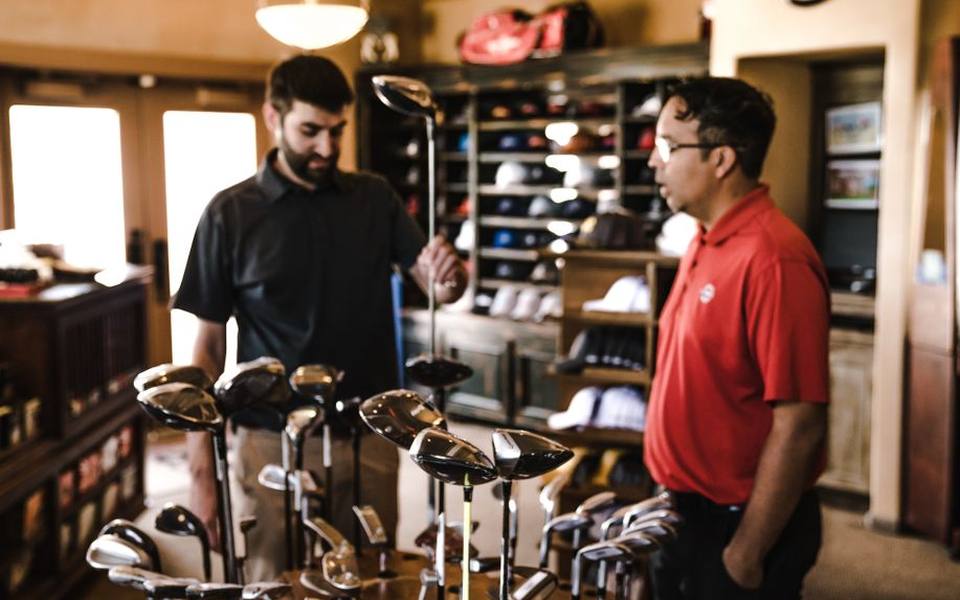
Golf Club Fitting Cost and Selection Guide
-
 Buying
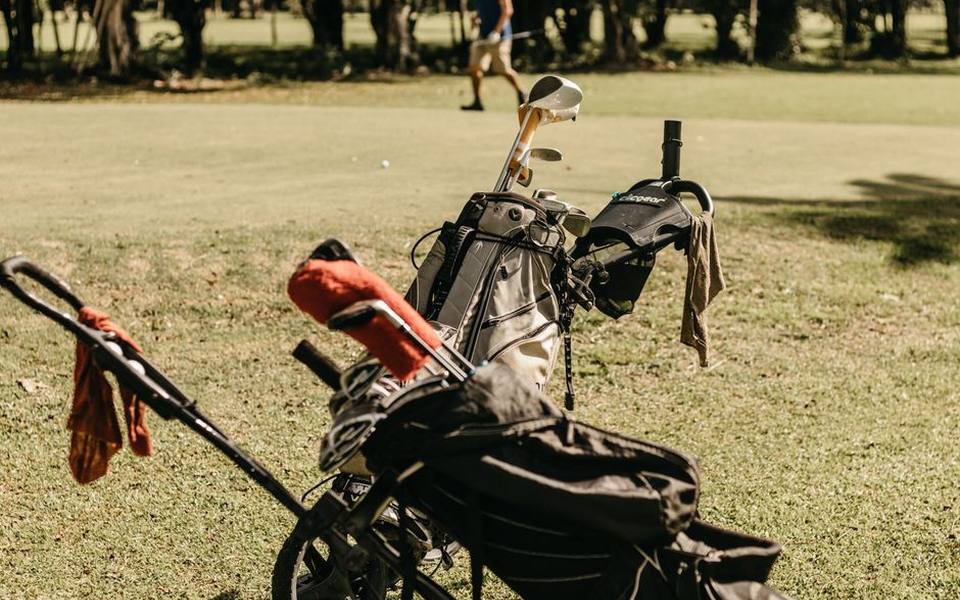
A Practical Guide to Buying, Selling, and Trading In Used Golf Clubs
-
 Money
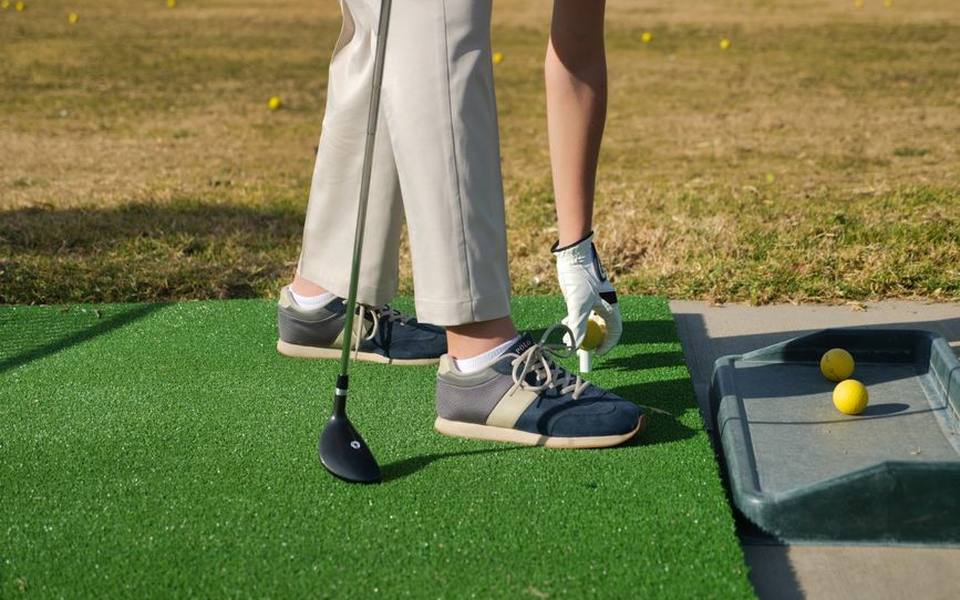
MoneyDriving Range Costs, Practice Routines, and Range Etiquette
-
 Service
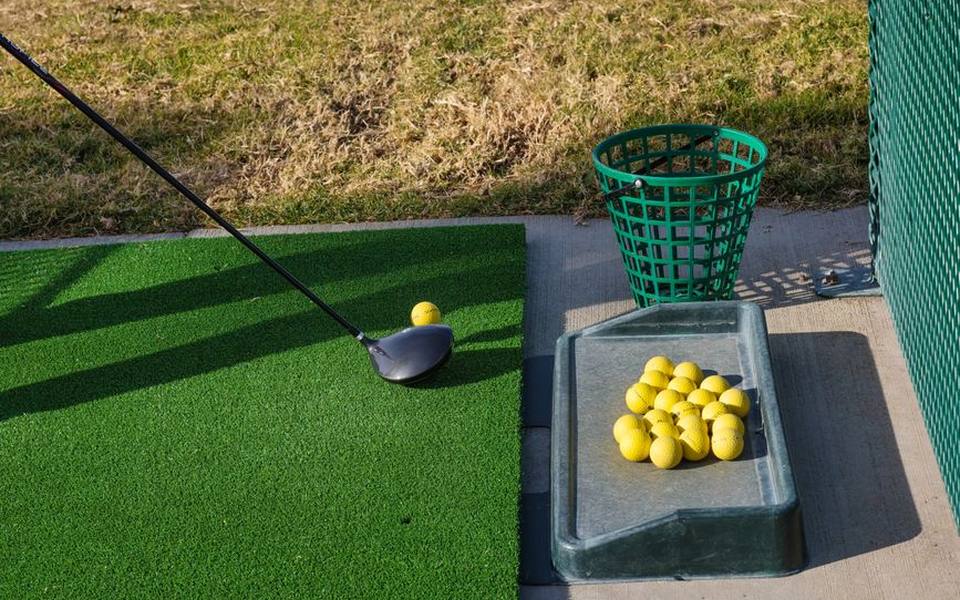
Fixing Topped Shots and Improving Ball Striking on the Range
-
 Buying
Best Golf Launch Monitors Buying Guide: Space, Tech, and Budget
-
 Buying
The Complete Guide to Buying Used Golf Clubs and Pre-Owned Equipment
-
 Buying
How to Choose the Best Local Golf Shop and Pro Shop Services
-
 Owning
Miniature Golf and Putt-Putt Guide: Rules, Courses, and Family Fun
-
 Service
Complete Guide to Custom Golf Fitting and Shaft Selection
-
 Owning
Designing and Installing Indoor and Backyard Putting Greens
-
 Service
Golf Swing Analytics, Speed Training, and Shot Tracking Systems
-
 Buying
Golf Practice Nets, Driving Mats, and Backyard Hitting Setups
-
 Buying
How to Buy Used Golf Clubs and Get the Best Demo Day Deals
-
 Owning
Custom Golf Gear Personalization: Stampers, Bags, and Embroidery
-
 Buying
Selecting and Setting Up Home Golf Simulators and Launch Monitors
-
 Service
Choosing Golf Academies, Lessons, and Coaching Programs
-
 Buying
Custom Golf Club Fitting: Shafts, Clubheads, and Specifications
-
 Service
Entertainment Driving Ranges: Planning Group Outings, Corporate Events, and Bachelor Parties
-
 Service
Mini Golf, Footgolf, and Indoor Golf: Complete Venue Guide and Directory
-
 Owning
Tournaments, Scoring Tech, and Gear Upkeep: The Modern Golfer's Guide
-
 Buying
Golf Equipment and Club Fitting Guide: Starter Sets, Drivers, and Custom Builds
-
 Buying
Finding the Right Golf Pro Shop and Equipment Retailer
-
 Owning
Designing and Hosting Mini Golf Events: Indoor Party Venues and Practice Games
-
 Buying
Indoor Golf Practice and Launch Monitors: How to Build Your Studio
-
 Buying
Golf Laser Rangefinders Buyer's Guide: Features, Accuracy, and Value
-
 Owning
Golf Club Groove Maintenance: Tools, Techniques, and Equipment Care
-
 Buying
Commercial Golf Green Mowers: Maintenance, Selection, and Buying Guide
-
 Owning
Best Mobile Golf Simulators and Games for Practice and Play
-
 Owning
Fixing Heavy Contact, Managing Distance, and Choosing Cold-Weather Gear
-
 Buying
Club Car Golf Carts: The Practical Guide to Buying, Inspecting, and Customizing
-
 Owning
Complete Guide to Putt-Putt Games: History, Titles, Platforms, and Walkthroughs
-
 Service
Top Sports Bars and Lounges: How to Pick the Best Game-Day Spots in NYC and Florida
-
 Safety
24-Hour Gun and Shooting Ranges: Availability, Rules, and Finding Round-the-Clock Facilities
-
 Owning
Golf Green Mobile Estates: Guide to Golf Community Living and Amenities