What It Takes to Build a Reliable Hitting Station at Home
Setting up a dedicated golf practice net at home requires balancing available space, structural safety, and turf quality. While hitting balls into an open field lets you watch the entire ball flight, a well-engineered home setup allows you to groove swing mechanics, work on contact consistency, and log daily repetitions without leaving your driveway or yard. To do this safely, you need three core elements: a high-impact absorption barrier, an impact-cushioned stance surface, and sufficient side containment for mishits.
The minimum footprint depends heavily on your swing arc and club choice. Hitting a full golf drive requires substantial clearance in front, behind, and above the golfer. In most home environments, you need at least nine to ten feet of vertical ceiling clearance and roughly ten to twelve feet of depth to accommodate both club follow-through and safe ball deceleration. Without adequate clearance, even a controlled swing risks scuffing walls, clipping rafters, or damaging high-end carbon fiber shafts against structural framing.
Choosing low-grade gear often leads to costly repairs and ruined drywall. Thin nylon mesh tears quickly under driver ball speeds, and cheap thin mats transfer heavy vibration into your elbows and wrists over repeated sessions. Investing in commercial-grade components designed to withstand repeated high-velocity strikes will protect both your physical joints and your surrounding property, ensuring your private practice zone remains functional across multiple golf seasons.
Comparing Pop-Up Nets, Rigid Frames, and Full Driving Cages
Golfers generally choose between three styles of catching structures: lightweight spring-steel pop-up nets, tubular metal-framed net assemblies, and fully enclosed outdoor driving cages. Pop-up designs offer portability and store away in compact carry bags, making them convenient for quick yard sessions or temporary patio use. However, their light netting material typically wears through faster in the primary strike zone, and high-velocity strikes can push the center of the net against fences or walls positioned directly behind it.
Tubular steel or aluminum frame systems provide a more permanent and secure golf net setup. These assemblies stretch heavy-duty nylon or polyester netting across a rigid perimeter, often incorporating integrated side wings that catch errant hosel rockets or extreme toe strikes. Because the frame holds the netting taut without relying on flexible tension rods, it handles repeated high-spin wedge shots and fast drivers with significantly less structural deformation over months of frequent use.
For those with dedicated yard space who want absolute ball containment, an outdoor golf driving cage represents the gold standard. Cages feature four-corner steel posts wrapped in heavy netting on all three sides and across the roof, creating an enclosed hitting range environment. This design completely eliminates the danger of stray balls escaping over the top or slicing around the perimeter, providing peace of mind when practicing full swings near windows, vehicles, or neighboring houses.
Evaluating Range Mats and Turf Construction for Joint Health
A proper golf driving mat is just as crucial as the net catching the ball. Inexpensive artificial turf pads glued directly to thin backing offer minimal shock absorption, meaning every fat iron shot sends harsh kinetic shock through your hands, wrists, and elbows. Over time, hitting off substandard turf can cause golfer's elbow, tendon inflammation, and lower back strain that can sideline your game for weeks.
High-durability range mats use thick, dense nylon fibers bonded to an energy-dispersing foam or rubber base layer. Commercial-grade designs often incorporate a closed-cell foam pad typically measuring half an inch to an inch thick beneath the synthetic grass fibers. This cushioned layer allows the clubhead to move downward through the artificial strike zone much like real turf, absorbing the strike impact without jarring your joints or bouncing the club aggressively into the ball.
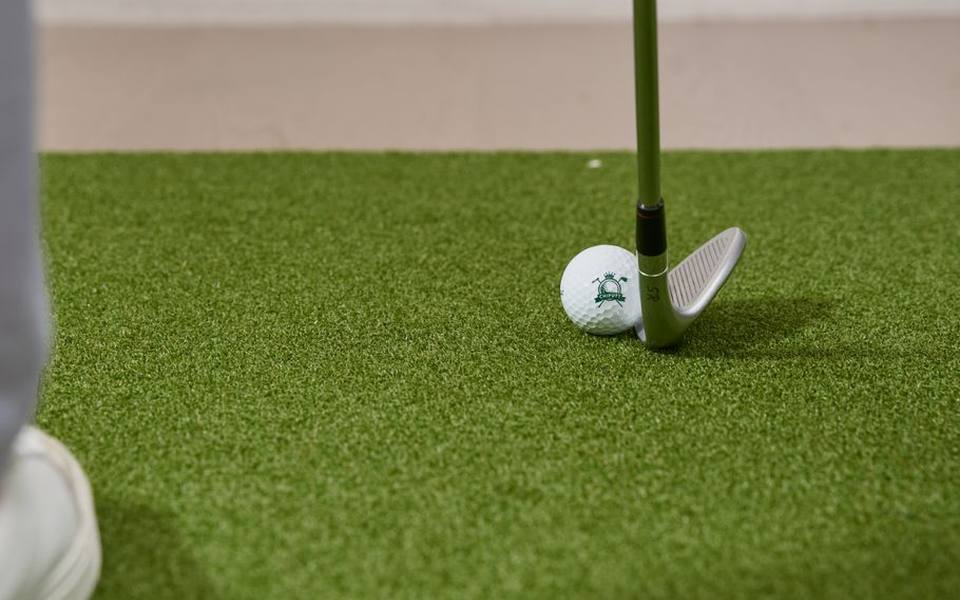
Turf fiber density also affects swing mechanics and feedback. Low-density turf tends to grab the clubhead unnaturally or let the ball sit too high, encouraging a scooped strike. High-grade synthetic turf mimics the firm feel of a well-maintained fairway, punishing fat shots by dropping ball velocity while rewarding crisp downward strikes. When choosing a mat, examine the overall weight; heavier units stay planted firmly during aggressive weight transfers instead of sliding across concrete or lawn.
Tee Systems for Artificial Mats and Driver Practice
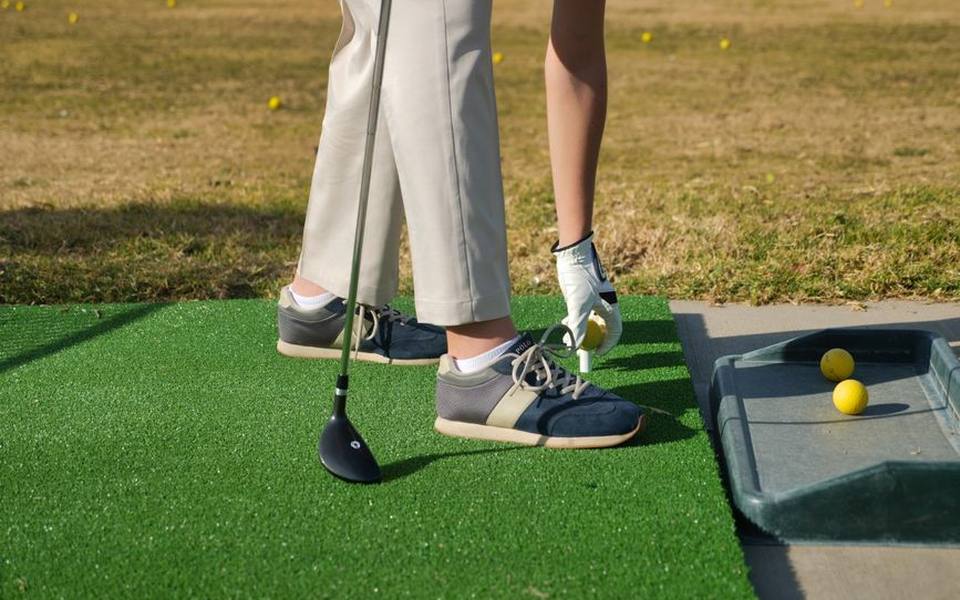
Practicing your tee shots at home requires specialized solutions because standard wooden pegs cannot penetrate dense synthetic turf backings. The most common solution involves rubber golf tees for mats, which slide through pre-punched holes in the mat's base from underneath. These rubber tubes extend upward through the turf, offering a durable, stable platform that withstands hundreds of impacts without breaking, although their fixed heights require swapping out rubber tubes to adjust ball elevation.
Modern hitting surfaces frequently support alternative golf tees for mats, such as friction-fit holders, flexible polyurethane tee claws, and adjustable polymer pegs. Friction holders sit on top of the turf fibers and anchor via lightweight cords or base plates, allowing you to use standard wooden tees cut or adjusted to your exact preferred height. This setup delivers the familiar visual profile of a normal tee box without forcing you to lift heavy mat corners to swap rubber stems.
Some premium hitting surfaces feature high-pile tufted nylon turf that accepts standard wooden tees directly anywhere on the mat surface without pre-drilled holes. These fibrous surfaces grip the peg firmly enough to support the ball while letting the tee pop free on contact just like it would in natural soil. If you frequently change between low fairway wood tees and elevated driver setups, choosing a tee-accepting mat simplifies your practice routine substantially.
Setting Up an Outdoor Practice Facility on Lawns and Patios
Building an outdoor practice facility in a backyard requires careful planning around natural terrain, weather exposure, and sun angle. Rain, ultraviolet light, and shifting winds degrade netting fibers over time unless the mesh is treated with UV inhibitors and weather-resistant polymer coatings. Unprotected nylon netting can turn brittle and lose its impact resistance after a single hot summer, raising the risk of high-speed driver breakthroughs.
Ground leveling is essential when anchoring an outdoor golf net setup on grass. Hitting from an unlevel or spongy lawn alters your spine angle and weight distribution, building bad swing habits that carry onto the course. Placing your golf driving mat on a leveled timber deck, a compacted crushed gravel base, or interlocking rubber utility tiles keeps the stance platform flat, firm, and elevated above ground moisture and muddy puddles.
Wind anchoring demands heavy-duty hardware rather than basic wire tent stakes. Even moderate wind gusts catch the expansive surface area of a large net or driving cage, turning it into a sail that can tip over and damage surrounding fencing. Heavy screw-in earth anchors, sandbag weights along the bottom frame rail, and corner guy lines tied to secure anchor points will keep the structure stable throughout sudden seasonal storms.
Planning a Safe Garage Golf Net Setup
A garage golf net setup is the most popular solution for year-round training in regions with harsh winters or extreme summer heat. However, garages present unique spatial challenges, including concrete floors, exposed overhead garage door tracks, overhead openers, and nearby vehicles or storage shelving. Before purchasing equipment, measure your ceiling height across the entire swing zone; a minimum of nine and a half feet is typically recommended for drivers, though taller golfers may require ten feet or more.
Concrete floors cannot absorb stray ricochets, meaning a thin mat placed directly on bare cement creates safety hazards and wrist discomfort. Laying dense interlocking foam sub-tiles beneath your entire hitting area cushions your joints and prevents wild, erratic bounces when low mishits strike the ground. Furthermore, consider hanging an extra layer of hanging baffle net or heavy-duty canvas behind the primary strike zone to silence the thud of impact and absorb kinetic energy inside the enclosed echo chamber.
Side and ceiling protection are mandatory when swinging indoors. Even experienced players occasionally strike the heel, push a shot sideways, or sky a driver straight upward. Hanging side barrier nets from wall-mounted aircraft cables or curtain tracks shields water heaters, drywall, and parked cars from rogue shots. Retractable ceiling track systems allow you to slide the side curtains and netting against the wall when practice finishes, restoring full garage parking utility in seconds.
Net Assembly, Hanging Slack, and Hardware Installation
Proper golf practice net installation hinges on one fundamental rule: netting must hang with generous slack rather than tight drum tension. Beginners often make the mistake of pulling mesh tight between frame posts to create a crisp, neat appearance. However, taut netting acts like a trampoline, throwing balls backward at dangerous velocities toward the golfer and placing massive shear stress on individual fiber junctions.
Allowing the lower twelve to eighteen inches of netting to drape loosely onto the ground forms a collection channel that deadens ball energy instantly. When a driven golf ball hits a loose, rippling net surface, the excess fabric billows around the sphere, absorbing its forward momentum and dropping it harmlessly to the turf at your feet. For suspended installations, using heavy metal carabiners and stainless steel marine cables ensures structural anchor points do not pull out of wall studs under dynamic strike loads.
If you plan to hit thousands of balls annually, installing an independent, replaceable target baffle directly in front of the main net will triple the lifespan of your frame assembly. Impact targets made from heavy archery mesh or ballistic nylon hang by bungees right in the center strike pattern. Because the target takes the brunt of the club's energy, you only need to replace an affordable center panel every couple of years rather than buying an entirely new net enclosure.
When Home Setups Fall Short Compared to Public Facilities
While having a home bay makes regular practice effortless, hitting solely into a net without seeing ball flight introduces clear limitations. Because the ball travels only eight to ten feet before striking mesh, you cannot visually confirm curvature, apex height, or rollout. A shot that feels flush off the face might actually be carrying a high-spin slice that would land forty yards off target on a real fairway.
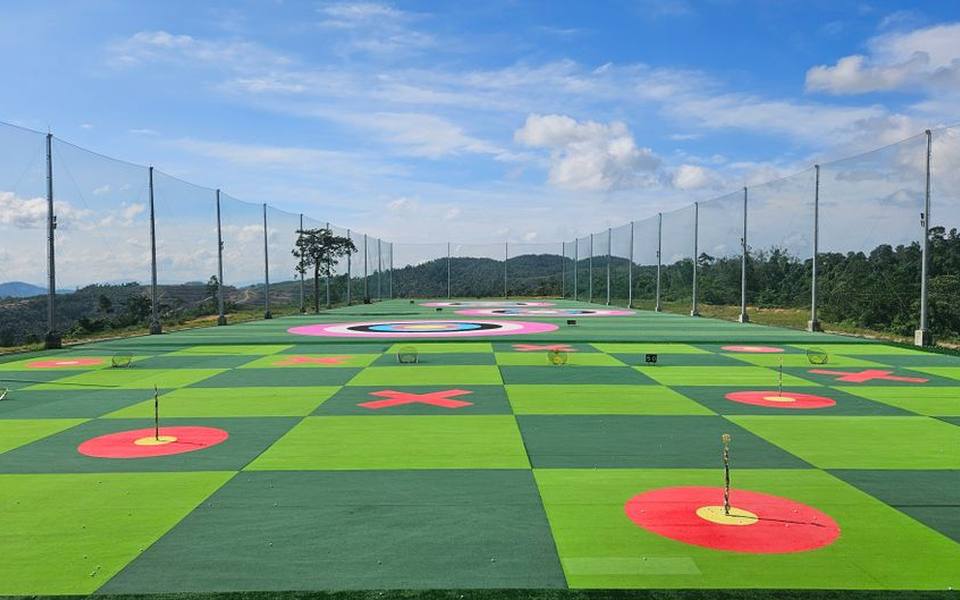
Balancing home training with visits to commercial golf driving ranges and practice facilities provides the visual flight feedback necessary to verify your swing changes. Watching the complete trajectory under real outdoor conditions reveals whether your swing path adjustments are producing honest draws or disguised pushes. Public facilities also offer varied targets at realistic yardages, helping you build genuine distance control and depth perception that hitting into a blank wall cannot replicate.
Weather extremes also dictate when to leave home gear packed away. During freezing rain or scorching summer afternoons, visiting climate-controlled covered driving ranges lets you maintain productive range work without exposing your personal equipment to premature wear or dealing with cramped indoor ceiling constraints. Combining regular home mechanical drilling with periodic outdoor target sessions produces the fastest, most reliable handicap reduction.
Integrating Ball Tracking Devices and Launch Monitors
Adding launch monitors to a home net setup transforms blind mechanical practice into an accurate analytical training studio. Portable radar and camera-based monitors track ball speed, launch angle, spin rate, and carry distance right on a smartphone or tablet screen. However, matching your physical layout to the tracking technology's specific spatial requirements is critical for receiving accurate, dependable data.
Radar-based tracking units sit behind the golfer and require a clear line of sight tracking the ball from impact out toward the netting. To capture spin and velocity accurately, radar typically requires at least seven to eight feet of distance from the unit to the ball, plus another eight to ten feet of open ball flight from the tee to the net. If your garage or yard lacks this seventeen-to-twenty-foot total runway, a camera-based photometric unit positioned directly beside the golf driving mat is usually the better choice.
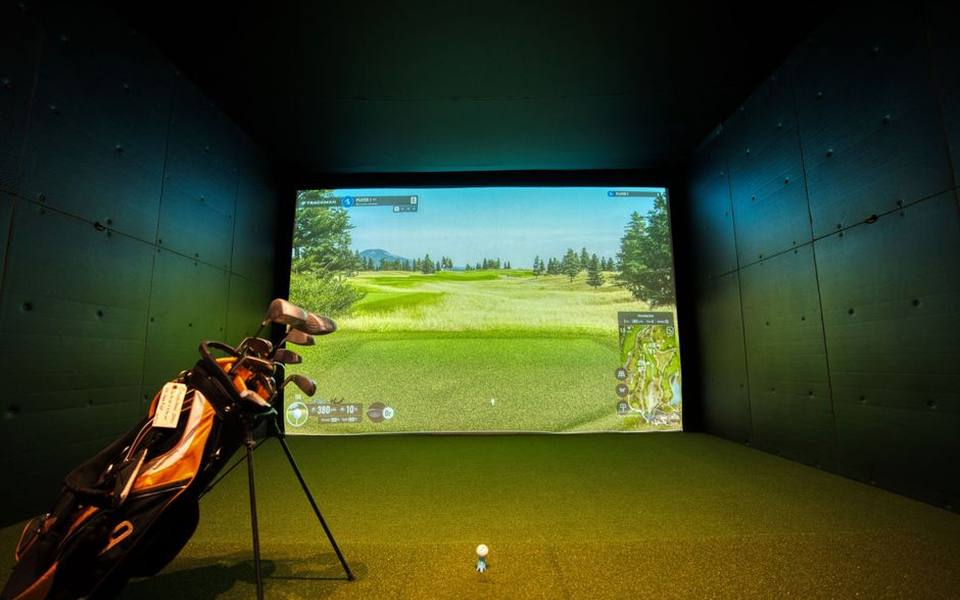
If your space is too tight to read full ball dynamics accurately, practicing at commercial indoor golf and simulator bays or dedicated ranges with ball-tracking technology allows you to benchmark your real numbers on tour-grade hardware. Once you know your authentic clubhead speeds, baseline spin numbers, and carry distances from commercial systems, practicing into your home net becomes far more purposeful and measurable.
Routine Net Inspection, Mat Maintenance, and Long-Term Care
Maintaining your personal practice station ensures safety and protects the investment you made in your gear. High-frequency practice creates concentrated friction wear on both the turf fibers and the net impact zone. Inspect your net monthly by standing behind it with bright backlighting to spot broken strands, stretched mesh knots, or thinned fibers. A ball slipping through a frayed hole at over one hundred miles per hour can easily puncture interior drywall or injure someone nearby.
To extend the life of your golf driving mat, rotate it one hundred eighty degrees every few months. Golfers naturally hit from the exact same central channel, which wears down the turf pile and compacts the foam base under the lead foot. Rotating the mat spreads the wear pattern across opposite sides, ensuring even footing and extending the life of the shock-absorbing foam sub-layer by months or years.
For outdoor setups, winterization is essential in cold or humid climates. Remove lightweight netting before heavy wet snowfall, as accumulating snow clings to mesh squares and exerts hundreds of pounds of downward force, bending metal support poles and snapping tension cables. Storing portable nets and mats in an unheated shed or garage over freezing winter months prevents ice buildup and protects rubber backings from freeze-thaw cracking.
Published 2026-09-21 · reviewed with each rebuild, last September 2026.
Find driving ranges near you
The directory lists 3,693 driving ranges by state and city — pick your state or use the “Near me” button in the header.
More guides
-
 Buying
Realistic Costs and Equipment Needed for a Home Golf Simulator
-
 Service
Golf Club Maintenance: Regripping and Reshafting Guide
-
 Money
MoneyGolf Lessons Cost and Beginner Guide: What to Expect and How to Budget
-
 Buying
Golf Club Fitting Cost and Selection Guide
-
 Buying
A Practical Guide to Buying, Selling, and Trading In Used Golf Clubs
-
 Money
MoneyDriving Range Costs, Practice Routines, and Range Etiquette
-
 Service
Fixing Topped Shots and Improving Ball Striking on the Range
-
 Buying
Best Golf Launch Monitors Buying Guide: Space, Tech, and Budget
-
 Buying
The Complete Guide to Buying Used Golf Clubs and Pre-Owned Equipment
-
 Buying
How to Choose the Best Local Golf Shop and Pro Shop Services
-
 Owning
Miniature Golf and Putt-Putt Guide: Rules, Courses, and Family Fun
-
 Service
Complete Guide to Custom Golf Fitting and Shaft Selection
-
 Buying
Complete Guide to Buying and Maintaining Golf Shoes and Cleats
-
 Owning
Designing and Installing Indoor and Backyard Putting Greens
-
 Service
Golf Swing Analytics, Speed Training, and Shot Tracking Systems
-
 Buying
How to Buy Used Golf Clubs and Get the Best Demo Day Deals
-
 Owning
Custom Golf Gear Personalization: Stampers, Bags, and Embroidery
-
 Buying
Selecting and Setting Up Home Golf Simulators and Launch Monitors
-
 Service
Choosing Golf Academies, Lessons, and Coaching Programs
-
 Buying
Custom Golf Club Fitting: Shafts, Clubheads, and Specifications
-
 Service
Entertainment Driving Ranges: Planning Group Outings, Corporate Events, and Bachelor Parties
-
 Service
Mini Golf, Footgolf, and Indoor Golf: Complete Venue Guide and Directory
-
 Owning
Tournaments, Scoring Tech, and Gear Upkeep: The Modern Golfer's Guide
-
 Buying
Golf Equipment and Club Fitting Guide: Starter Sets, Drivers, and Custom Builds
-
 Buying
Finding the Right Golf Pro Shop and Equipment Retailer
-
 Owning
Designing and Hosting Mini Golf Events: Indoor Party Venues and Practice Games
-
 Buying
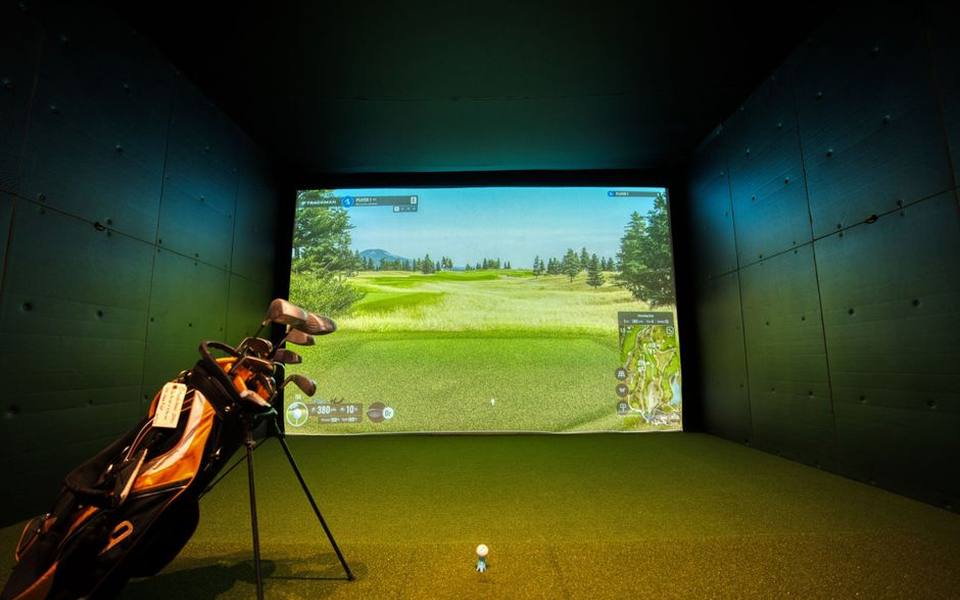
Indoor Golf Practice and Launch Monitors: How to Build Your Studio
-
 Buying
Golf Laser Rangefinders Buyer's Guide: Features, Accuracy, and Value
-
 Owning
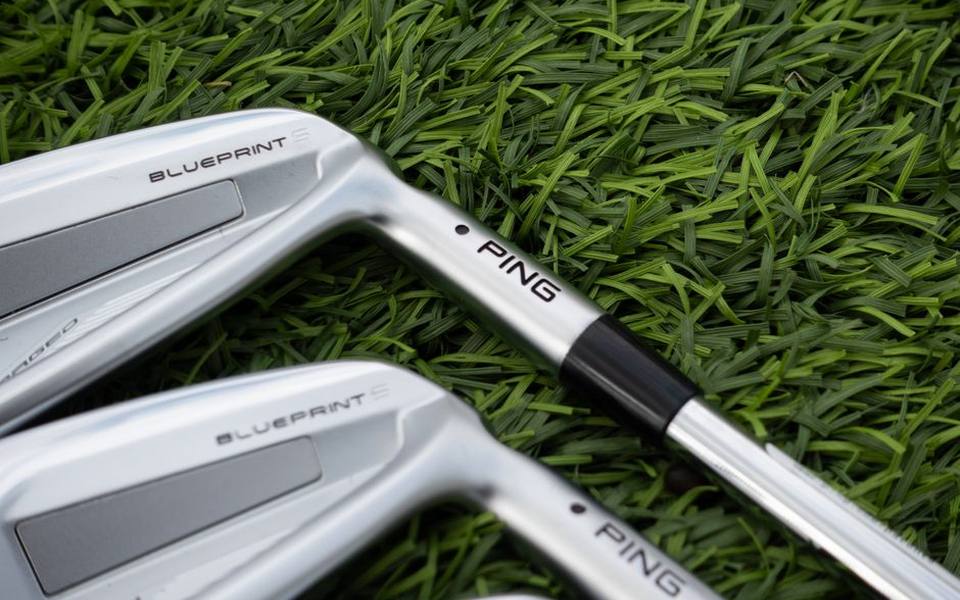
Golf Club Groove Maintenance: Tools, Techniques, and Equipment Care
-
 Buying
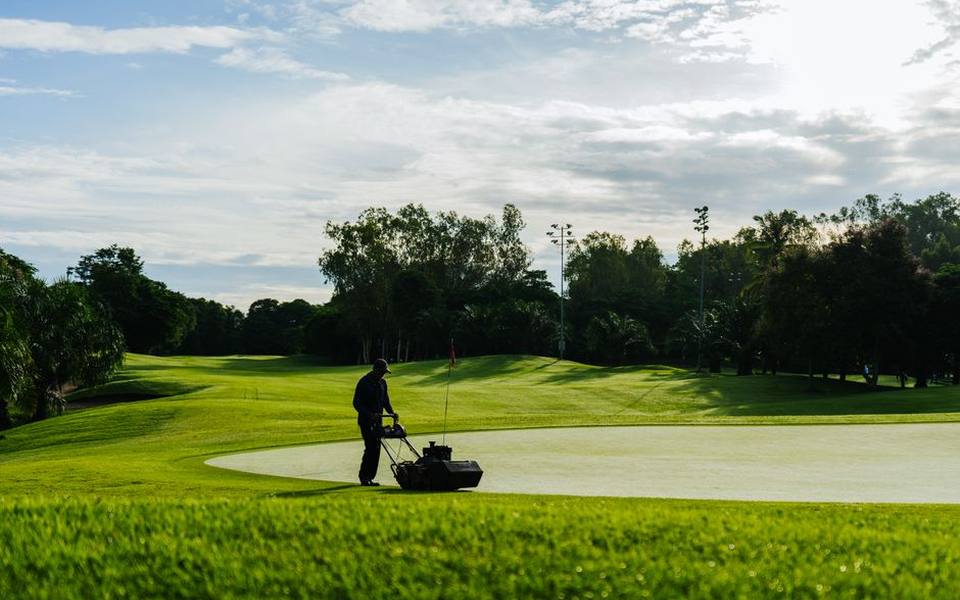
Commercial Golf Green Mowers: Maintenance, Selection, and Buying Guide
-
 Owning
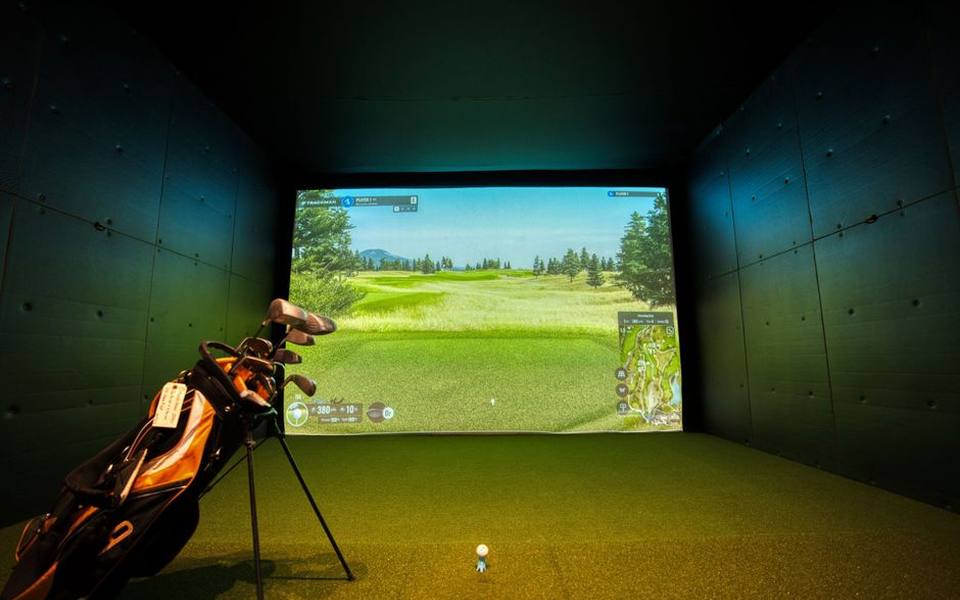
Best Mobile Golf Simulators and Games for Practice and Play
-
 Owning
Fixing Heavy Contact, Managing Distance, and Choosing Cold-Weather Gear
-
 Buying
Club Car Golf Carts: The Practical Guide to Buying, Inspecting, and Customizing
-
 Owning
Complete Guide to Putt-Putt Games: History, Titles, Platforms, and Walkthroughs
-
 Service
Top Sports Bars and Lounges: How to Pick the Best Game-Day Spots in NYC and Florida
-
 Safety
24-Hour Gun and Shooting Ranges: Availability, Rules, and Finding Round-the-Clock Facilities
-
 Owning
Golf Green Mobile Estates: Guide to Golf Community Living and Amenities