The Origins and Legacy of Humongous Entertainment's Little Purple Car
In the early 1990s, former LucasArts developer Ron Gilbert and producer Shelley Day set out to create educational software that respected the intelligence of young children. Their vision culminated in the founding of Humongous Entertainment, where an earnest, purple convertible named Putt-Putt became the flagship character. Rather than relying on repetitive drills or shallow flashcards, the creative team designed narrative-driven adventure titles that encouraged logical deductions, visual exploration, and basic problem solving in whimsical environments.
At the core of every classic Putt-Putt computer game was the SCUMM engine, the same scripting foundation that powered celebrated point-and-click PC adventure titles. By adapting this engine for younger players, the developers introduced intuitive mouse controls where nearly every background object yielded a playful interactive animation when clicked. Children could explore Cartown at their own pace, discovering hidden musical numbers, humorous side gags, and memorable supporting characters that made the fictional world feel alive and welcoming.
The cheerful purple Putt-Putt car was joined early on by Pep, an orphaned brown puppy that the vehicle adopts and carries along on his journey. This companion dynamic softened difficult puzzles and gave younger audiences an emotional anchor throughout the series. Over a span of nearly a decade, the franchise evolved across six primary mainline adventures and numerous arcade spin-offs, establishing a timeless standard for non-violent, narrative edutainment that continues to resonate with retro gaming enthusiasts today.
Putt-Putt Joins the Parade (1992): The Humble Beginning
Released in 1992 as the company's debut project, Putt-Putt Joins the Parade established the foundational template for the entire studio. The storyline is straightforward: the annual Cartown parade is taking place, and Putt-Putt needs to earn entry by securing a car wash, buying a balloon, locating a horn, and finding a pet companion. Players must navigate neighborhood streets, run small errands for local vehicle residents, and collect coins to afford essential parade supplies.

Economically, the game taught children simple transactional logic without feeling like a classroom lecture. Players mow lawns by directing Putt-Putt across patchy backyards to earn grocery money and vehicle polish. This structure was revolutionary for the era because it blended light resource management with exploration, showing young minds that patience and helpfulness produced practical rewards in a cohesive community setting.
Visually, the original floppy disk release featured low-resolution pixel graphics and synthetic digital audio, but a subsequent CD-ROM enhanced edition added full voice acting and richer environmental soundscapes. Revisiting this title reveals an uncluttered, charming purity. It remains an ideal entry point for very young players due to its compact map size, straightforward fetch quests, and absence of complex multi-step inventory barriers.
Putt-Putt Goes to the Moon (1993): Taking Kid-Friendly Sci-Fi Seriously
Following their breakout debut, the development team expanded their narrative scope dramatically with Putt-Putt Goes to the Moon in 1993. A freak accident at Mr. Firebird's fireworks factory sends Putt-Putt and Pep hurtling through the stratosphere, crash-landing directly onto the lunar surface. To return home, the stranded car must explore lunar craters, trade with alien machinery, and piece together the scattered fragments of an experimental rocket ship.
This sequel introduced Rover, a lonely lunar terrain vehicle who quickly became one of the most beloved secondary characters in the franchise. Rover aids Putt-Putt across craters and through bizarre underground caverns, teaching children about cooperation, empathy, and making friends in unfamiliar settings. The environmental puzzles stepped up in sophistication, requiring players to manipulate gravitational differences, balance fuel mixtures, and solve geometric bridge alignments.
The lunar backdrop allowed the art department to experiment with surreal, dreamlike aesthetics that set the title apart from neighborhood-focused stories. Lunar dust storms, crystalline caves, and quirky space stations offered an early taste of sci-fi wonder for nineties youth. The title proved that an educational video game could deliver genuine tension and atmospheric depth while maintaining an upbeat, reassuring tone.
Putt-Putt Saves the Zoo (1995): The Peak of the Golden Age
Widely regarded by critics and longtime players as the series high-water mark, Putt-Putt Saves the Zoo debuted in 1995 to critical acclaim. The narrative revolves around the grand opening of the Cartown Zoo, managed by the jovial Outback Al. A sudden catastrophe strikes right before opening day: six baby animals have wandered into unfamiliar exhibit sectors and become trapped, leaving the zoo unable to open its gates without outside assistance.
Players traverse three distinctly themed zones: the Jungle Land canopy, the chilly Arctic tundra, and the expansive Grasslands. Rescuing the baby animals requires creative deduction, such as melting icy dams with hot cocoa, using a sturdy log to bridge ravines, or coaxing a shy baby seal out of deep water. The game perfected the balance of non-linear quest lines, allowing children to tackle the missing animals in whatever sequence they preferred, minimizing player frustration.
Beyond its tight puzzle design, the Putt-Putt zoo adventure stands out for its high production values, lush hand-drawn cel animation, and unforgettable musical compositions like the famous animal song. The audio quality took full advantage of expanding CD-ROM drive capacities, setting a benchmark for multimedia software of that generation. For many families who grew up with beige desktop towers, this particular rescue mission defines their fondest childhood computing memories.
Putt-Putt Travels Through Time (1997): History, Dinosaurs, and Branching Logic
By 1997, computer hardware capabilities had advanced significantly, enabling richer animation frames and more intricate narrative pathways. In Putt-Putt Travels Through Time, another experiment by the eccentric inventor Mr. Firebird goes awry, opening a swirling time portal in his workshop. The dimensional rift pulls in Putt-Putt's school supplies, his history report, and his faithful dog Pep, scattering them across prehistoric, medieval, old western, and futuristic eras.
Navigating four distinct historical epochs required players to grasp chronological cause and effect. A stone wheel discovered in the prehistoric valley might assist an inventor in a subsequent civilization, while fixing an ancient water trough solves a dispute in the Old West. The visual variety kept pacing fresh, alternating between dusty desert saloons, stone castles guarded by whimsical dragons, and floating futuristic highways filled with robotic citizens.
This installment also refined the franchise's proprietary branching puzzle algorithm. Each time a new playthrough began, the specific locations of Putt-Putt's lost belongings shuffled among several predetermined possibilities. This dynamic randomization meant siblings or returning players could replay the quest without repeating the exact same sequence of item exchanges, substantially increasing the long-term utility of the CD-ROM.
Putt-Putt Enters the Race (1998): High Octane Problem Solving
In 1998, the series shifted focus toward automotive culture and friendly competition with Putt-Putt Enters the Race. Upon discovering that the annual Cartown 500 race is accepting contestants, Putt-Putt visits track official Redline Rick to sign up. Before the green flag can drop, however, Putt-Putt must fulfill a stringent inspection checklist: high-octane triangular fuel, four high-performance racing tires, a safety flag, and an official racing number.
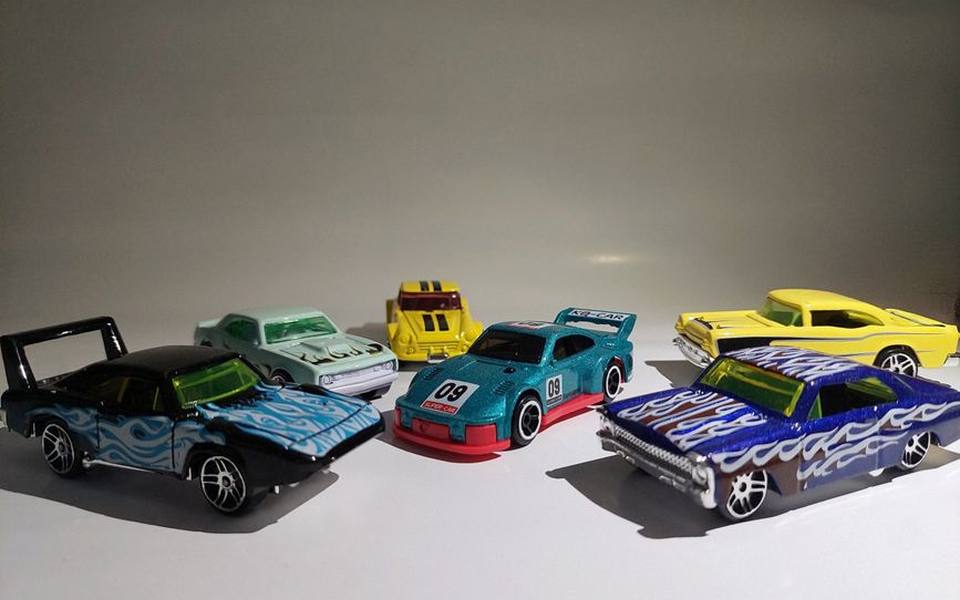
Collecting these racing essentials involves navigating the sprawling streets and commercial hubs of Cartown, assisting quirky local shopkeepers along the way. Players interact with tow trucks, diners, and tire fitters, solving problems through barter and observational puzzles. The pacing feels energetic and driven, mirroring the excitement children feel toward racecars while remaining completely devoid of aggressive driving mechanics or sudden death states.
The game concludes with an interactive, family-friendly race around the speedway where players steer the purple car along the track, dodging harmless oil slicks and collecting colorful speed boosts. It demonstrated that puzzle-heavy adventures could effortlessly integrate light arcade mini-games without alienating younger children who preferred leisurely exploration over rapid hand-eye coordination challenges.
Putt-Putt Joins the Circus (2000): Big Top Puzzles and Final Classic Adventures
Entering the new millennium, Humongous Entertainment released Putt-Putt Joins the Circus in 2000, which served as the character's final mainline traditional point-and-click adventure. Traveling by train to see B.J. Sweeney's Big Top Circus, Putt-Putt arrives only to learn the performance is on the verge of cancellation. Key animal performers and stage performers have run into personal dilemmas, requiring player intervention before the evening curtain rises.
The quest requires Putt-Putt to assemble five headlining acts by resolving specialized mini-narratives across the circus fairgrounds. Tasks range from mixing paint colors to decorate stage props, organizing flying flea acrobatics, and balancing tightrope safety apparatuses. The game placed a heavier emphasis on musical mini-games and visual color matching than earlier installments, tailoring its difficulty specifically toward younger elementary audiences.
Although late-era market shifts were beginning to push youth entertainment toward 3D graphics and rapid action consoles, this circus escapade remained true to its traditional, hand-drawn 2D aesthetic. The voice work was warm, the jokes were gentle, and the vibrant circus canvas provided a dignified send-off for one of the most prolific educational characters of the PC multimedia boom.
Understanding the Randomization and Puzzle Mechanics
A primary reason the Putt-Putt video game library maintained such high replayability across elementary classrooms and living rooms was its intelligent puzzle randomization system. Rather than scripting a single static walkthrough, designers developed modular puzzle tracks. For instance, in a given game session, an essential key might be hidden inside an icy cave requiring warm cocoa, while in the next session, that same objective requires trading a tire patch in an entirely different wing of the map.
This dynamic scripting prevented young players from simply memorizing mechanical sequences without engaging their analytical faculties. Children were encouraged to listen to dialogue clues, observe subtle changes in background art, and hypothesize solutions based on the specific items currently resting in Putt-Putt's dashboard glove box. Failure states were non-existent; incorrect item combinations yielded gentle verbal feedback from Putt-Putt rather than abrupt game-over screens.
These thoughtfully constructed logic puzzles share surprising common ground with physical coordination sports. Much like young golfers learning spatial awareness and distance judgment at public driving ranges, point-and-click adventures teach children systematic trial-and-error, patient problem deconstruction, and visual geometry. Engaging these cognitive muscles in childhood often translates into sharper strategic thinking across real-world athletic and academic pursuits.
Where to Play Today: Steam, Consoles, and Mobile Emulation
Preserving thirty-year-old educational CD-ROMs can be tricky on modern operating systems, but classic Putt-Putt adventures have enjoyed a major digital renaissance. The entire mainline catalog is readily available on modern storefronts like Steam, where titles are bundled with open-source ScummVM interpreter wrappers. This integration allows these DOS and early Windows programs to run natively on Windows 10, Windows 11, macOS, and Linux without demanding manual configuration from the user.
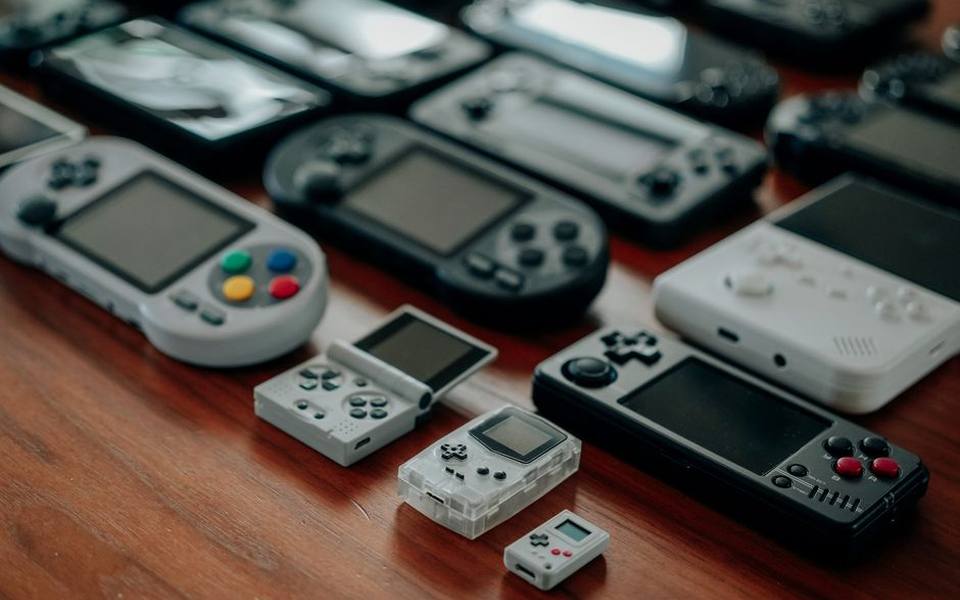
For families who prefer gaming away from a desktop desk, select titles have been successfully ported to modern consoles, including the Nintendo Switch, as well as iOS and Android smartphones. The intuitive touchscreens of mobile tablets replicate the original mouse-click interface with exceptional fidelity, making these titles just as accessible to a toddler today as they were to children handling heavy trackball mice in 1994.
Modern digital purchases typically cost between five and ten dollars per title, with frequent seasonal bundle sales driving prices even lower. Hardware requirements are practically negligible, allowing these games to execute flawlessly on low-powered school laptops, tablets, and budget office desktops without dedicated graphics hardware or specialized gaming peripherals.
Balancing Digital Adventures with Real-World Activity
While introducing a retro Putt-Putt computer game is a fantastic way to spend a rainy afternoon, healthy developmental routines typically pair interactive screen time with physical outdoor recreation. Point-and-click games stimulate narrative reasoning, focus, and puzzle-solving patience, but developing gross motor skills, hand-eye coordination, and spatial depth requires hands-on physical activity away from desktop monitors and tablet displays.
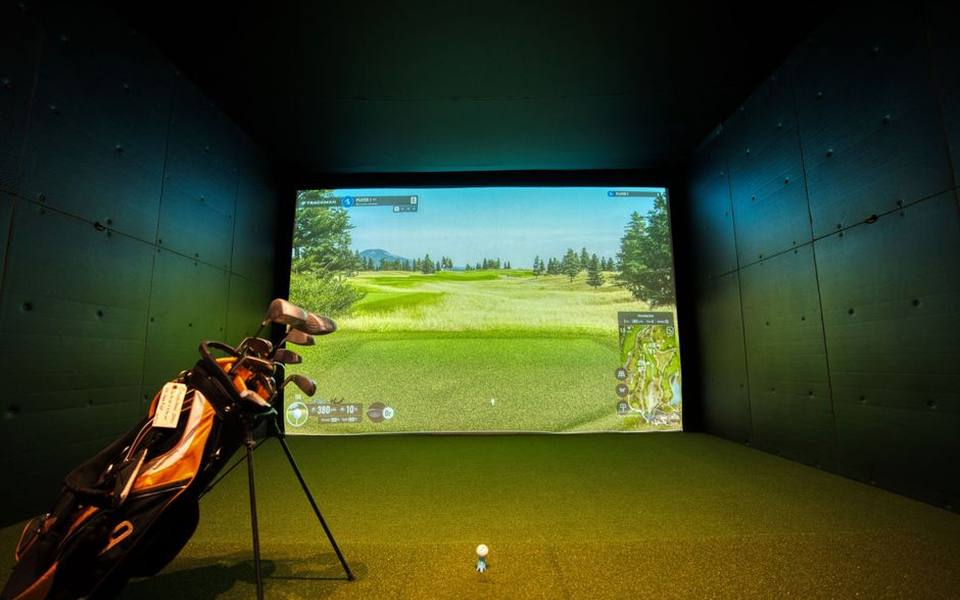
Many families find that balancing digital gaming with visits to local family sports centers offers an ideal weekend routine. Spending an hour practicing golf swings under covered hitting bays gives children a chance to apply the focus they cultivate in problem-solving games to physical movement. When unpredictable weather rolls in, transitioning toward indoor golf simulators provides an active, screen-assisted recreational bridge that keeps kids physically engaged.
Introducing organized physical recreation through structured beginner golf lessons also reinforces the exact virtues taught by Cartown's friendliest vehicle: persistence, practice, and methodical self-improvement. By intentionally alternating between classic digital storytelling and active athletic practice, parents can create a well-rounded leisure environment that nurtures both mental agility and lifelong physical wellness.
Published 2026-09-21 · reviewed with each rebuild, last September 2026.
Find driving ranges near you
The directory lists 3,693 driving ranges by state and city — pick your state or use the “Near me” button in the header.
More guides
-
 Buying
Realistic Costs and Equipment Needed for a Home Golf Simulator
-
 Service
Golf Club Maintenance: Regripping and Reshafting Guide
-
 Money
MoneyGolf Lessons Cost and Beginner Guide: What to Expect and How to Budget
-
 Buying
Golf Club Fitting Cost and Selection Guide
-
 Buying
A Practical Guide to Buying, Selling, and Trading In Used Golf Clubs
-
 Money
MoneyDriving Range Costs, Practice Routines, and Range Etiquette
-
 Service
Fixing Topped Shots and Improving Ball Striking on the Range
-
 Buying
Best Golf Launch Monitors Buying Guide: Space, Tech, and Budget
-
 Buying
The Complete Guide to Buying Used Golf Clubs and Pre-Owned Equipment
-
 Buying
How to Choose the Best Local Golf Shop and Pro Shop Services
-
 Owning
Miniature Golf and Putt-Putt Guide: Rules, Courses, and Family Fun
-
 Service
Complete Guide to Custom Golf Fitting and Shaft Selection
-
 Buying
Complete Guide to Buying and Maintaining Golf Shoes and Cleats
-
 Owning
Designing and Installing Indoor and Backyard Putting Greens
-
 Service
Golf Swing Analytics, Speed Training, and Shot Tracking Systems
-
 Buying
Golf Practice Nets, Driving Mats, and Backyard Hitting Setups
-
 Buying
How to Buy Used Golf Clubs and Get the Best Demo Day Deals
-
 Owning
Custom Golf Gear Personalization: Stampers, Bags, and Embroidery
-
 Buying
Selecting and Setting Up Home Golf Simulators and Launch Monitors
-
 Service
Choosing Golf Academies, Lessons, and Coaching Programs
-
 Buying
Custom Golf Club Fitting: Shafts, Clubheads, and Specifications
-
 Service
Entertainment Driving Ranges: Planning Group Outings, Corporate Events, and Bachelor Parties
-
 Service
Mini Golf, Footgolf, and Indoor Golf: Complete Venue Guide and Directory
-
 Owning
Tournaments, Scoring Tech, and Gear Upkeep: The Modern Golfer's Guide
-
 Buying
Golf Equipment and Club Fitting Guide: Starter Sets, Drivers, and Custom Builds
-
 Buying
Finding the Right Golf Pro Shop and Equipment Retailer
-
 Owning
Designing and Hosting Mini Golf Events: Indoor Party Venues and Practice Games
-
 Buying
Indoor Golf Practice and Launch Monitors: How to Build Your Studio
-
 Buying
Golf Laser Rangefinders Buyer's Guide: Features, Accuracy, and Value
-
 Owning
Golf Club Groove Maintenance: Tools, Techniques, and Equipment Care
-
 Buying
Commercial Golf Green Mowers: Maintenance, Selection, and Buying Guide
-
 Owning
Best Mobile Golf Simulators and Games for Practice and Play
-
 Owning
Fixing Heavy Contact, Managing Distance, and Choosing Cold-Weather Gear
-
 Buying
Club Car Golf Carts: The Practical Guide to Buying, Inspecting, and Customizing
-
 Service
Top Sports Bars and Lounges: How to Pick the Best Game-Day Spots in NYC and Florida
-
 Safety
24-Hour Gun and Shooting Ranges: Availability, Rules, and Finding Round-the-Clock Facilities
-
 Owning
Golf Green Mobile Estates: Guide to Golf Community Living and Amenities