The Modern Practice Session: Moving Beyond Guesswork
Practicing golf used to mean buying a bucket of balls, walking to an open stall, and hitting shot after shot while relying entirely on where the ball seemed to land. Without reliable feedback, players often reinforced swing faults because a shot that looked straight downrange might have actually started offline or carried twenty yards shorter than expected. Modern practice facilities have changed this dynamic completely by putting diagnostic tools directly at the hitting station.
Today, tracking your shots and measuring physical delivery allows you to isolate why a ball flies the way it does rather than merely reacting to the final outcome. When you can monitor your strike patterns, ball velocity, and trajectory in real time, practice shifts from blind repetition to targeted problem-solving. This feedback loop speeds up skill acquisition because you immediately know whether a swing adjustment produced a functional mechanical change.
Whether you are looking to gain extra yards off the tee, tighten your iron dispersion, or eradicate an ingrained hook or fade, utilizing data-driven methods makes every swing purposeful. A structured session that pairs swing speed routines with objective ball flight measurements delivers vastly superior long-term results compared to pounding hundreds of balls without a clear metric in mind.
How Radar and Optical Shot Tracking Systems Operate
Shot measurement technology generally relies on two primary methods to read your shots: Doppler radar tracking and high-speed optical camera arrays. Radar-based units sit behind or beside the golfer, emitting microwave signals that bounce off the moving clubhead and golf ball to calculate velocity, launch direction, and distance. Optical units, on the other hand, capture thousands of frames per second right around the impact zone to measure ball spin, launch angle, and clubface orientation directly.

At public practice ranges, you will often encounter permanently installed camera towers that project a digital golf tracer across an overhead monitor. These setups track the ball throughout its entire flight, mapping the precise arc against a virtual overhead map of the facility. Finding ranges with ball-tracking technology gives everyday golfers access to the same visual feedback loops that professional tour players rely on during tournament preparation.
Personal portable monitors have also become widespread, allowing golfers to bring dedicated measurement hardware directly into their bay. While standalone consumer devices vary in physical footprint and internal sensor quality, they generally output critical parameters within seconds of impact. Understanding whether a device measures true ball flight or calculates metrics using mathematical algorithms helps you evaluate how closely the numbers reflect real-world course conditions.
Interpreting Core Numbers: Carry, Ball Speed, and Launch
To get genuine value from tracking hardware, you need to understand which data points matter most for your specific goals. Ball speed represents the raw velocity of the golf ball immediately after leaving the clubface, and it serves as the primary engine for overall distance. Even a slight increase in ball speed can add noticeable yardage, provided the ball launches at an appropriate angle and spins at a controllable rate.
Carry distance is arguably the most critical metric for on-course strategy because it dictates how far the ball travels through the air before contacting the ground. Many recreational players mistakenly judge their clubs by total distance, which includes rollout that varies wildly depending on turf firmness, slope, and weather. Dialing in your carry numbers on dedicated driving ranges with ball tracking tech prevents you from under-clubbing over water hazards and fairway bunkers.
Launch angle and backspin work together to govern how long the ball stays airborne and how it behaves upon landing. A launch angle that is too high with excessive spin causes the ball to balloon and lose forward momentum into the wind, while a flat launch with minimal spin drops out of the sky prematurely. Finding the balance between these values maximizes distance while ensuring approach shots hold firm greens.
Mastering the Angle of Attack for Drivers and Irons
Angle of attack describes the vertical direction the clubhead is traveling as it strikes the ball, measured in degrees either upward or downward. For iron play, an effective swing requires a negative, downward angle of attack, meaning the club makes contact with the ball first before brushing the turf and taking a shallow divot. Striking downward compresses the ball against the grooves, generating predictable spin and a clean, piercing trajectory.
With a driver, the mechanical objective flips entirely. To maximize tee shot efficiency and reduce unwanted backspin, golfers generally benefit from a level or positive, upward angle of attack, hitting the ball on the upswing as the club exits the bottom of the arc. An upward strike between two and five degrees allows you to launch the ball high with lower spin rates, unlocking substantial yardage without requiring extra physical exertion.
Golfers who hit down on their driver often struggle with excessive backspin, high floating trajectories, and significant loss of distance into headwinds. Tracking this single variable helps you identify whether poor driving stems from swing speed limitations or simply inefficient delivery at the moment of impact. Simple adjustments to ball position and shoulder tilt at address often realign attack angle numbers rapidly.
Using Path and Face Metrics to Neutralize a Slice
A slice is the most frequent ball-flight frustration for high-handicap golfers, characterized by a shot that curves violently away from the target line toward the trailing side. Ball flight physics dictate that curvature is governed by the relationship between the swing path and the clubface angle at impact. When the clubface is open relative to the direction the clubhead is traveling, the ball receives clockwise tilt (for a right-handed player), producing sideways curvature.
Many players attempt to fix a slice by aiming further away from the trouble, but this instinctive reaction actually worsens the issue by encouraging an outside-in, over-the-top swing path. Tracking software reveals this error immediately by displaying path numbers that swing several degrees across the target line. When you can see the exact degree of your path and face orientation, you can begin making deliberate mechanical corrections rather than guessing.
Straightening out curved shots requires neutralizing the club path from inside the target line while learning to square the clubface earlier during the downswing. Checking your swing data after small setup modifications—such as strengthening your grip, rotating the forearm through impact, or closing your stance slightly—provides undeniable confirmation of whether the face-to-path discrepancy is shrinking into an acceptable window.
Science-Based Speed Training for Real Distance Gains
Swing speed training has moved from a niche athletic pursuit into mainstream golf instruction as players realize that clubhead velocity directly correlates to scoring potential. The human nervous system typically limits how fast muscles contract based on ingrained movement patterns and protective reflex thresholds. Overload and underload training protocols challenge these neural limits by having golfers swing shafts that are intentionally lighter and heavier than their standard playing clubs.

Swinging a lighter implement trains the brain and fast-twitch muscle fibers to move at velocities previously unreached, breaking through neurological speed plateaus. Conversely, swinging a weighted implement builds the core stabilizer strength and rotational power required to control that extra speed safely. Over a period of several weeks, the nervous system adapts, gradually integrating higher baseline velocity into standard swings with your regular clubs.
Executing these routines requires discipline and proper recovery. Speed sessions are high-intensity neuromuscular workouts, meaning they should generally be performed two to three days per week with rest days in between to prevent tendon strain and fatigue. Pushing through exhaustion during speed training often degrades swing mechanics, so stopping once peak velocity begins dropping during a set is critical for building sustainable power.
Choosing Between Mobile Swing Analyzers and Digital Coaching Tools
High-end tracking bays provide exceptional detail, but modern smartphone cameras and mobile swing apps have placed accessible analytical tools into every golfer’s pocket. Contemporary mobile applications use high-frame-rate video capture and artificial intelligence to trace your body movements, identifying flaws such as early extension, head sway, and excessive wrist breakdown. These tools offer visual draw lines and automated playback without requiring complex external sensor rigs.
When evaluating mobile software, golfers often weigh simple free swing capture tools against comprehensive subscription platforms. Free utilities typically offer slow-motion scrubbing, basic grid lines, and video side-by-side comparisons with tour swings, which is often plenty for casual self-diagnosis. Premium digital platforms expand on this by incorporating automated tracking, tempo calculators, club path estimation, and remote feedback from certified instructors.
The best digital coaching tool is ultimately the one you can interpret clearly without falling into technical paralysis. Video analysis works best when you focus on a single checkpoint per session—such as top-of-backswing depth or hip clearance at impact—rather than trying to redesign four separate mechanical faults simultaneously. Combining video review with ball flight data ensures your mechanical changes yield positive ball striking.
Practicing in Covered Bays and Indoor Simulator Environments
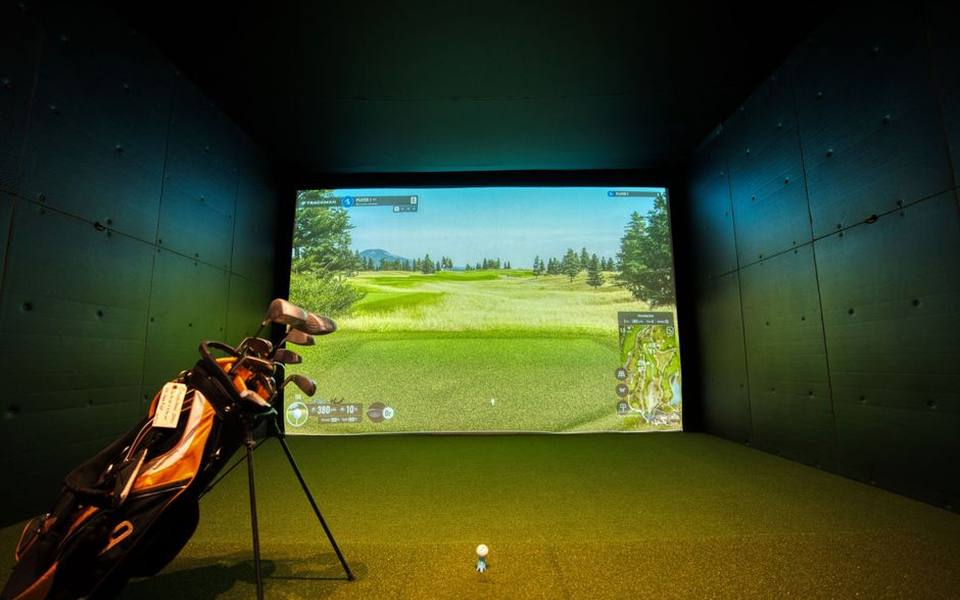
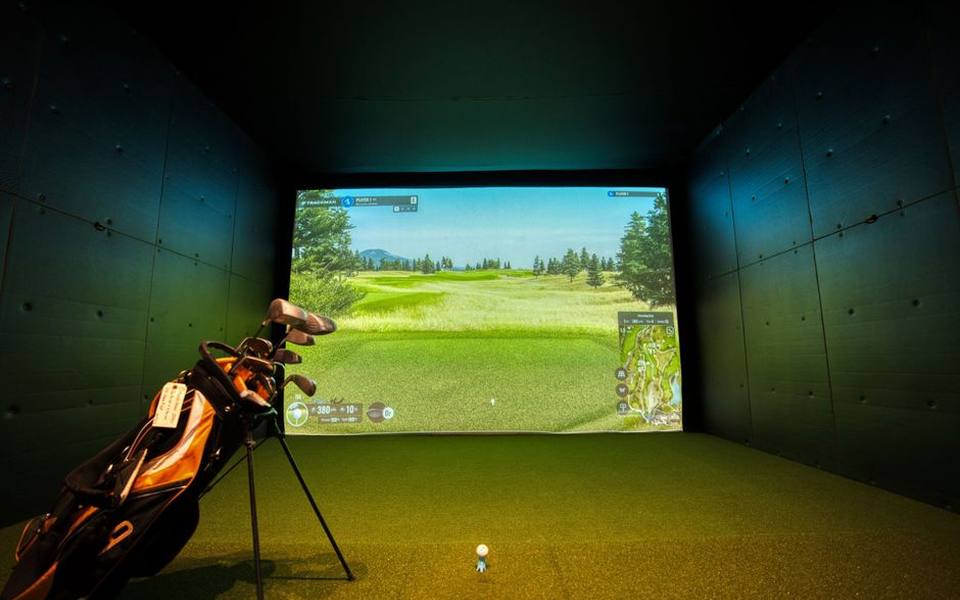
Weather consistency plays a major role in sticking to a productive practice and speed training schedule. Wet grips, cold air, and uneven natural grass can hinder your ability to swing aggressively and measure pure ball speeds. Training inside indoor golf and simulator bays removes external factors like crosswinds and temperature drops, providing a controlled baseline where launch numbers remain strictly comparable across different sessions.
Indoor simulator software also translates raw launch data into realistic virtual course scenarios, helping golfers bridge the gap between technical drills and tactical gameplay. Practicing on a virtual golf course forces you to visualize specific landing zones and adapt to varied pin placements, preventing the mindless ball-beating that often plagues open range sessions. You can observe your real-world dispersion circles across simulated fairways.
However, hitting off artificial mats indoor requires awareness of turf interaction differences. Mats can mask slightly fat strikes by allowing the clubhead to bounce into the ball without digging, producing decent ball speed despite an imperfect low point. Paying attention to your clubhead descent angle and impact sound ensures that swing habits built indoors transfer seamlessly back onto natural grass fairways.
Structuring Range Time Between Speed Work and Accuracy
A common mistake among golfers adopting swing analytics is blending maximum-effort speed training with precision target practice within the exact same set of swings. When training for pure velocity, your focus must be on maximum neuromuscular output without worrying about where the ball flies or whether contact is dead center. Attempting to steer the ball toward a target flag inhibits your body from swinging with unrestricted acceleration.

To build an effective routine, split your practice into distinct operational blocks. Dedicate the initial portion of your session, after a thorough warm-up, to your speed protocols when your central nervous system is fresh and responsive. Once your speed sets are completed, take a brief rest to let heart rate and muscular tension settle before switching focus entirely toward club delivery mechanics, attack angles, and target alignment.
During the accuracy phase, lower your perceived effort to a controlled cruising speed and focus strictly on shot shape and impact quality. Tracking your ball dispersion during this phase demonstrates whether you can maintain stable clubface control as your overall athletic baseline rises. Balancing explosive power drills with calculated target work creates a game that is both long off the tee and reliable into the greens.
Combining Data with Hands-On Coaching and Club Fitting
While digital monitors and swing apps deliver immense insight, data without knowledgeable interpretation can sometimes lead golfers down counterproductive rabbit holes. Working periodically with a professional at driving ranges with golf lessons helps you contextualize your numbers so you work on the root cause of an errant shot rather than chasing secondary symptoms. An experienced teacher knows which metrics require immediate attention and which will resolve naturally.
Launch monitors also form the backbone of modern club customization. If your angle of attack and delivery path are sound but you still experience excessive spin or errant launch angles, your equipment shaft profile or head loft may be mismatched to your swing speed. Visiting a specialist for dedicated club fitting services ensures that your driver head, shaft stiffness, and lie angles complement your natural delivery.
Ultimately, technology serves as an accelerator of honest feedback, stripping away subjective illusions about your game. When you understand your baseline speeds, control your impact variables, and verify your equipment specifications, you enter every competitive round with authentic confidence built on measured proof rather than hopeful optimism.
Published 2026-09-21 · reviewed with each rebuild, last September 2026.
Find driving ranges near you
The directory lists 3,693 driving ranges by state and city — pick your state or use the “Near me” button in the header.
More guides
-
 Buying
Realistic Costs and Equipment Needed for a Home Golf Simulator
-
 Service
Golf Club Maintenance: Regripping and Reshafting Guide
-
 Money
MoneyGolf Lessons Cost and Beginner Guide: What to Expect and How to Budget
-
 Buying
Golf Club Fitting Cost and Selection Guide
-
 Buying
A Practical Guide to Buying, Selling, and Trading In Used Golf Clubs
-
 Money
MoneyDriving Range Costs, Practice Routines, and Range Etiquette
-
 Service
Fixing Topped Shots and Improving Ball Striking on the Range
-
 Buying
Best Golf Launch Monitors Buying Guide: Space, Tech, and Budget
-
 Buying
The Complete Guide to Buying Used Golf Clubs and Pre-Owned Equipment
-
 Buying
How to Choose the Best Local Golf Shop and Pro Shop Services
-
 Owning
Miniature Golf and Putt-Putt Guide: Rules, Courses, and Family Fun
-
 Service
Complete Guide to Custom Golf Fitting and Shaft Selection
-
 Buying
Complete Guide to Buying and Maintaining Golf Shoes and Cleats
-
 Owning
Designing and Installing Indoor and Backyard Putting Greens
-
 Buying
Golf Practice Nets, Driving Mats, and Backyard Hitting Setups
-
 Buying
How to Buy Used Golf Clubs and Get the Best Demo Day Deals
-
 Owning
Custom Golf Gear Personalization: Stampers, Bags, and Embroidery
-
 Buying
Selecting and Setting Up Home Golf Simulators and Launch Monitors
-
 Service
Choosing Golf Academies, Lessons, and Coaching Programs
-
 Buying
Custom Golf Club Fitting: Shafts, Clubheads, and Specifications
-
 Service
Entertainment Driving Ranges: Planning Group Outings, Corporate Events, and Bachelor Parties
-
 Service
Mini Golf, Footgolf, and Indoor Golf: Complete Venue Guide and Directory
-
 Owning
Tournaments, Scoring Tech, and Gear Upkeep: The Modern Golfer's Guide
-
 Buying
Golf Equipment and Club Fitting Guide: Starter Sets, Drivers, and Custom Builds
-
 Buying
Finding the Right Golf Pro Shop and Equipment Retailer
-
 Owning
Designing and Hosting Mini Golf Events: Indoor Party Venues and Practice Games
-
 Buying
Indoor Golf Practice and Launch Monitors: How to Build Your Studio
-
 Buying
Golf Laser Rangefinders Buyer's Guide: Features, Accuracy, and Value
-
 Owning
Golf Club Groove Maintenance: Tools, Techniques, and Equipment Care
-
 Buying
Commercial Golf Green Mowers: Maintenance, Selection, and Buying Guide
-
 Owning
Best Mobile Golf Simulators and Games for Practice and Play
-
 Owning
Fixing Heavy Contact, Managing Distance, and Choosing Cold-Weather Gear
-
 Buying
Club Car Golf Carts: The Practical Guide to Buying, Inspecting, and Customizing
-
 Owning
Complete Guide to Putt-Putt Games: History, Titles, Platforms, and Walkthroughs
-
 Service
Top Sports Bars and Lounges: How to Pick the Best Game-Day Spots in NYC and Florida
-
 Safety
24-Hour Gun and Shooting Ranges: Availability, Rules, and Finding Round-the-Clock Facilities
-
 Owning
Golf Green Mobile Estates: Guide to Golf Community Living and Amenities