What a Golf Driving Range Actually Offers
A driving range is a specialized open-air or sheltered athletic facility designed for golfers to practice their full swings, iron play, and short game without committing to four hours on a golf course. At its core, the driving range meaning centers on focused repetition. Instead of tracking a single ball over hundreds of yards of rolling fairways, players stand in a designated hitting station and strike ball after ball toward marked targets, distance signs, and target greens scattered throughout a netted outfield.
Most practice grounds provide artificial synthetic mats, natural grass tee decks, or a combination of both depending on the season and facility maintenance. Alongside the main tee line, facilities frequently offer dedicated chipping greens, green-side sand bunkers, and sprawling practice putting surfaces. Because ranges do not require tee times or formal course bookings, they serve as the most accessible entry point for newcomers picking up a club for the very first time.
Whether you visit standalone commercial centers or regional municipal complexes, these facilities provide a relaxed environment where mechanics can be refined at your own pace. Many players look for local options through public golf driving ranges to locate accessible tee boxes, reasonable bucket rates, and quiet practice windows before booking an official eighteen-hole round on the weekend.
Understanding What It Means to Hit a Bucket
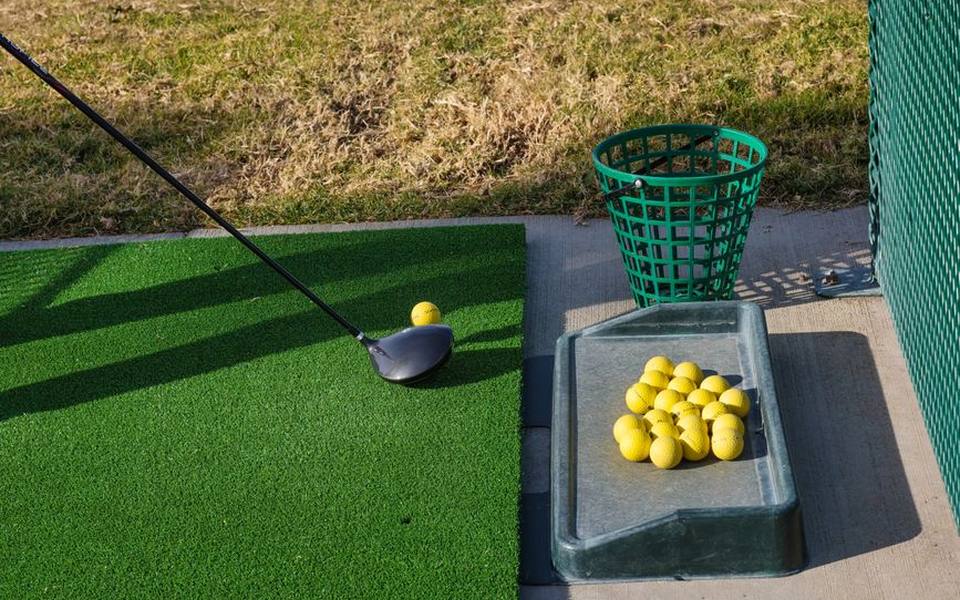
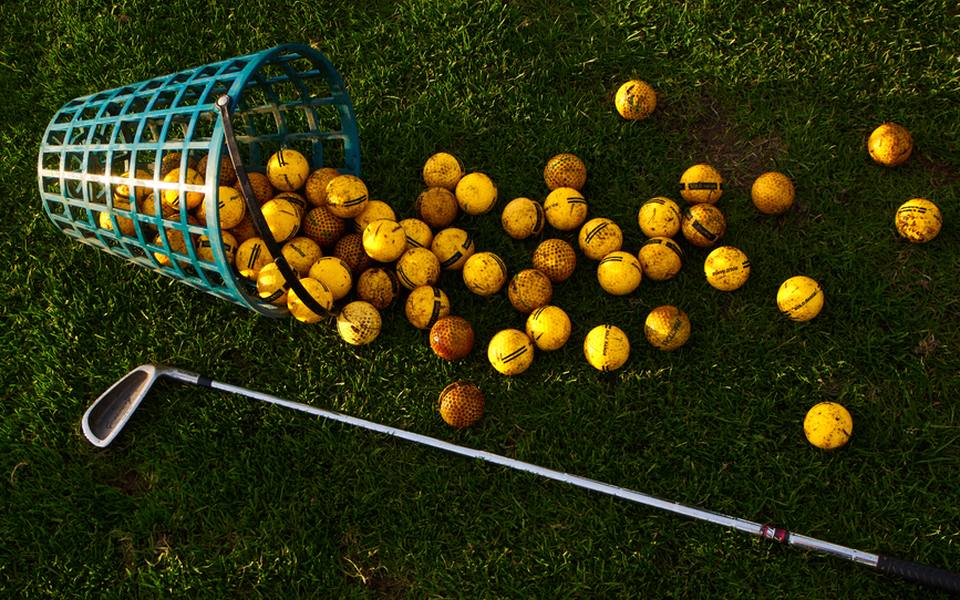
When someone suggests heading over to hit a bucket, the hit the bucket meaning simply refers to purchasing a pre-measured basket of practice golf balls to hit out onto the range. Rather than bringing your own golf balls from your bag, you pay the facility for a container of range balls that are collected, washed, and recirculated by automated machinery throughout the operating day.
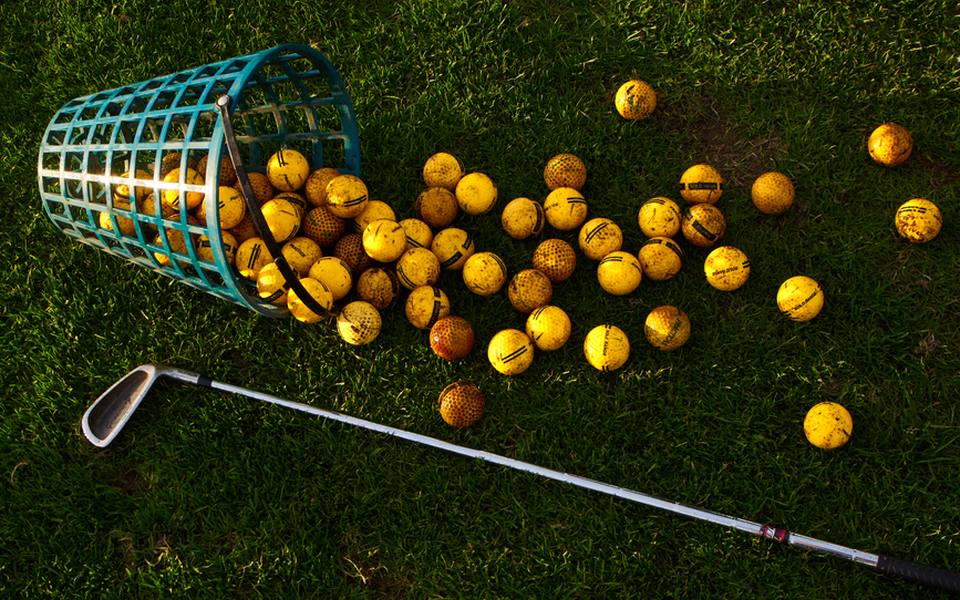
Buckets are universally grouped by volume into small, medium, large, and sometimes jumbo sizes. A small bucket typically contains between 30 and 45 balls, which is ideal for a quick pre-round warmup or casual tempo check. Medium buckets generally provide around 65 to 75 balls, offering enough swings for a comprehensive multi-club session. Large baskets usually hold anywhere from 90 to 120 balls, catering to dedicated training routines where players work through irons, hybrids, and drivers.
Acquiring your balls is straightforward. Most facilities either provide a physical wire or plastic basket at the clubhouse pro shop or utilize self-service dispensing machines located right on the practice line. These automated dispensers accept pre-paid tokens, magnetic PIN cards, or standard credit cards, immediately dropping a cascade of yellow or white practice balls into your basket with the push of a button.
Standard Pricing and What Range Balls Cost
Understanding golf driving range prices helps you plan an affordable practice routine. While pricing fluctuates based on regional real estate values and facility amenities, small buckets typically cost between $6 and $10, medium buckets generally fall between $10 and $15, and large buckets usually range from $14 to $22. In rural or municipal settings, prices tend to settle toward the lower end of that scale, while metropolitan areas skew higher.
When evaluating golf range prices, you are paying for facility upkeep, lighting, ball inventory replacement, and automated machinery maintenance. Driving range prices reflect not only the volume of balls in your basket but also the quality of the hitting surface. Venues maintaining pristine natural bermudagrass or bentgrass tee decks often charge a few dollars more than facilities relying strictly on standard rubber-backed synthetic mats.
For regular visitors calculating total golf driving range cost over a month, frequent visits can add up quickly. If you hit two medium buckets per week, your monthly expenditure typically sits between $80 and $120. Recognizing this, nearly all independent and municipal ranges provide digital punch passes, loyalty cards, or reloadable key fobs that reduce the per-bucket rate by anywhere from 10 to 25 percent when purchased in bulk.
Local Price Variables and Modern Tech Bays
If you search for driving range near me prices, you will quickly discover that not all facilities operate on a simple bucket model. Traditional standalone ranges still charge per container of balls, but modern entertainment-focused facilities and upgraded training centers increasingly bill practice time by the hour or half-hour bay rental. In these modernized stalls, the hourly rate covers unlimited practice balls struck during your reserved timeframe.
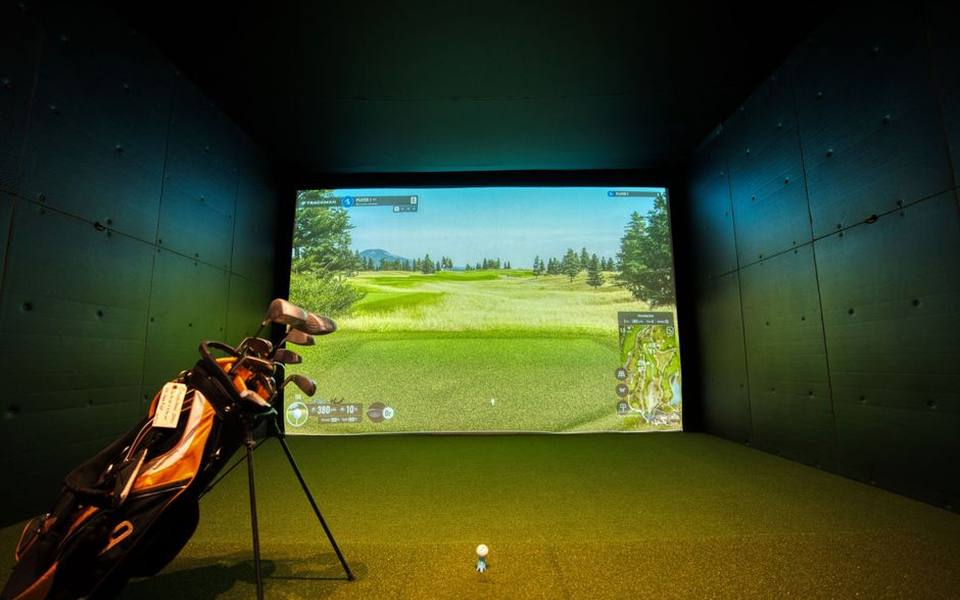
Facilities equipped with radar or optical tracking systems provide shot metrics like ball speed, launch angle, and carry distance directly to an interactive touchscreen monitor. Practicing at ranges with ball-tracking technology often costs between $25 and $60 per bay per hour during daytime hours, with evening or weekend prime-time rates running somewhat higher depending on the market and regional demand.
When determining how much do driving ranges cost for your specific goals, consider what data you actually need. If your objective is simply building basic muscle memory and seeing general ball flight, an inexpensive basket at a public municipal range provides outstanding value. If you need pinpoint yardages and launch statistics to dial in your equipment, paying the hourly premium for an analytical bay is often worth the extra investment.
Operating Schedules and Closing Hours
A common question among working golfers is what time does the driving range close, especially during the workweek. Operating schedules vary substantially depending on seasonal daylight, neighborhood lighting ordinances, and the facility type. Standalone municipal ranges without floodlights typically operate strictly from sunrise until dusk, closing their dispenser doors roughly thirty minutes before the sun dips below the horizon.
Conversely, facilities featuring powerful stadium illumination cater specifically to after-work crowds. Choosing lighted driving ranges allows you to hit balls well into the night, with many suburban centers keeping the lights on until 9:00 PM or 10:00 PM on weeknights and extending toward 11:00 PM on Fridays and Saturdays during the spring and summer months.
Keep in mind that ranges operate with two distinct closing times: last call for ball sales and the moment the gates lock. Range pickers need clear fields to gather balls safely, so automated ball dispensers almost always shut off 30 to 45 minutes prior to the facility closing down. Furthermore, many venues hold weekly maintenance mornings, opening several hours late on Mondays or Tuesdays to perform complete clean-picks and outfield mowing.
First Steps for Beginners Stepping on the Range
Arriving at a driving range for beginners can feel slightly intimidating, but practice grounds are inherently informal spaces welcoming golfers of every skill tier. You do not need to bring a complete set of fourteen expensive clubs or wear specialized golf shoes to start. A comfortable pair of athletic sneakers, flexible athletic clothing or a casual polo shirt, and two or three borrowed or secondhand clubs are all you need for an enjoyable first visit.
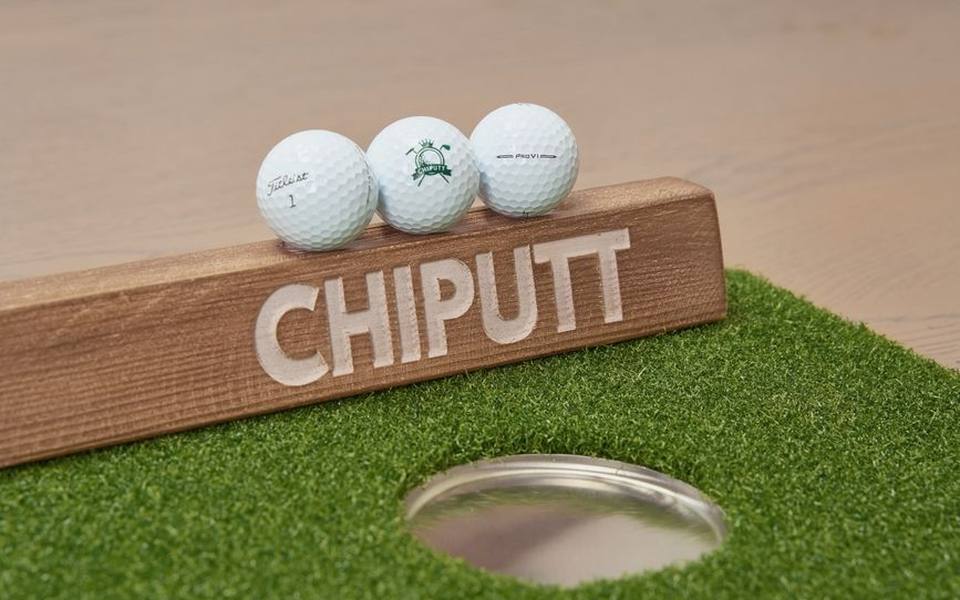
When selecting clubs for your opening session, leave the driver in the bag for a while. Longer clubs with minimal face angle are notoriously difficult to control and can create early frustration. Instead, start with a forgiving mid-iron like a 7-iron, an 8-iron, or a pitching wedge. These shorter clubs feature plenty of loft, making it vastly easier to lift the ball cleanly into the air and develop consistent hand-eye coordination.
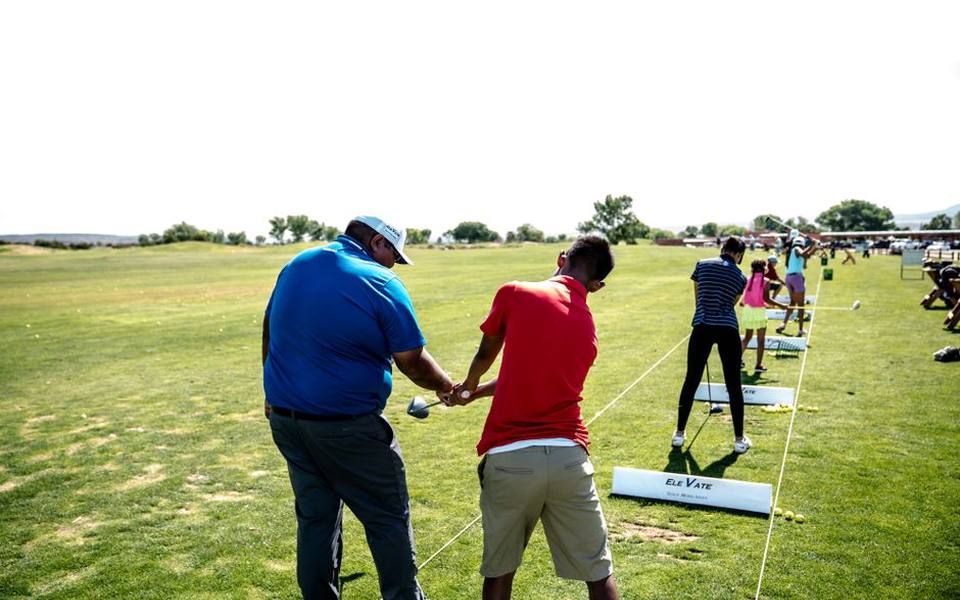
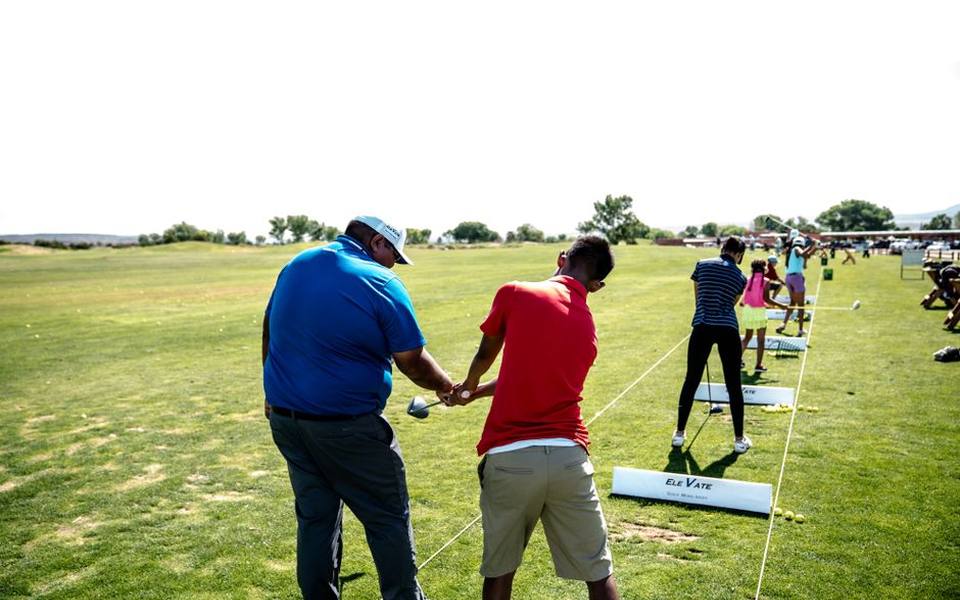
If you find yourself struggling with the basic grip or posture, consider booking an introductory session through driving ranges with golf lessons before bad habits take root. A single thirty-minute lesson from a certified teaching professional can save you weeks of trial and error, giving you a clear, repeatable swing checkpoint to practice every time you step into the hitting stall.
Structuring an Intentional Practice Routine
One of the most valuable golf driving range tips is to avoid rapid-fire swinging, commonly referred to among coaches as machine-gunning through a bucket. Tipping a hundred balls onto the mat and hitting them in rapid succession without stopping creates physical fatigue, ruins your tempo, and merely reinforces mechanical flaws. True improvement comes from deliberate, high-focus repetitions that simulate actual course conditions.
Organize your practice session using a progressive pyramid structure. Begin your first ten to fifteen balls with half-swings using your sand wedge or pitching wedge to warm up your back muscles, shoulders, and hips. Once your body feels warm, transition into your mid-irons, hitting five to seven balls with each club while focusing on clean, centered face contact rather than swinging for maximum speed.
As you work your way up to hybrids, fairway woods, and finally the driver, take a full step out of the stall between every single shot. Reset your feet, glance at your selected fairway target, take a deep breath, and walk into the shot with your regular pre-shot routine. Practicing with this rhythm ensures that every ball you hit carries mental intent, making your range work transfer seamlessly onto the actual course.
Target Selection, Alignment, and All-Weather Stalls
A critical mistake many players make during practice is firing balls aimlessly into the middle of the range field without choosing a definite target. The outfield is expansive, which creates an optical illusion where poorly struck shots look acceptable simply because they landed somewhere on the turf. Practical driving range tips always emphasize picking an exact target flag, distance marker, or yardage pole for every shot you address.
To make certain your body is pointed where you think it is, lay an extra golf club or an inexpensive alignment stick flat on the mat parallel to your intended target line. Standing inside a square bay frame can easily distort your visual perspective, leading golfers to compensate unconsciously with an over-the-top swing. Proper physical alignment markers ensure your clubface and shoulder alignment remain neutral throughout your session.
Inclement weather should not derail your practice schedule either. Looking into covered driving ranges provides access to overhead shelters, radiant infrared heaters, and windbreaks that keep hitting stations dry and comfortable even during freezing rain or midday summer heat. Sheltered bays allow you to maintain weekly practice continuity regardless of seasonal storms rolling through your area.
Range Safety and Proper Turf Etiquette
Range etiquette revolves primarily around player safety and environmental awareness. The cardinal rule of every practice facility is that you must never step forward beyond the designated hitting line under any circumstances. If a ball dribbles a few feet in front of your mat or an errant clubhead slips forward, leave it. Stepping into the outfield places you directly in the crossfire of adjacent bays and creates serious risk.

If you are hitting from natural grass rather than synthetic mats, understanding proper divot management is essential for preserving the turf. Never scatter random circular divots across your hitting station, and avoid digging broad, trench-like gouges into the soil. Instead, practice the linear divot pattern by placing your next golf ball directly along the back edge of the previous divot mark.
Linear divot lines consume far less turf area than scattered craters, allowing maintenance crews to reseed and topdress the grass efficiently so the tee box recovers within a few weeks. In addition, always be mindful of your physical space: keep your golf bag well behind the safety walkway, keep your voice at a moderate level, and step away from the hitting line when taking phone calls.
Maximizing Value Beyond the Full Swing Stalls
To extract the highest possible value from your practice fees, take advantage of the complimentary practice amenities that accompany most driving ranges. A complete golf swing represents only a portion of your overall scoring potential; roughly half of all strokes taken during a typical round happen within fifty yards of the hole on putting and chipping surfaces.
Before or after hitting your bucket, spend twenty to thirty minutes on the facility's dedicated chipping greens and putting surfaces, which are almost always free to use for paying range customers. Rolling putts on real grass greens develops touch, distance control, and green-reading confidence that cannot be simulated from a driving range mat alone.
Finally, remember that range balls fly differently than premium on-course golf balls. Facilities utilize durable, cut-resistant covers and lower-compression solid cores to withstand hundreds of strikes per week, which typically reduces overall carry distance by roughly five to ten percent. Focus your attention on solid center contact and consistent start lines rather than fixating strictly on raw distance numbers.
Published 2026-09-20 · reviewed with each rebuild, last September 2026.
Find driving ranges near you
The directory lists 3,693 driving ranges by state and city — pick your state or use the “Near me” button in the header.
More guides
-
 Buying
Realistic Costs and Equipment Needed for a Home Golf Simulator
-
 Service
Golf Club Maintenance: Regripping and Reshafting Guide
-
 Money
MoneyGolf Lessons Cost and Beginner Guide: What to Expect and How to Budget
-
 Buying
Golf Club Fitting Cost and Selection Guide
-
 Buying
A Practical Guide to Buying, Selling, and Trading In Used Golf Clubs
-
 Service
Fixing Topped Shots and Improving Ball Striking on the Range
-
 Buying
Best Golf Launch Monitors Buying Guide: Space, Tech, and Budget
-
 Buying
The Complete Guide to Buying Used Golf Clubs and Pre-Owned Equipment
-
 Buying
How to Choose the Best Local Golf Shop and Pro Shop Services
-
 Owning
Miniature Golf and Putt-Putt Guide: Rules, Courses, and Family Fun
-
 Service
Complete Guide to Custom Golf Fitting and Shaft Selection
-
 Buying
Complete Guide to Buying and Maintaining Golf Shoes and Cleats
-
 Owning
Designing and Installing Indoor and Backyard Putting Greens
-
 Service
Golf Swing Analytics, Speed Training, and Shot Tracking Systems
-
 Buying
Golf Practice Nets, Driving Mats, and Backyard Hitting Setups
-
 Buying
How to Buy Used Golf Clubs and Get the Best Demo Day Deals
-
 Owning
Custom Golf Gear Personalization: Stampers, Bags, and Embroidery
-
 Buying
Selecting and Setting Up Home Golf Simulators and Launch Monitors
-
 Service
Choosing Golf Academies, Lessons, and Coaching Programs
-
 Buying
Custom Golf Club Fitting: Shafts, Clubheads, and Specifications
-
 Service
Entertainment Driving Ranges: Planning Group Outings, Corporate Events, and Bachelor Parties
-
 Service
Mini Golf, Footgolf, and Indoor Golf: Complete Venue Guide and Directory
-
 Owning
Tournaments, Scoring Tech, and Gear Upkeep: The Modern Golfer's Guide
-
 Buying
Golf Equipment and Club Fitting Guide: Starter Sets, Drivers, and Custom Builds
-
 Buying
Finding the Right Golf Pro Shop and Equipment Retailer
-
 Owning
Designing and Hosting Mini Golf Events: Indoor Party Venues and Practice Games
-
 Buying
Indoor Golf Practice and Launch Monitors: How to Build Your Studio
-
 Buying
Golf Laser Rangefinders Buyer's Guide: Features, Accuracy, and Value
-
 Owning
Golf Club Groove Maintenance: Tools, Techniques, and Equipment Care
-
 Buying
Commercial Golf Green Mowers: Maintenance, Selection, and Buying Guide
-
 Owning
Best Mobile Golf Simulators and Games for Practice and Play
-
 Owning
Fixing Heavy Contact, Managing Distance, and Choosing Cold-Weather Gear
-
 Buying
Club Car Golf Carts: The Practical Guide to Buying, Inspecting, and Customizing
-
 Owning
Complete Guide to Putt-Putt Games: History, Titles, Platforms, and Walkthroughs
-
 Service
Top Sports Bars and Lounges: How to Pick the Best Game-Day Spots in NYC and Florida
-
 Safety
24-Hour Gun and Shooting Ranges: Availability, Rules, and Finding Round-the-Clock Facilities
-
 Owning
Golf Green Mobile Estates: Guide to Golf Community Living and Amenities