Navigating Modern Golf Instruction and Coaching Formats
Choosing the right golf instruction comes down to matching your current skill stage, budget, and learning preferences with an instructor's specific communication style. Whether you want to learn golf from scratch or refine single-digit handicap ball-striking, modern instruction ranges from brief half-hour tune-ups to comprehensive multi-day immersion schools. Understanding how to evaluate credentials, facility amenities, and coaching philosophies will save you substantial money and prevent months of unproductive swing confusion on the practice tee.
Many players mistakenly assume that booking a private lesson with the head professional at an exclusive private club is the only reliable way to improve. In reality, modern golf instruction is highly diversified. Beginners often thrive in small-group cohorts where social pressure is low and foundational rules are taught alongside mechanics. Intermediate and advanced players, meanwhile, typically benefit more from high-speed video diagnostics, pressure mat force plates, and specialized short-game training to uncover marginal gains.
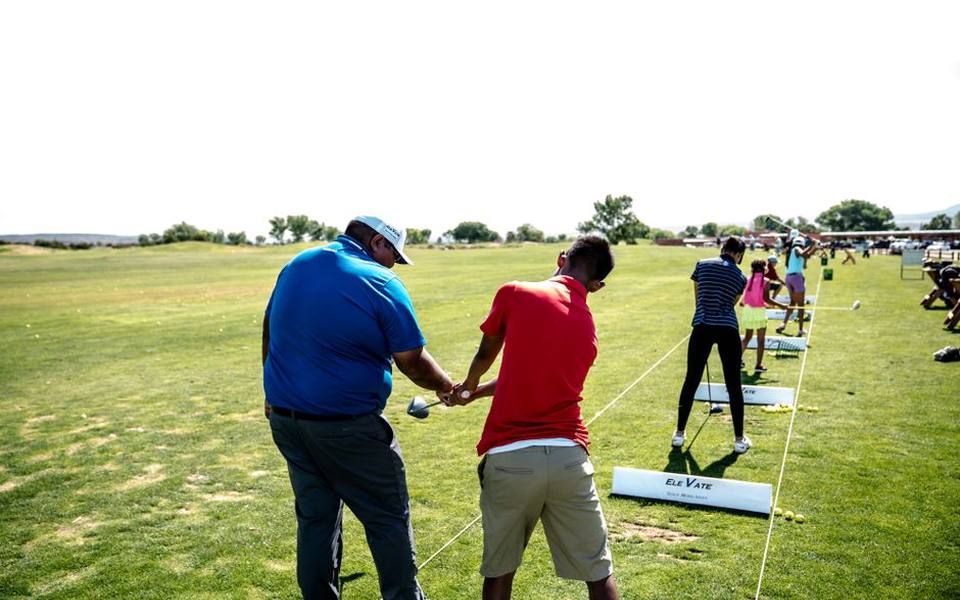
Before booking any lesson package, take an honest inventory of what your game genuinely requires. A high-handicapper struggling with an uncontrollable slice needs vastly different guidance than a competitive junior preparing for tournament qualifiers. Taking time to review established driving ranges with golf lessons allows you to observe coaches on the lesson tee, inspect their teaching aids, and gauge their communication demeanor before investing in an extended coaching program.
Beginner Programs and the Golf Ready Pathway
For newcomers entering the sport, the learning curve can feel intimidating without structured support, which is why standardized beginner formats like a Get Golf Ready academy program have become standard nationwide. These group classes typically run across four to six weekly sessions designed to take a novice from holding a club to navigating several regulation holes with confidence. You learn grip, athletic posture, alignment, and basic swing tempo in a welcoming setting alongside fellow adult learners.
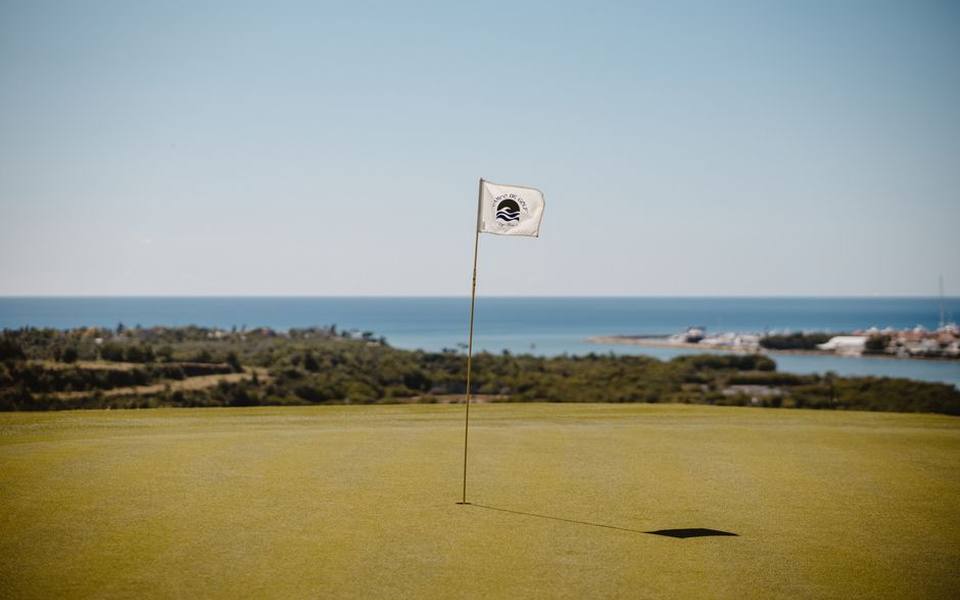
Group beginner programs usually keep out-of-pocket costs modest, often running at a fraction of the cost of private one-on-one sessions while still offering personalized mechanical adjustments. A standard curriculum covers iron strikes, hybrid launch, driver setup, and foundational short-game touch around the putting green. Instructors also cover essential course etiquette, such as where to leave your bag around greens, how to repair pitch marks, and how to maintain acceptable pace of play.
If you are eager to step onto a course without hesitation, asking whether a local facility runs an introductory cohort is an ideal first move. Always inquire whether the facility provides equipment loans during class hours for participants who do not own a set yet. Reputable beginner academies ensure newcomers practice with properly weighted, modern loaner clubs rather than struggling with hand-me-down clubs that feature incorrect lengths, improper lie angles, or excessively stiff shafts.
Elite Destination Schools and Resort-Style Immersion
On the opposite end of the instruction spectrum are luxury resort academies, where golfers spend several consecutive days undertaking intensive swing overhauls. High-end programs modeled after destination institutions like a coastal golf academy Pebble Beach experience combine world-class practice complexes with on-course playing lessons on championship layouts. These schools maintain very low student-to-teacher ratios, comprehensive fitness evaluations, and customized digital development plans tailored to individual physical capabilities.
Destination schools rely heavily on diagnostic technology, deploying dual-angle high-speed cameras, 3D motion capture sensors, and launch monitors to analyze ball flight characteristics. Because participants spend six or more hours per day focused exclusively on their mechanics, motor learning adapts quickly compared to sporadic monthly lessons. However, players must plan for physical stamina; hitting hundreds of balls over three back-to-back days can produce fatigue, blistered fingers, and muscular soreness if practice volume is not properly managed.
When exploring intensive multi-day academies across regional golf destinations like driving ranges in California, examine their post-clinic student support structures. A common drawback of destination schools is returning to your home course only to lose your newly acquired feels within two weeks. Top-tier academies counter this by providing recorded video voiceovers from your instructor, customized practice drills, and scheduled virtual follow-up evaluations once you return home.
Regional Hubs and Metro Programs in Cold Climates
Golfers residing in northern metropolitan areas encounter seasonal interruptions that demand year-round instruction solutions. An urban golf academy Chicago facility or Midwest regional program cannot depend solely on open-air grass tees between November and April. Consequently, leading coaches in cold-weather markets design hybrid programs that transition seamlessly from manicured outdoor practice lawns during warm months to cutting-edge indoor training centers when winter conditions arrive.
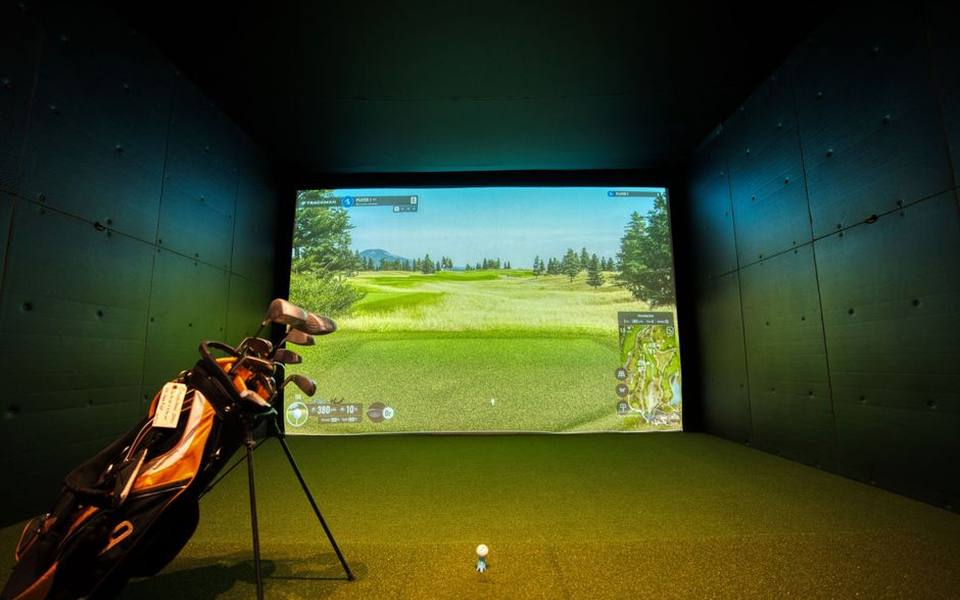
During winter months, students shift into climate-controlled indoor golf and simulator bays equipped with optical cameras and radar tracking units. Winter indoor training often accelerates mechanical changes because golfers cannot track ball flight across three hundred yards. Without the visual distraction of where the ball lands, players can focus entirely on clubface angle, kinematic body sequencing, hip rotation, and swing plane adjustments without worrying about erratic ball dispersion.
If you live in the upper Midwest or Northeast and want unbroken development, search for training centers that maintain winter simulator leagues alongside regular instruction. Finding quality driving ranges in Illinois with heated covered bays or indoor bays lets you preserve swing speed and ball-striking habits year-round, ensuring your swing mechanics remain sharp and repeatable when outdoor courses reopen each spring.
Active Adult and Retirement Community Academies
Swing mechanics and instructional priorities naturally evolve as golfers advance in age or encounter reduced joint flexibility. In large-scale master-planned retirement developments, exemplified by a golf academy The Villages setup in central Florida, coaching emphasizes effortless rotational efficiency, hip protection, and joint longevity over aggressive modern torque. Seasoned instructors working with senior golfers focus on sound fundamentals that maximize distance without placing unnecessary strain on the lumbar spine or wrists.
Coaching in active adult communities heavily incorporates fairway woods, high-launch hybrids, and tactical course management to offset natural decreases in clubhead speed. Instructors help senior golfers adjust their tee-shot launch angles and dial in reliable fairway wood play, turning what could be difficult long-iron approaches into consistent scoring opportunities. Developing exceptional touch on chips, pitches, and bunker shots allows older golfers to maintain low handicaps regardless of their total carry yardage.
Many retirement community academies host recurring group clinics covering situational trouble shots, such as handling tight Bermuda grass lies, downhill chips, and sidehill fairway stances. For seasonal snowbirds and year-round retirees exploring driving ranges in Florida, community group clinics provide an enjoyable social environment where golfers practice together, exchange helpful course insights, and test their newly developed drills during afternoon rounds on local executive courses.
Youth Pathways: Junior Camps and Developing Young Players
Nurturing a healthy relationship with golf begins with youth programs that blend athletic mechanics with genuine fun. A well-organized junior golf camp introduces young children to the game through interactive games, target competitions, and team challenges rather than rigid technical drills. Developing hand-eye coordination, balance, and core rotation through varied movement patterns builds an athletic base that makes golf swings feel intuitive and unforced as kids grow.
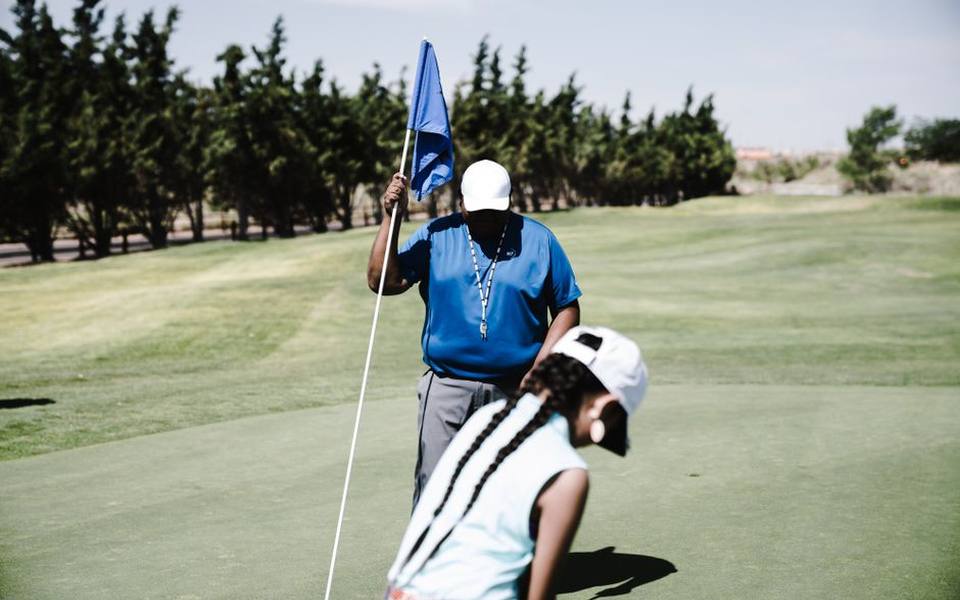
As young golfers advance in maturity and skill, academy curricula evolve toward competitive preparation, rules comprehension, and formal course management. Coaches guide promising players into competitive junior golf events, ranging from regional nine-hole junior tours to high school team tryouts and state qualifiers. Participating in competitive tournaments teaches young players self-reliance, emotional composure under pressure, and how to keep an accurate, honest scorecard according to the Rules of Golf.
When vetting junior summer camps or weekend youth academies, pay close attention to student-to-coach ratios and formal background certifications. High-caliber junior programs generally cap supervision at five or six young golfers per instructor to guarantee individual attention and absolute range safety. Coaches must enforce strict safety boundaries regarding swing spacing, walking paths along the tee line, and mandatory hydration during hot summer afternoon sessions.
Women's Golf Clinics and Welcoming Group Formats
Historic barriers and intimidating range environments have often discouraged female beginners, but the expansion of targeted women's coaching has reshaped golf culture. A well-planned golf clinic for women delivers an encouraging, supportive setting where students can explore the game alongside peers without pressure or patronizing feedback. These clinics frequently blend targeted instruction with social interaction, featuring post-session gatherings, scrambles, and open question forums that demystify golf culture.
Experienced female and male instructors design women's clinics around maximizing swing efficiency, optimizing launch angles, and developing natural rhythm. Because many women generate clubhead speed differently than men, instruction focuses on leveraging ground reaction forces, completing a full shoulder turn, and matching equipment weights to swing speed. Gaining confidence on practice tees directly translates into feeling comfortable standing over an opening tee shot on a crowded Saturday morning.
If you are considering learning the game or returning after an extended hiatus, check with local municipal and public courses for multi-week women's clinic series. These programs frequently follow progressive modules, starting with green-side putting and chipping fundamentals before moving back to mid-iron strikes, hybrid fairway wood play, and full driver swings. Learning in an organized group of peers turns practice into an enjoyable routine rather than an intimidating solo task.
Specialized Putting Techniques and AimPoint Certified Instruction
While dramatic driver strikes dominate range sessions, roughly forty percent of all golf strokes take place on the putting surface. Over recent years, green reading has shifted away from subjective visual guesswork toward structured, repeatable biomechanical systems. Seeking out certified AimPoint golf instructors has gained widespread traction among amateur and competitive players who struggle to read subtle breaks, judge uphill slopes, or commit to precise starting lines on fast greens.
The AimPoint system trains golfers to gauge green slope using physical balance and foot pressure rather than relying solely on visual inspection, which optical illusions and background mountain contours can easily deceive. By feeling the percentage of side slope beneath their shoes, golfers calculate a reliable aim point and align their putter face with absolute conviction. Attending a dedicated two-hour green-reading clinic often resolves chronic misreads and immediately reduces three-putts on unfamiliar courses.
In addition to green-reading clinics, comprehensive putting instruction evaluates putter face angle at impact, roll consistency, and distance calibration. Putting remains the single discipline in golf where physical height, raw strength, and high swing speed offer zero competitive advantage. Spending your coaching budget on dedicated short-game lessons or specialized putting clinics frequently yields faster handicap reductions than spending months attempting to rebuild an iron swing from the ground up.
Range Facilities, Sports Complexes, and Dedicated Academy Drives
The physical layout of an instructional facility directly impacts how effectively you absorb and retain mechanical adjustments. Whether you are training at a multisport training complex featuring a golf academy sports facility or an expansive residential course setup like a golf academy at Terra Cotta setting, the practice environment matters. Premier facilities feature dedicated practice drives, separate short-game greens with practice bunkers, and natural grass tee lines rather than worn, hard mats.
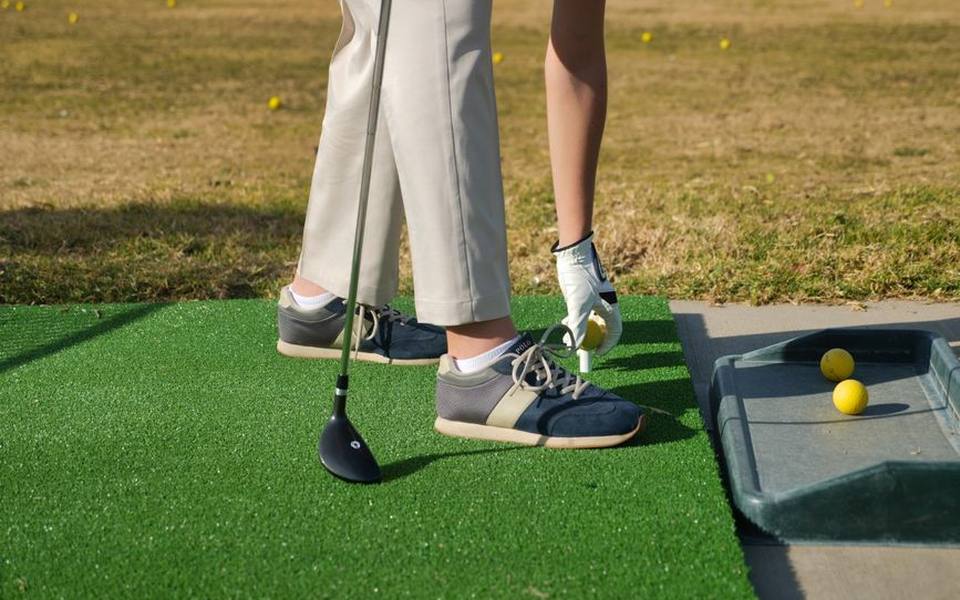
High-grade practice amenities include laser-measured yardage targets, contoured chipping greens that accept spin realistically, and putting greens that mirror the green speeds found on championship courses. When practicing on thin artificial turf mats, fat strikes can bounce into the ball and create the illusion of clean contact. Quality teaching centers use high-grade synthetic turf mats with forgiving shock-absorbing layers or provide rotating natural grass tees that offer honest turf-interaction feedback.
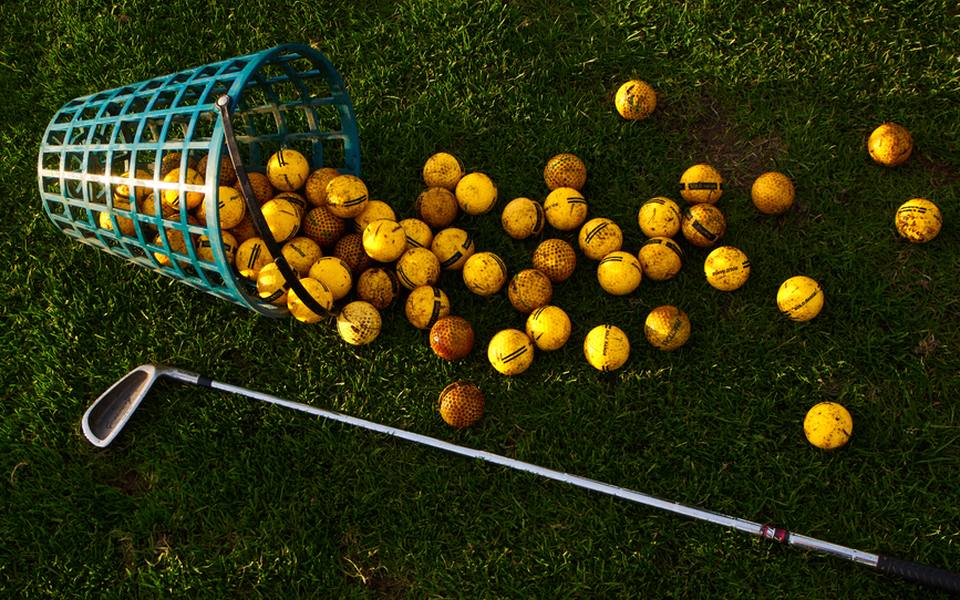
Take note of the range balls supplied at any academy you consider visiting. Striking worn, hard-surfaced range balls with degraded dimple patterns produces irregular spin rates, unpredictable curves, and false distance readings. Top academies supply clean, modern, multi-layer practice balls that fly true to standard specifications, ensuring that the swing adjustments you make on the lesson tee translate accurately when you play on a regulation course.
Structuring Lesson Cadence, Club Fitting, and Practice Routines
Booking a single lesson and expecting instant, permanent improvement is a common trap for recreational golfers. Physical changes to a golf swing demand deliberate practice, focused repetition, and sufficient time between coaching sessions. Spacing private lessons two to three weeks apart gives your neuromuscular system the necessary runway to ingrain new swing thoughts and movement feels before introducing additional technical concepts to your routine.
Swing mechanics must never be evaluated in total isolation from the equipment you swing. Even an exceptional swing motion will yield poor trajectory, excessive dispersion, and erratic strikes if your shaft flex is improperly matched or iron lie angles do not fit your address posture. Scheduling a comprehensive club fitting ensures your clubs complement your developing mechanics rather than forcing you into unnatural compensations during your swing.
When practicing between coaching sessions, prioritize focused drill repetitions over rapid-fire ball hitting. Hitting thirty balls with deliberate pre-shot routines, alignment sticks, and specific target intentions yields vastly superior long-term results compared to rapidly hitting a hundred balls without a clear objective. Keep a concise practice log on your phone or record brief swing clips down the line to share with your coach at your next instructional check-in.
Published 2026-09-21 · reviewed with each rebuild, last September 2026.
Find driving ranges near you
The directory lists 3,693 driving ranges by state and city — pick your state or use the “Near me” button in the header.
More guides
-
 Buying
Realistic Costs and Equipment Needed for a Home Golf Simulator
-
 Service
Golf Club Maintenance: Regripping and Reshafting Guide
-
 Money
MoneyGolf Lessons Cost and Beginner Guide: What to Expect and How to Budget
-
 Buying
Golf Club Fitting Cost and Selection Guide
-
 Buying
A Practical Guide to Buying, Selling, and Trading In Used Golf Clubs
-
 Money
MoneyDriving Range Costs, Practice Routines, and Range Etiquette
-
 Service
Fixing Topped Shots and Improving Ball Striking on the Range
-
 Buying
Best Golf Launch Monitors Buying Guide: Space, Tech, and Budget
-
 Buying
The Complete Guide to Buying Used Golf Clubs and Pre-Owned Equipment
-
 Buying
How to Choose the Best Local Golf Shop and Pro Shop Services
-
 Owning
Miniature Golf and Putt-Putt Guide: Rules, Courses, and Family Fun
-
 Service
Complete Guide to Custom Golf Fitting and Shaft Selection
-
 Buying
Complete Guide to Buying and Maintaining Golf Shoes and Cleats
-
 Owning
Designing and Installing Indoor and Backyard Putting Greens
-
 Service
Golf Swing Analytics, Speed Training, and Shot Tracking Systems
-
 Buying
Golf Practice Nets, Driving Mats, and Backyard Hitting Setups
-
 Buying
How to Buy Used Golf Clubs and Get the Best Demo Day Deals
-
 Owning
Custom Golf Gear Personalization: Stampers, Bags, and Embroidery
-
 Buying
Selecting and Setting Up Home Golf Simulators and Launch Monitors
-
 Buying
Custom Golf Club Fitting: Shafts, Clubheads, and Specifications
-
 Service
Entertainment Driving Ranges: Planning Group Outings, Corporate Events, and Bachelor Parties
-
 Service
Mini Golf, Footgolf, and Indoor Golf: Complete Venue Guide and Directory
-
 Owning
Tournaments, Scoring Tech, and Gear Upkeep: The Modern Golfer's Guide
-
 Buying
Golf Equipment and Club Fitting Guide: Starter Sets, Drivers, and Custom Builds
-
 Buying
Finding the Right Golf Pro Shop and Equipment Retailer
-
 Owning
Designing and Hosting Mini Golf Events: Indoor Party Venues and Practice Games
-
 Buying
Indoor Golf Practice and Launch Monitors: How to Build Your Studio
-
 Buying
Golf Laser Rangefinders Buyer's Guide: Features, Accuracy, and Value
-
 Owning
Golf Club Groove Maintenance: Tools, Techniques, and Equipment Care
-
 Buying
Commercial Golf Green Mowers: Maintenance, Selection, and Buying Guide
-
 Owning
Best Mobile Golf Simulators and Games for Practice and Play
-
 Owning
Fixing Heavy Contact, Managing Distance, and Choosing Cold-Weather Gear
-
 Buying
Club Car Golf Carts: The Practical Guide to Buying, Inspecting, and Customizing
-
 Owning
Complete Guide to Putt-Putt Games: History, Titles, Platforms, and Walkthroughs
-
 Service
Top Sports Bars and Lounges: How to Pick the Best Game-Day Spots in NYC and Florida
-
 Safety
24-Hour Gun and Shooting Ranges: Availability, Rules, and Finding Round-the-Clock Facilities
-
 Owning
Golf Green Mobile Estates: Guide to Golf Community Living and Amenities