Why Pre-Owned Golf Equipment Makes Sense for Most Players
Buying used golf clubs is often the smartest route for recreational golfers, beginners, and seasoned players looking to upgrade without paying showroom prices. Modern golf technology evolves on an incremental basis year over year. The performance difference between a brand-new driver released this season and a well-maintained model from three or four seasons ago is typically negligible for anyone without a scratch handicap, yet the price difference can easily exceed fifty percent.
New golf clubs suffer steep initial depreciation the moment the plastic wrap comes off the clubhead. Much like driving a new car off the dealer lot, buying factory-fresh equipment means absorbing that immediate financial hit. In contrast, second-hand clubs hold their residual value remarkably well over several seasons, meaning you can play them for a year or two and resell them with minimal net loss.
Beyond financial savings, the secondary market allows you to build a cohesive bag tailored specifically to your swing dynamics. Instead of buying a rigid, off-the-rack boxed set that might contain clubs you rarely hit, purchasing individual pre-owned components allows you to match forgiving irons, versatile hybrids, and manageable fairway woods that fit your current game.
What to Inspect When Evaluating Pre-Owned Equipment
A thorough physical inspection is essential whenever you evaluate pre-owned clubs in person or review photographs online. Start with the clubfaces, specifically looking at the center scoring grooves. Irons with heavy browning in the sweet spot have seen tens of thousands of impacts, which diminishes spin control and launch consistency. Light cosmetic scratching along the sole and face is standard wear, but deep rock dings, metal gouges, or worn-down groove edges should give you pause.
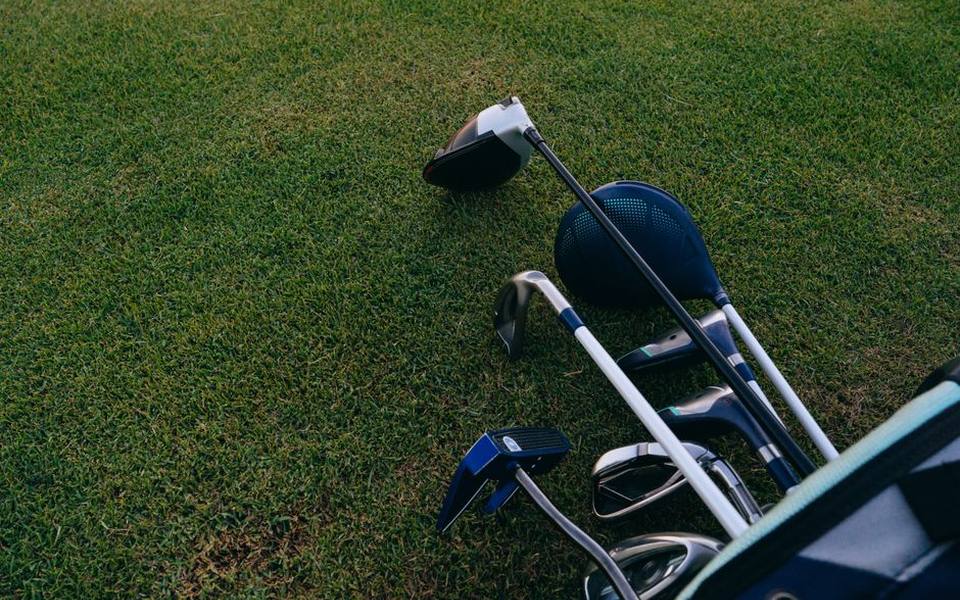
Shafts require just as much scrutiny as the clubheads themselves. For steel shafts, check carefully along the length for slight bends, rust pitting under the chrome, or loose ferrules above the hosel. For graphite shafts, run your fingers along the shaft to feel for micro-cracks, deep bag rub where the material rested against club dividers, or soft spots that compromise structural integrity. A compromised shaft will alter ball flight and can snap during an ordinary swing.
Finally, examine the grips and hosel connections. Worn, slippery, or cracked grips are an easy fix, but the cost of replacing rubber grips across a full set can add up quickly and should be factored into the purchase price. At the hosel, ensure the shaft sits flush without any twisting or gaps, which could indicate failing epoxy or unauthorized home alterations.
Understanding Secondary Market Pricing and True Club Value
The market value of secondhand golf gear depends on four primary factors: brand reputation, original release date, physical condition grade, and shaft specification. Premium original equipment manufacturers retain stronger resale pricing over five to seven years compared to lesser-known package sets. A club released three years ago in very good condition typically trades for roughly forty to fifty percent of its original retail price.
Shaft specifications play an outsized role in secondhand valuations. Standard regular and stiff flex shafts in popular stock profiles sell quickly and command predictable market rates. Senior flex shafts, extra-stiff tour profiles, or high-end aftermarket shafts may alter pricing in unpredictable ways. An exotic aftermarket driver shaft can sometimes be worth more than the driver head attached to it, while non-standard flexes can sit on shelves for months.
Condition grading scales on major resale platforms usually range from mint to value condition. A mint or like-new club shows virtually no ball marks and might simply be an opened pro-shop return. Excellent condition displays minor cosmetic blemishes that do not affect play. Value condition features visible paint chips, sky marks on driver crowns, and noticeable face wear, which lowers the price considerably while offering identical performance.
Where to Search for Reliable Secondhand Golf Clubs
Finding reliable pre-owned gear comes down to balancing price against buyer protection. Dedicated online pre-owned golf portals, including manufacturer-certified pre-owned outlets, are usually the safest platforms. These outlets thoroughly inspect serial numbers, clean and grade inventory accurately, and often provide thirty-day money-back guarantees alongside authentic warranties, giving buyers peace of mind that justifies a modest premium.
General online peer-to-peer marketplaces offer the lowest entry prices but require significantly more vigilance from the buyer. When shopping on direct peer platforms, always ask for detailed, high-resolution photographs of the clubface, crown, shaft band, and sole serial numbers. Beware of listings with generic stock photos or prices that appear unrealistically low for current-generation equipment, as counterfeit clubs remain common in unmoderated spaces.
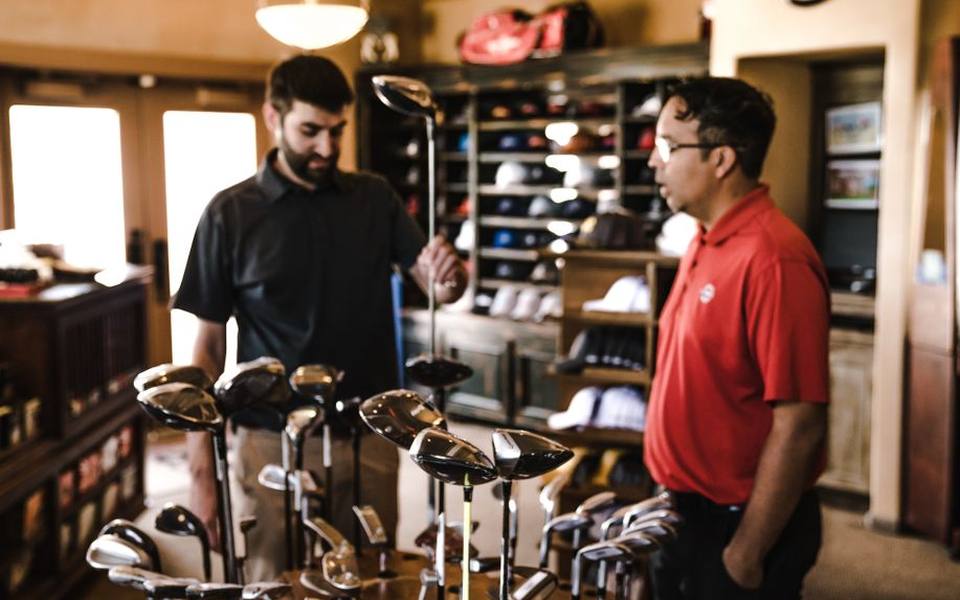
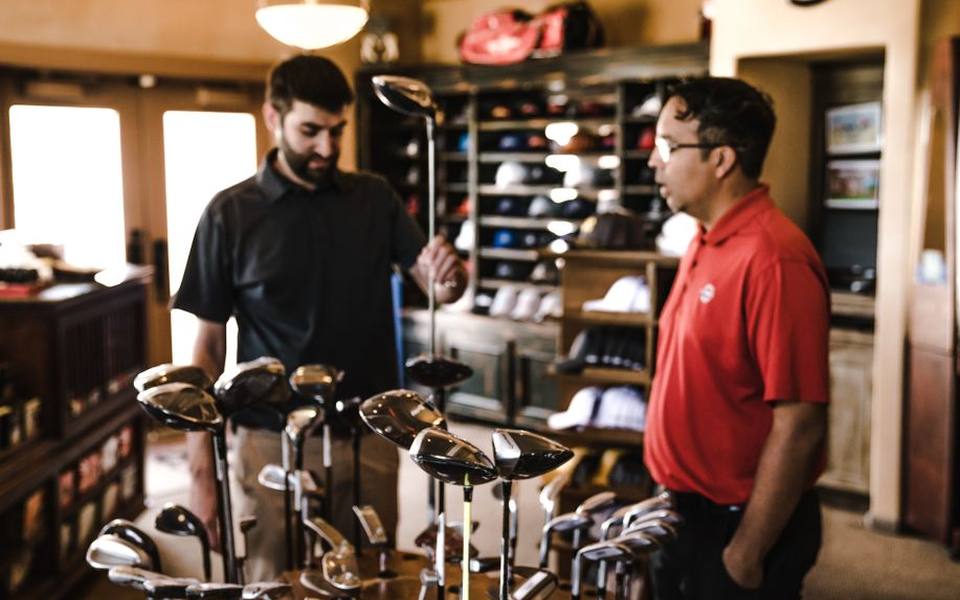
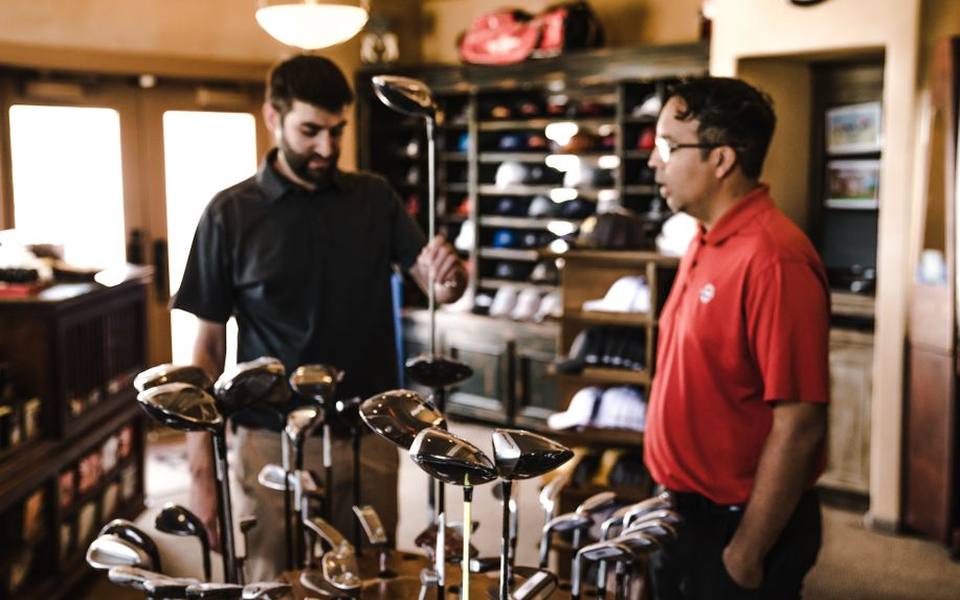
Local pro shops, golf specialty stores, and seasonal gear swaps are fantastic local resources where you can physically hold the clubs before committing cash. Pro shops often accumulate high-end trade-ins from club members upgrading their bags at the start of the season. Shopping locally also eliminates shipping costs and allows you to confirm that the club weight and lie angle feel natural in your hands.
Testing Secondhand Gear Before Finalizing a Deal
Whenever feasible, hit balls with pre-owned clubs before deciding to keep them. Static inspections can tell you if a club is structurally sound, but they cannot tell you whether the shaft profile matches your tempo or if the head delivers the launch window you want. Many independent shops and golf retail outlets offer demo bays or short trial periods to let you test equipment outdoors.
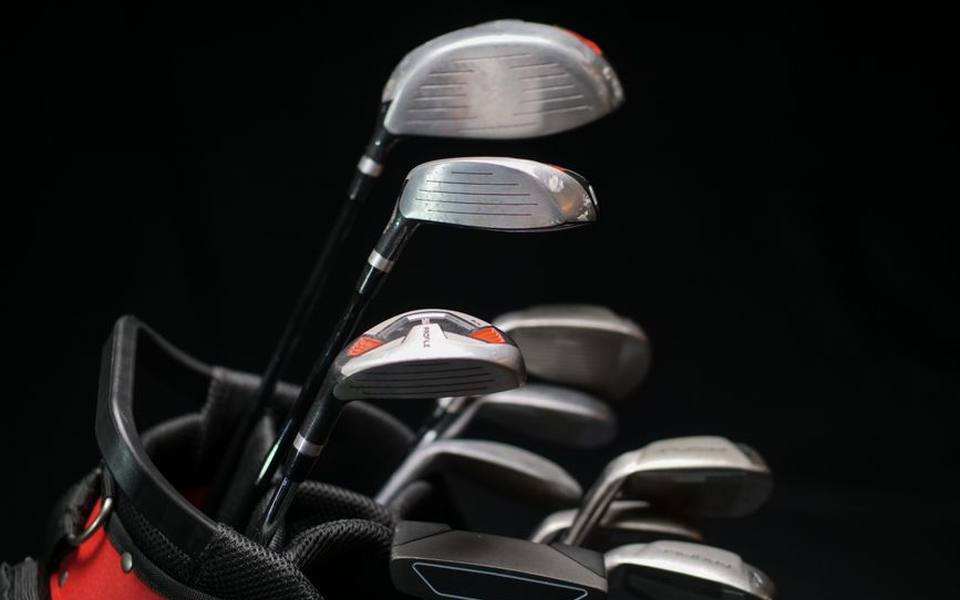
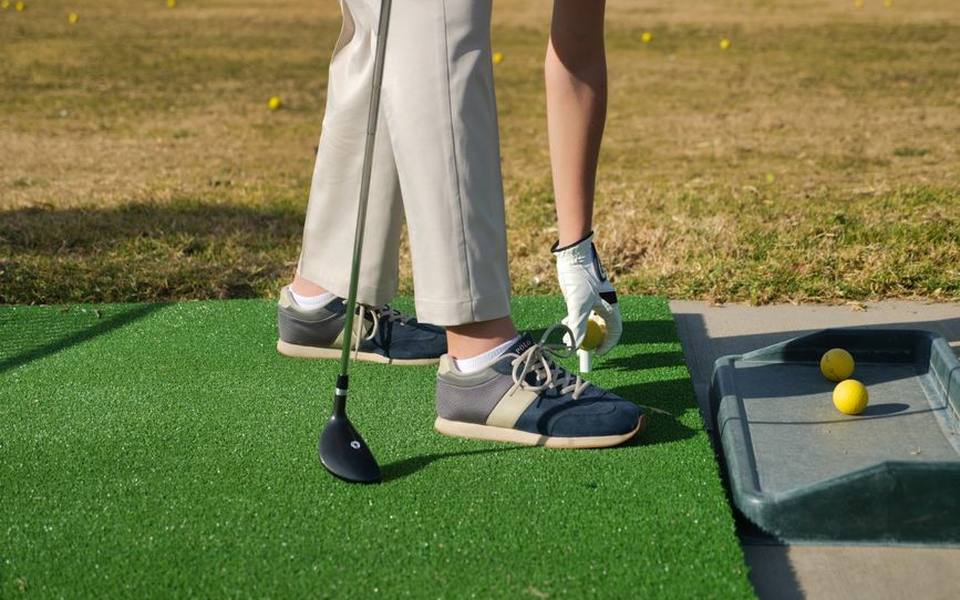
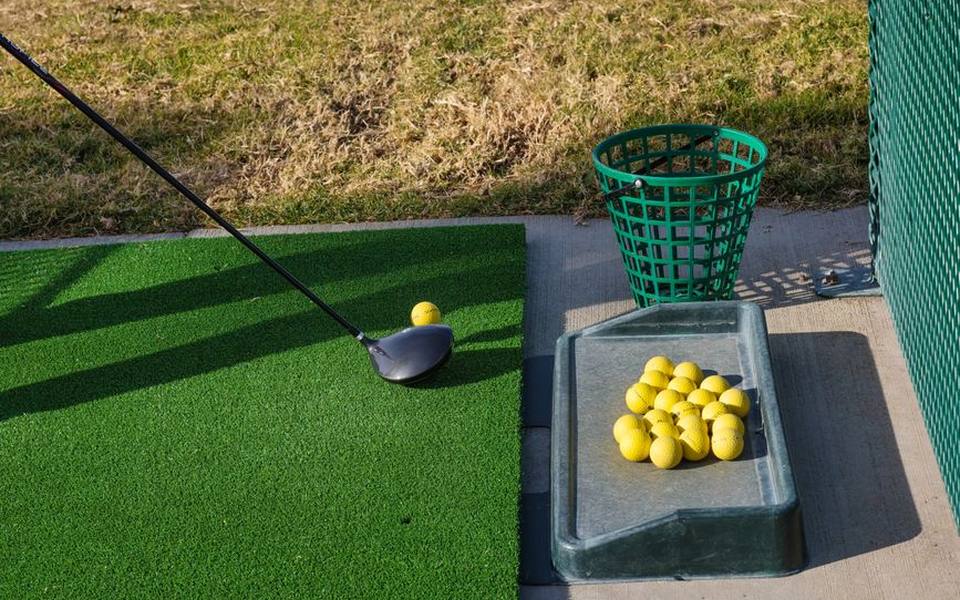
Taking candidate clubs to public golf driving ranges gives you a clear look at real-world ball flight that simulated launch bays cannot fully replicate. Watch how the ball starts on line, whether the turf interaction through impact feels smooth or dig-heavy, and how forgiving the head remains when you strike the ball slightly toward the heel or toe.
For even deeper validation, visiting facilities featuring ranges with ball-tracking technology or spending time in indoor golf and simulator bays provides definitive data on clubhead speed, backspin rates, and carry distance. Comparing your current gamers directly against the candidate used clubs on an accurate launch monitor eliminates guesswork and ensures your new investment actually improves your yardages.
Selecting the Right Pre-Owned Setup for Beginners
New players shopping the used market should focus on forgiveness rather than looks or tour pedigree. Blade irons, compact muscle-backs, and low-spin tour drivers might look sleek in a bag, but they feature small sweet spots that punish mishits with severe distance loss and harsh hand vibration. Beginners will build confidence much faster using wide-sole cavity-back irons with perimeter weighting.
A smart starter bag does not need to contain all fourteen allowable clubs. You can easily navigate eighteen holes with a forgiving high-lofted driver, a versatile five-wood or three-hybrid, a partial iron set running from six-iron through pitching wedge, a forgiving sand wedge, and a perimeter-weighted mallet putter. Buying a curated, partial set of quality secondhand clubs will deliver far better durability and performance than a cheap boxed starter set.
Look for drivers with at least ten and a half or twelve degrees of loft paired with regular or senior flex graphite shafts. Beginners often struggle with launch angle and swing speed, so added loft helps keep tee shots in the air longer and reduces side spin that exaggerates slices. Hybrids are similarly far easier to launch from the fairway or light rough than traditional three- or four-irons.
Evaluating Trade-In Values and Automated Calculators
When it comes time to move on from your old gear, online golf club trade in value calculators give you a solid baseline for wholesale pricing. These digital tools, commonly managed by national golf trade networks and major golf retailers, query an extensive database of historical transaction data to generate instant trade quotes based on your club's make, model, dexterity, and condition rating.
It is vital to understand that automated calculators reflect wholesale trade-in value, not fair private-party resale value. Trade-in outlets must clean, catalog, photograph, store, and resell the inventory while protecting their operational margins and absorbing credit card fees. As a rule of thumb, trade-in valuations typically range between forty and sixty percent of what you could earn by selling the item yourself on the open market.
Despite the lower net payout, trade-ins offer unmatched convenience. You bypass the hassles of listing items online, answering repetitive buyer messages, packing heavy boxes, and worrying about shipping insurance. For golfers who prefer an effortless transaction, handing over an older set at a pro shop counter to discount a new purchase is often well worth the trade-off in gross return.
Selling Your Used Equipment for Top Dollar
If your primary goal is maximizing cash return, selling directly to another golfer through local classifieds, golf forums, or peer online platforms is your best path. The difference between an automated trade-in quote and a direct consumer sale can easily mean an extra hundred dollars or more on an iron set, provided you present the clubs professionally.
Preparation is the single biggest factor in achieving top-dollar sales. Before taking photographs, thoroughly clean the clubheads with warm water, mild dish soap, and a soft-bristle nylon brush to clean out all dirt from the grooves and hosel cavities. Avoid harsh metal brushes or abrasive cleaners that leave scratch marks on polished chrome or satin finishes, which could unnecessarily drop your listing condition grade.
Photograph your gear under natural, diffused lighting outdoors or near a bright window without heavy shadows. Include clear, close-up images of the face grooves, crown, sole, shaft labels, and grips. In your written description, state the exact factory specs if known, including length, lie angle, shaft model, flex, and grip model. Honest disclosure of any cosmetic flaws builds buyer trust and prevents post-sale disputes.
Refurbishing and Tailoring Secondhand Gear to Your Swing
Acquiring pre-owned clubs does not mean you have to settle for how the previous owner set them up. Standard off-the-shelf specs might not suit your height, arm span, or posture. Investing a small amount into custom adjustments can transform an affordable secondhand set into equipment that performs as if it were custom-built for your body.
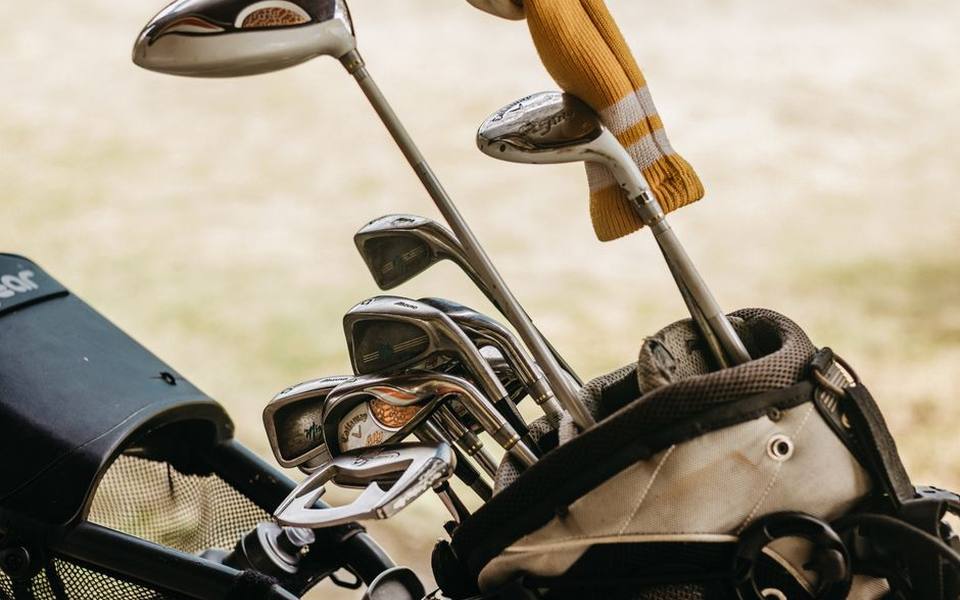
The fastest and most impactful upgrade is replacing aged grips. Fresh rubber restores tackiness, allows you to hold the club with relaxed grip pressure, and ensures proper hand sizing. Dropping off your clubs for professional golf club regripping services allows a technician to install standard, midsize, or jumbo grips aligned cleanly to your preferred address position while you wait.
Beyond grips, you should verify that the iron lofts and lie angles match your ball-striking tendencies. Forged irons can bend over time from hitting off hard artificial mats, causing distance gapping issues between clubs. Visiting a facility that provides comprehensive club fitting measurements allows a professional to bend forged heads back into spec and advise you whether your shafts require lengthening or shortening.
Spotting Counterfeits and Avoiding Structural Lemon Clubs
The counterfeit golf club market has grown sophisticated, with clone manufacturers producing replicas of popular drivers, wedges, and putters that look convincing from a distance. Counterfeit heads are made from cheap cast metals rather than multi-material carbon composites and expensive titanium alloys. As a result, they fail to generate proper ball speed, feel hollow on impact, and often crack after normal practice sessions.
To protect yourself, pay close attention to fonts, paint fill alignments, and manufacturer serial numbers. Genuine clubs have crisp, cleanly stamped serial numbers etched into the hosel or back flange, whereas fake versions often feature thick, crooked, or painted-on digits. You can often call a manufacturer's customer service department directly with the serial number to confirm whether the club matches their production records.
Always check for internal structural problems before finalizing any deal. Shake the club gently near your ear; a loose rattling sound inside the head usually indicates loose epoxy debris or broken internal sound-dampening weights. Tap the sole lightly on a carpeted floor to listen for unexpected buzzing or vibration in the hosel connection, which points to loose bonding that requires repair before the club is safe to swing.
Published 2026-09-20 · reviewed with each rebuild, last September 2026.
Find driving ranges near you
The directory lists 3,693 driving ranges by state and city — pick your state or use the “Near me” button in the header.
More guides
-
 Buying
Realistic Costs and Equipment Needed for a Home Golf Simulator
-
 Service
Golf Club Maintenance: Regripping and Reshafting Guide
-
 Money
MoneyGolf Lessons Cost and Beginner Guide: What to Expect and How to Budget
-
 Buying
Golf Club Fitting Cost and Selection Guide
-
 Money
MoneyDriving Range Costs, Practice Routines, and Range Etiquette
-
 Service
Fixing Topped Shots and Improving Ball Striking on the Range
-
 Buying
Best Golf Launch Monitors Buying Guide: Space, Tech, and Budget
-
 Buying
The Complete Guide to Buying Used Golf Clubs and Pre-Owned Equipment
-
 Buying
How to Choose the Best Local Golf Shop and Pro Shop Services
-
 Owning
Miniature Golf and Putt-Putt Guide: Rules, Courses, and Family Fun
-
 Service
Complete Guide to Custom Golf Fitting and Shaft Selection
-
 Buying
Complete Guide to Buying and Maintaining Golf Shoes and Cleats
-
 Owning
Designing and Installing Indoor and Backyard Putting Greens
-
 Service
Golf Swing Analytics, Speed Training, and Shot Tracking Systems
-
 Buying
Golf Practice Nets, Driving Mats, and Backyard Hitting Setups
-
 Buying
How to Buy Used Golf Clubs and Get the Best Demo Day Deals
-
 Owning
Custom Golf Gear Personalization: Stampers, Bags, and Embroidery
-
 Buying
Selecting and Setting Up Home Golf Simulators and Launch Monitors
-
 Service
Choosing Golf Academies, Lessons, and Coaching Programs
-
 Buying
Custom Golf Club Fitting: Shafts, Clubheads, and Specifications
-
 Service
Entertainment Driving Ranges: Planning Group Outings, Corporate Events, and Bachelor Parties
-
 Service
Mini Golf, Footgolf, and Indoor Golf: Complete Venue Guide and Directory
-
 Owning
Tournaments, Scoring Tech, and Gear Upkeep: The Modern Golfer's Guide
-
 Buying
Golf Equipment and Club Fitting Guide: Starter Sets, Drivers, and Custom Builds
-
 Buying
Finding the Right Golf Pro Shop and Equipment Retailer
-
 Owning
Designing and Hosting Mini Golf Events: Indoor Party Venues and Practice Games
-
 Buying
Indoor Golf Practice and Launch Monitors: How to Build Your Studio
-
 Buying
Golf Laser Rangefinders Buyer's Guide: Features, Accuracy, and Value
-
 Owning
Golf Club Groove Maintenance: Tools, Techniques, and Equipment Care
-
 Buying
Commercial Golf Green Mowers: Maintenance, Selection, and Buying Guide
-
 Owning
Best Mobile Golf Simulators and Games for Practice and Play
-
 Owning
Fixing Heavy Contact, Managing Distance, and Choosing Cold-Weather Gear
-
 Buying
Club Car Golf Carts: The Practical Guide to Buying, Inspecting, and Customizing
-
 Owning
Complete Guide to Putt-Putt Games: History, Titles, Platforms, and Walkthroughs
-
 Service
Top Sports Bars and Lounges: How to Pick the Best Game-Day Spots in NYC and Florida
-
 Safety
24-Hour Gun and Shooting Ranges: Availability, Rules, and Finding Round-the-Clock Facilities
-
 Owning
Golf Green Mobile Estates: Guide to Golf Community Living and Amenities