Starting Out: Boxed Starter Sets Versus Assembling Your Own Bag
Buying your first golf setup usually comes down to a fundamental choice between purchasing an all-in-one package or gathering individual components over time. A complete beginner golf set typically bundles a titanium-composite driver, a fairway wood, one or two hybrids, perimeter-weighted cavity back irons from six through pitching wedge, a sand wedge, and a basic putter into a single stand bag. For newcomers, these packages eliminate guesswork regarding shaft flex matching and distance spacing, letting you step onto the practice tee immediately without agonizing over equipment specifications.
Choosing to build your own golf set piece by piece offers greater long-term durability and customization, though it demands slightly more patience and research. When you select each club independently, you can pair a forgiving high-launch driver with irons featuring shaft weights that match your natural athletic tempo. Players who start with individual components often scour used club racks for quality forged wedges or secondary-market woods, yielding a collection tailored specifically to their physical dimensions rather than an off-the-shelf standard profile.
The financial trade-off depends on how quickly you expect your swing speed and mechanics to evolve over your initial seasons. Boxed package sets generally cost anywhere from three hundred to eight hundred dollars, delivering exceptional initial value before their lighter graphite shafts or softer cast metals reveal performance limits as your swing accelerates. Piecing together a bag independently may carry an upfront cost closer to one thousand dollars or more, but higher-grade component clubs can easily be bent, reshafted, or adjusted as your swing matures over several years.
Before committing to either route, take an honest inventory of your athletic background and how frequently you intend to practice. If you plan to play two rounds a month casually with colleagues, an entry-level package provides all the forgiveness you need to enjoy the afternoon. If you intend to take weekly instruction and spend multiple evenings refining your mechanics, building a set around individual, fitted components prevents you from outgrowing your hardware within your first six months.
Legacy Driver Designs and What Older Geometries Teach Us
Modern driver design stands on decades of geometric experimentation, with past engineering breakthroughs still influencing how clubs launch the ball today. A notable example is the classic Nike SQ Dymo driver, which pushed perimeter weighting to its extreme boundaries by exploring square and rounded geometric footprints to boost moment of inertia. While square heads produced a distinct acoustic crack and polarized players visually, they proved that pushing mass into the far rear corners of the clubhead dramatically reduces twisting on off-center heel and toe strikes.
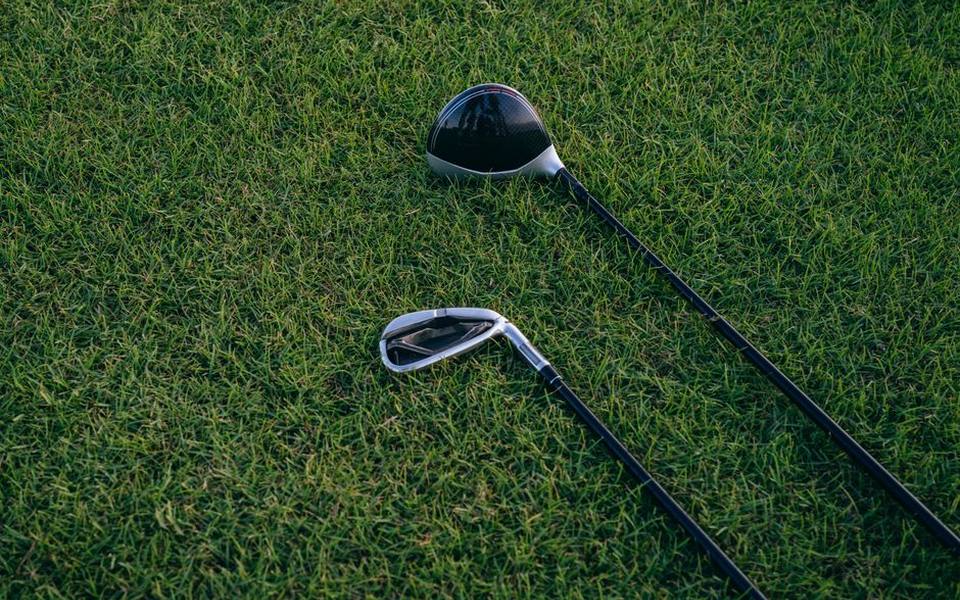
Similarly, the introduction of multi-material heads like the Callaway RAZR Xtreme demonstrated how moving away from pure titanium toward lightweight carbon composite crowns could transform club dynamics. By thinning the top structure, engineers unlocked discretionary weight that could be redistributed into movable sole weights to correct shot shape tendencies. These historic milestones directly established the framework for modern adjustable hosels, perimeter sliding weights, and aerodynamic head profiles that golfers rely on across driving ranges today.
Understanding these foundational designs is invaluable if you are browsing the secondary market to stretch your initial gear budget. Older composite and high-MOI designs still generate impressive ball speed and fair launch numbers when paired with an appropriate shaft, often costing under one hundred dollars used. However, older heads typically feature smaller sweet spots and less refined acoustic dampening compared to modern models, meaning mishits transmit more harsh vibration into your hands and lose slightly more carry distance.
When evaluating older adjustable models, inspect the hosel adapter, screw threads, and composite crown edges carefully for micro-cracks or past stripping. Early generation weight plugs and adjustment cogs can seize if exposed to moisture or over-tightened without a proper calibrated torque wrench. A well-preserved legacy head with a fresh grip can serve as a dependable practice weapon while you save for a contemporary fitted build.
Dialing in the Long Game with Fitting Tools and Custom Specs
Finding an optimal driver no longer requires blind trial and error on the practice tee thanks to interactive digital fitting matrices. Utilizing a brand-backed tool like a TaylorMade driver selector algorithm or proprietary launch monitor matrix allows you to input current swing speeds, typical miss patterns, and target trajectory goals. These selector systems filter through dozens of head variations—from draw-biased models with heel-loaded weighting to low-spin, compact shapes—to identify the base head design best suited for your mechanics.
Moving beyond basic off-the-rack stock offerings, stepping into a personalized golf driver setup involves fine-tuning shaft length, flex profile, tipping, and swing weight. Most off-the-shelf drivers measure around forty-five and a half inches, which maximizes theoretical clubhead speed but frequently causes erratic strike consistency for golfers under six feet tall. Cutting a quarter to half an inch off the shaft often improves strike efficiency directly out of the center of the face, yielding greater practical distance.
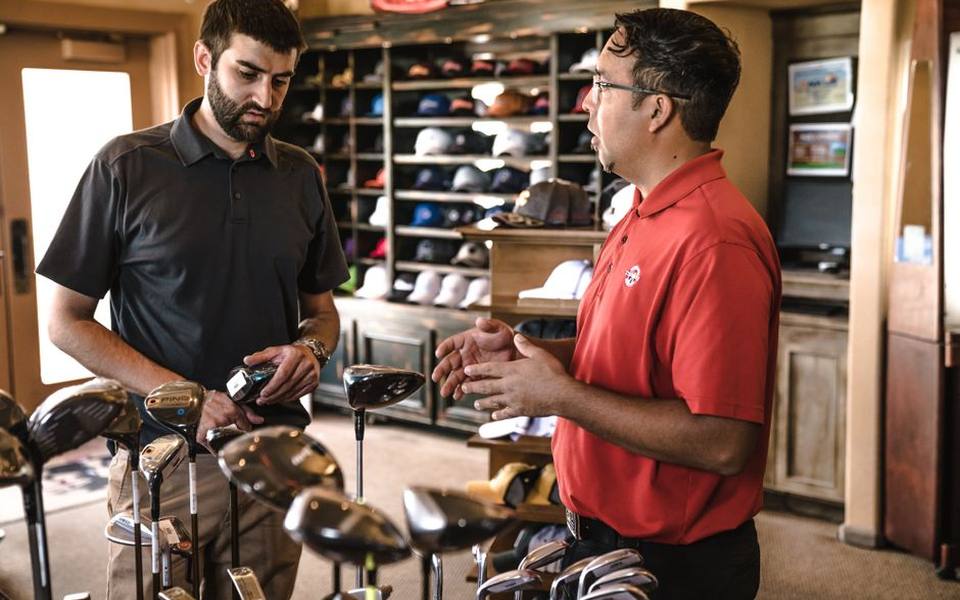
Visiting a dedicated pro shop to experience professional club fitting helps bridge the gap between manufacturer recommendation algorithms and live-ball ballistics. A professional fitter will test various shaft kick points and torque profiles to ensure the clubface squares naturally at impact without requiring handsy compensations. Customizing your loft sleeve also allows you to adjust face angle at address, helping eliminate an open-face slice before your bad habits calcify.
Remember that a customized driver is only as reliable as your baseline swing consistency. While an optimized setup tightens your dispersion cone and protects ball speed on mishits, it cannot compensate completely for extreme out-to-in swing paths or steep downward angles of attack. Use fitting selector charts as an educated starting point, verify the findings on a launch monitor, and ensure the resulting specifications encourage a balanced, confident delivery.
Short Game Architecture: Custom Wedges, Bounces, and Grinds
Wedges serve as your scoring foundation from inside one hundred yards, yet they remain the most misunderstood tools in a beginner's bag. Commissioning a Titleist wedge custom build or choosing premium retail scoring clubs requires deciding on exact lofts, bounce angles, and sole grinds rather than just grabbing a random fifty-six degree club. The proper sole design prevents the leading edge from digging excessively into soft turf or skipping uncontrollably off baked fairway ground.
Sole grind refers to the physical shaping, relief, and material removed from the heel, toe, and trailing edge of the wedge sole. Golfers with steep swings who take deep divots generally benefit from higher bounce configurations, typically twelve to fourteen degrees, which act as a safety skid plate against fat shots. Sweepers who pick the ball cleanly or frequently play off dry, sandy soil usually require lower bounce options, between six and eight degrees, to slip under the ball cleanly.
Customization at the specialist level also extends to personal stamping, custom ferrules, and tailored shaft weights that match your iron set. Many seasoned players install wedge shafts that are eight to ten grams heavier than their standard iron shafts to encourage a controlled tempo on partial swings. Loft spacing should ideally maintain four to six degrees of separation between your pitching wedge, gap wedge, sand wedge, and lob wedge to avoid awkward distance gaps.
Investing in precision-milled wedges pays immediate dividends in greenside spin and roll-out predictability across diverse lies. Fresh, sharp micro-grooves grab the ball cover firmly on partial pitches, providing the braking power required to stop shots near tucked pins. If you buy wedges on the used market, inspect the face closely under bright light to verify the groove edges are not rounded over from abrasive driving range sand.
Lie Angles, Turf Interaction, and Static Versus Dynamic Fitting
Club specifications go far beyond raw shaft length and head weight; lie angle plays a massive role in whether your shots fly toward your intended target. The comprehensive Ping wedge fitting protocol and its famous color-coded chart demonstrate how your wrist-to-floor measurement sets a baseline, but dynamic impact determines the final spec. If a club is too upright for your swing, the heel catches the turf first at impact, violently twisting the face closed and causing missed shots to pull left.
Conversely, when a wedge is too flat, the toe contacts the turf premature to the center line, deflecting the clubface open and leaking shots out to the right. Testing your impact dynamics on practice tee lines equipped with ball tracking tech lets you see launch data and apex heights in real time. Fitters use impact tape on the sole alongside strike boards to measure whether the bottom of your club arrives perfectly parallel to the ground during a full strike.
Wedges undergo immense ground friction compared to long irons, meaning subtle lie angle errors amplify dispersion significantly as lofts increase. A two-degree lie error on a sixty-degree lob wedge pulls the ball off your intended target line far more severely than the same two-degree error on a three-wood. Dynamic adjustments take into account how much your shaft droops and bows downward under rotational load during downswing transition.
Most forged and soft cast heads can be bent easily on a standard lie-and-loft bending machine at your local clubhouse pro shop. Checking these angles once or twice a year is sound preventive maintenance, particularly if you hit balls regularly off hard artificial mats. Repetitive strikes against dense rubber sub-bases can slowly bend soft hosels upright over months of intensive practice.
From Miniature Golf Putters to Modern Precision Flatsticks
Nearly everyone takes their first golf strokes holding standard putt putt clubs during a family outing or mini-golf round, but those utilitarian tools differ sharply from course equipment. A typical putt putt putter features a cast, ambidextrous steel head with zero degrees of loft and a symmetrical rubber-wrapped grip built to survive heavy outdoor abuse. These basic tools are engineered solely to push an oversized, colored ball across durable nylon carpet into concrete-bordered obstacles without dinging or wearing down.
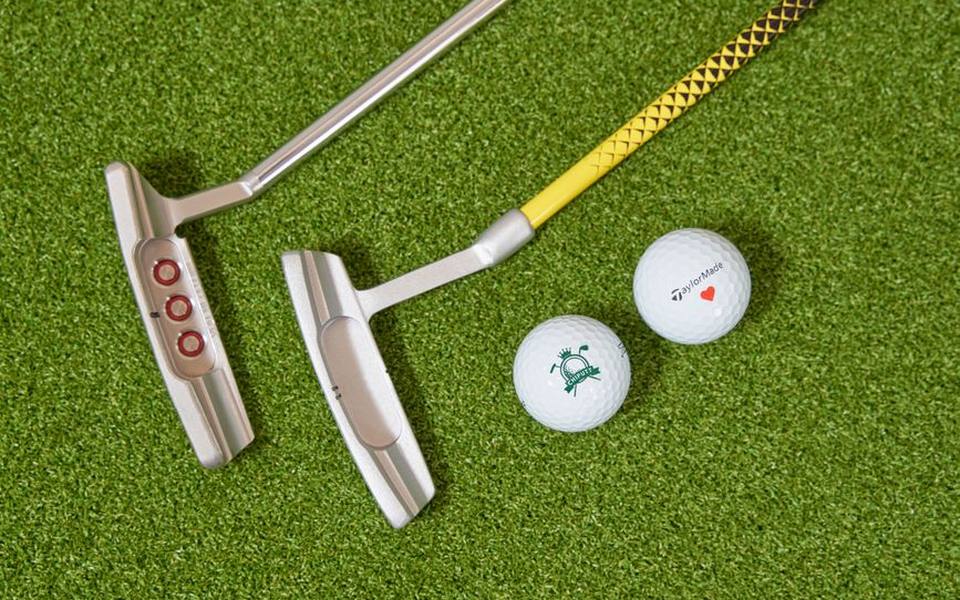
In contrast, full-course putt putt equipment bears little resemblance to the weighted, precision-balanced flatsticks required to navigate undulating real-grass greens. Modern golf putters incorporate between two and four degrees of forward loft, which gently lifts the ball out of its minor grass depression at impact to initiate a true, smooth forward roll. Striking a standard golf ball with a zero-loft novelty putter causes the ball to skid, bounce, and deviate off line over the first several feet of roll.
Transitioning from casual putting novelties to authentic flatsticks involves choosing between classic blade heads, mid-mallets, and high-MOI spider-style mallets. Golfers who rotate their shoulders and swing the putter along an arc generally prefer blade designs with toe-hang balance, which freely open and close with the stroke. Players who utilize a straight-back, straight-through stroke typically excel with face-balanced mallets, which feature long sightlines to aid accurate alignment.
Before buying an expensive putter, spend time experimenting on dedicated practice greens to understand your eye line over the ball. Your dominant eye should ideally align directly over or slightly inside the ball, allowing you to read break and target lines naturally. Standard lengths run between thirty-three and thirty-five inches, and choosing a shaft that fits your posture prevents strain on your lower back during extended putting drills.
Everyday Essentials: Gloves, Range Accessories, and Grip Care
A successful day at the practice tee requires several smaller supporting items that directly influence your comfort, consistency, and hand security. Equipping your bag with budget-friendly workhorses like Academy golf gloves or comparable synthetic-leather options ensures a firm purchase on the grip without tearing through high-end sheepskin prematurely during marathon bucket sessions. Beginners often grip the club with excessive tension, which quickly shreds thin Cabretta leather palms around the hypothenar pad within two or three range sessions.
Synthetic composite gloves incorporate reinforced palm patches and flexible mesh knuckles, offering improved breathability and durability through hot summer practice stretches. Premium Cabretta leather gloves deliver unmatched tactile feedback and soft feel, making them ideal for tournament rounds or light scoring sessions around chipping greens. Whichever material you prefer, the glove must fit like a second skin with zero bunched fabric across the palm, preventing blister-causing friction.
Maintaining your grips is equally important to keeping fresh gloves on your hands, as oils, perspiration, and driving range dust accumulate rapidly. Routine visits for club regripping every fifty to seventy rounds—or once a season—restore the tackiness needed to hold the club lightly without slipping. If your grips feel glossy, smooth, or reveal firm thumb indentations, washing them with warm soapy water and a nylon brush often restores temporary traction until you can replace them.
Pack a simple accessory pouch containing sturdy wooden tees of varied lengths, a brass-bristle groove brush, a microfiber towel, and athletic grip tape. Sticking a strip of athletic tape across friction-prone finger joints prevents blisters while your calluses develop naturally over your first season. These modest gear items keep your practice organized, allowing you to focus entirely on mechanics rather than equipment frustrations.
Evaluating Clubs in All-Weather Facilities and Simulators
Purchasing golf equipment based purely on indoor static measurements can lead to surprising disconnects once you step out onto native grass. Whenever possible, test prospective clubs in indoor golf simulator bays and outdoor driving ranges to monitor true ball flight alongside computer-modeled launch trajectories. High-speed cameras measure initial launch angle, spin rates, and club path, but observing real downrange descent angles clarifies how the ball behaves upon landing.

Practicing at covered driving ranges provides a controlled testing environment where you can hit balls shielded from wind and rain while tracking full ball flight across open acreage. Simulators rely on mathematical algorithms to estimate roll-out distances based on standard turf firmness parameters, which might not reflect the wet, heavy conditions of your home municipal track. Blending digital monitor numbers with visual outdoor feedback ensures you do not buy a club that launches too flat to hold elevated greens.
Be aware of the golf ball models utilized during your testing sessions, as range balls perform noticeably differently than multi-layer urethane game balls. Standard two-piece practice balls feature thicker covers and firmer cores designed for longevity, typically spinning five hundred to one thousand RPM less than premium balls while shedding significant carry distance. Premium fitting centers account for this variance by providing actual tour-level balls within their hitting studios to capture authentic baseline numbers.
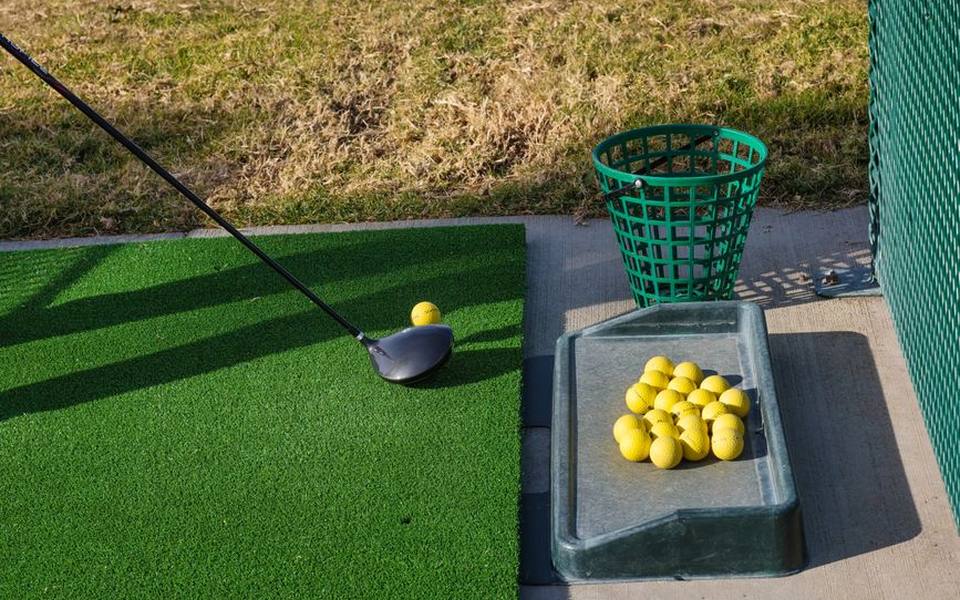
Pay close attention to how turf contact feels when hitting off thick artificial turf mats compared to live fairway grass. Synthetic turf mats can mask fat strikes by allowing the clubhead to bounce off the rubber backing and glide into the ball with deceptively clean contact. Testing your prospective irons and wedges off natural turf exposes whether the sole bounce fits your attack angle cleanly without jarring your forearms.
Strategic Budgeting: Allocating Funds Between Hardware and Coaching
A common trap for emerging golfers is pouring their entire athletic budget into top-tier hardware while neglecting foundational fundamentals. Spending two thousand dollars on the latest tour-grade clubs will not eliminate a steep over-the-top slice if your kinematic sequence and clubface control remain unaddressed. Allocating roughly forty to fifty percent of your overall initial budget toward hands-on swing instruction typically yields faster scoring drops than buying expensive carbon-chassis drivers.
A sensible gear acquisition strategy begins with reliable, forgiving game-improvement irons paired with a mid-tier adjustable driver, leaving ample financial cushion for lessons and greens fees. As your ball-striking improves and your swing path stabilizes, you can selectively upgrade individual wedges and putters where personal feel matters most. Many club fitters can easily bend your existing iron set flatter or more upright, extending its practical lifespan without requiring an entirely new purchase.
Used equipment marketplaces, clearance racks at authorized retailers, and manufacturer-certified pre-owned platforms offer high-performing clubs at steep discounts compared to new releases. Buying previous-generation club heads lets you invest the savings into custom aftermarket shafts or personalized lessons with a local PGA professional. Equipment should complement your athletic progress rather than serve as a costly substitute for dedicated practice.
Ultimately, the best equipment setup is one that instills confidence when you stand over the ball on the first tee. Whether you swing a refurbished legacy driver or a pristine custom-built iron set, clubs matched correctly to your height, tempo, and swing speed remove physical doubts from your mind. Spend thoughtfully, verify your specs through data, and prioritize hardware that rewards consistent, enjoyable swings across every round.
Published 2026-09-21 · reviewed with each rebuild, last September 2026.
Find driving ranges near you
The directory lists 3,693 driving ranges by state and city — pick your state or use the “Near me” button in the header.
More guides
-
 Buying
Realistic Costs and Equipment Needed for a Home Golf Simulator
-
 Service
Golf Club Maintenance: Regripping and Reshafting Guide
-
 Money
MoneyGolf Lessons Cost and Beginner Guide: What to Expect and How to Budget
-
 Buying
Golf Club Fitting Cost and Selection Guide
-
 Buying
A Practical Guide to Buying, Selling, and Trading In Used Golf Clubs
-
 Money
MoneyDriving Range Costs, Practice Routines, and Range Etiquette
-
 Service
Fixing Topped Shots and Improving Ball Striking on the Range
-
 Buying
Best Golf Launch Monitors Buying Guide: Space, Tech, and Budget
-
 Buying
The Complete Guide to Buying Used Golf Clubs and Pre-Owned Equipment
-
 Buying
How to Choose the Best Local Golf Shop and Pro Shop Services
-
 Owning
Miniature Golf and Putt-Putt Guide: Rules, Courses, and Family Fun
-
 Service
Complete Guide to Custom Golf Fitting and Shaft Selection
-
 Buying
Complete Guide to Buying and Maintaining Golf Shoes and Cleats
-
 Owning
Designing and Installing Indoor and Backyard Putting Greens
-
 Service
Golf Swing Analytics, Speed Training, and Shot Tracking Systems
-
 Buying
Golf Practice Nets, Driving Mats, and Backyard Hitting Setups
-
 Buying
How to Buy Used Golf Clubs and Get the Best Demo Day Deals
-
 Owning
Custom Golf Gear Personalization: Stampers, Bags, and Embroidery
-
 Buying
Selecting and Setting Up Home Golf Simulators and Launch Monitors
-
 Service
Choosing Golf Academies, Lessons, and Coaching Programs
-
 Buying
Custom Golf Club Fitting: Shafts, Clubheads, and Specifications
-
 Service
Entertainment Driving Ranges: Planning Group Outings, Corporate Events, and Bachelor Parties
-
 Service
Mini Golf, Footgolf, and Indoor Golf: Complete Venue Guide and Directory
-
 Owning
Tournaments, Scoring Tech, and Gear Upkeep: The Modern Golfer's Guide
-
 Buying
Finding the Right Golf Pro Shop and Equipment Retailer
-
 Owning
Designing and Hosting Mini Golf Events: Indoor Party Venues and Practice Games
-
 Buying
Indoor Golf Practice and Launch Monitors: How to Build Your Studio
-
 Buying
Golf Laser Rangefinders Buyer's Guide: Features, Accuracy, and Value
-
 Owning
Golf Club Groove Maintenance: Tools, Techniques, and Equipment Care
-
 Buying
Commercial Golf Green Mowers: Maintenance, Selection, and Buying Guide
-
 Owning
Best Mobile Golf Simulators and Games for Practice and Play
-
 Owning
Fixing Heavy Contact, Managing Distance, and Choosing Cold-Weather Gear
-
 Buying
Club Car Golf Carts: The Practical Guide to Buying, Inspecting, and Customizing
-
 Owning
Complete Guide to Putt-Putt Games: History, Titles, Platforms, and Walkthroughs
-
 Service
Top Sports Bars and Lounges: How to Pick the Best Game-Day Spots in NYC and Florida
-
 Safety
24-Hour Gun and Shooting Ranges: Availability, Rules, and Finding Round-the-Clock Facilities
-
 Owning
Golf Green Mobile Estates: Guide to Golf Community Living and Amenities