Planning a Dedicated Home Practice Green
Building an indoor putting green for home use or dedicating a slice of your yard to a synthetic putting green changes how you practice short putts and stroke mechanics. Having an accessible putting surface allows for daily repetitions without driving across town. However, long before ordering rolls of synthetic carpet or excavating turf, you must evaluate the structural foundation, room dimensions, and realistic practice goals. Flat carpet on concrete behaves differently than an outdoor contoured green built over crushed aggregate.
Space dictates what is genuinely achievable. For indoor installations, a dedicated footprint of twelve to sixteen feet in length provides enough clearance for standard ten-foot rollouts, setup stance, and backswing room. Garages, finished basements, and spare rooms are standard choices, though ceiling height becomes crucial if you intend to hit chip shots. Outdoors, a modest putting setup can fit into a compact side yard, while a full putting and chipping green requires a wider perimeter to absorb pitch shots safely.
Budget and labor scale sharply between modular floor layouts and permanent landscape builds. Simple roll-out mats rest directly on existing floors, requiring zero construction knowledge. Permanent outdoor projects, on the other hand, demand serious site grading, aggregate hauling, compaction, and edge securing. Deciding early between a portable practice mat and a permanent architectural element keeps expectations realistic and helps you allocate funds toward quality turf rather than correcting structural shortcuts.
Selecting the Right Synthetic Golf Turf
Choosing the right golf turf putting green material requires understanding the functional differences between nylon, polypropylene, and polyethylene fibers. Polypropylene turf is widely used for residential installations because it offers a natural ball roll when properly paired with infill. Nylon fibers boast superior resilience against footprints and furniture weight, making them great for high-traffic indoor setups, though they tend to roll faster and can degrade under harsh outdoor ultraviolet exposure if untreated.
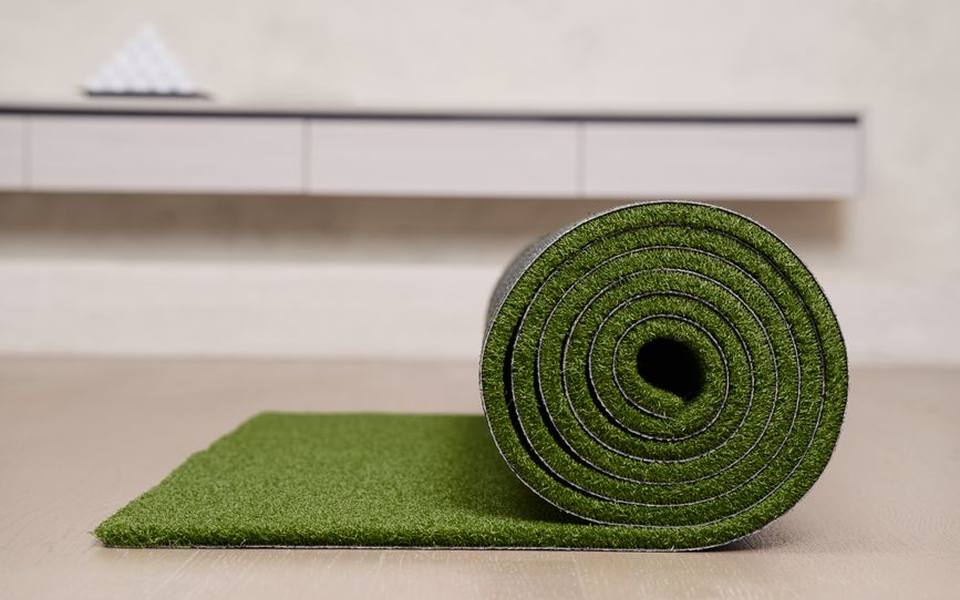
Turf construction comes in two broad designs: slit-film and textured polyethylene or nylon curl. Textured curled turf creates a non-directional grain, giving the golf ball an honest, true line in any direction without requiring heavy layers of infill. Slit-film systems usually rely heavily on silica sand infill to keep the blades standing upright. Without that infill support, slit-film fibers crush flat, which completely alters the speed and causes putts to skid offline rather than roll smoothly.
Pile height and face weight directly influence both longevity and stimpmeter speed. True putting surfaces typically feature a low pile height between a quarter-inch and half-inch, paired with a dense face weight. Thicker, taller grass fibers belong in the surrounding fringe rather than the putting lane. Inspecting physical turf samples under natural light lets you test how a golf ball sits on the fibers and reveals whether the backing is permeable enough for outdoor rain drainage.
Excavating and Prepping the Backyard Sub-Base
A durable artificial turf golf putting green depends entirely on the stability of the ground beneath it. The biggest mistake homeowners make is rolling turf directly over topsoil, which inevitably settles into uneven ruts and pools water after heavy rain. Excavation begins by stripping away five to six inches of organic sod, weeds, and soft topsoil across the entire project footprint, extending the cut six inches past your intended green edges.
Once the native dirt is graded and compacted with a vibratory plate compactor, lay a heavy-duty commercial landscape fabric to prevent future weed penetration while allowing moisture to seep into the subsoil. Over this fabric, spread four inches of crushed aggregate, typically crushed road base or crusher run with fine particles. Rake this base to establish gentle undulations, keeping in mind that steep contours make synthetic turf roll uncontrollably fast on short approach putts.
Compact the aggregate base in two-inch lifts, dampening the stone lightly with water before each pass with the plate compactor. A rock-hard, non-yielding foundation is mandatory before applying the final top layer. Any soft spots left in the base will mirror through the turf within a couple of months, creating flat-out dead spots where putts lose momentum or kick unpredictably off your intended target line.
Screeding and Contouring the Top Layer
Above the crushed aggregate base, add a one-inch smoothing layer of decomposed granite, stone dust, or masonry screenings. This fine aggregate fills microscopic voids in the rough aggregate, creating a perfectly continuous surface for the artificial turf. Use an aluminum screed board, landscape rake, and level to smooth out ridges while shaping subtle breaks, hollows, and collection ridges that simulate authentic course contours.
Check water drainage patterns carefully during this final grading phase. Outdoor greens must slope gently away from adjacent foundations, fences, and patios to direct runoff toward natural garden drains or swales. A uniform one percent grade is typically enough to shed pooling storm water without making the putting surface feel like an extreme, frustrating tilt when standing over a three-foot test.
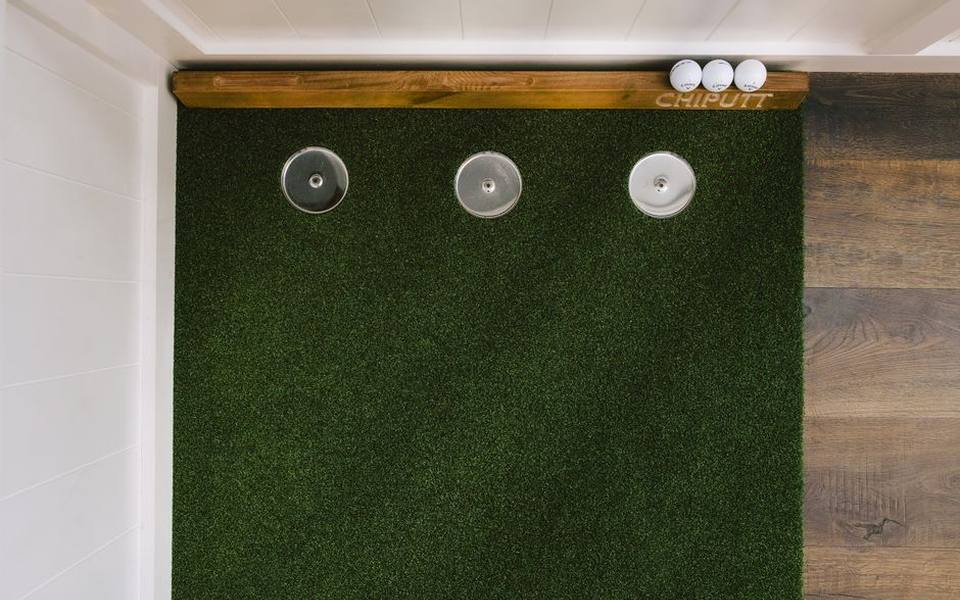
Set plastic or aluminum putting cups into the aggregate base during this stage rather than cutting them in after the turf is laid. Excavate cup holes deep enough so the lip of the cup sits roughly a quarter-inch below the final turf backing height. Anchor each cup with dry quick-setting concrete mix or tightly packed aggregate to ensure the cup rim stays dead level with the surrounding stone dust through all seasons.
Cutting, Seaming, and Infilling Outdoor Greens
Roll the golf artificial putting green turf across your prepped aggregate base and let it sit under warm afternoon sunlight for several hours. This resting period relaxes shipping wrinkles and allows the thick polyurethane backing to conform smoothly to your carved slopes. When positioning multiple sections, ensure the grain of every roll points in the exact same direction, as mismatched grain angles create visible color bands and erratic roll speeds.

Trim the edges with a sharp utility knife, cutting carefully from the backside between the tuft rows to avoid severing pile fibers. To join panels, lay a heavy-duty seam tape centered under the joint and spread exterior-grade turf adhesive evenly with a notched trowel. Press the seam edges together firmly, checking that no green fibers are pinched into the adhesive, and weight the seam down with pavers until fully cured.
Infill application transforms loose synthetic carpet into a firm, playable putting surface. Spread rounded, non-angular silica sand across the surface using a drop spreader in multiple light passes, working the granules deep into the fibers with a stiff push broom. Rounded sand prevents abrasion on the fibers, supports upright blade alignment, and allows you to adjust the green speed to your preference by adding or grooming the infill.
Building a Backyard Chipping Green with Fringe Turf
Golfers wanting more than flat stroke drills often build a combined putting and chipping green by surrounding the low-pile cup area with realistic fringe turf. A backyard chipping green requires taller, dense landscape turf with a pile height around one to one-and-a-half inches. This taller border traps mishit chips, frames the target visually, and provides realistic fairway lies from ten to thirty yards out.
To hold lofted pitch shots, the construction of a chipping green demands extra care in base resilience. A rigid aggregate base alone can cause golf balls pitched from distance to bounce unnaturally high across the green like concrete. Adding a specialized crumb rubber infill layer or a thin shock pad under the synthetic grass softens ball impact, allowing well-struck wedge shots to check up and hold the putting surface realistically.
When practicing short pitches at home, safety remains paramount. While indoor practice often happens at local indoor bays or simulators, outdoor chipping requires ample clearance from glass doors, neighbors, and vehicles. Establishing a buffer zone of taller rough turf around the fringe catches thin strikes before they skate across boundary fences or damage adjacent property structures.
Constructing an Indoor Putting Green DIY Platform
A portable or semi-permanent indoor putting green DIY build provides reliable year-round practice without weather interruptions. The simplest indoor putting green mat rests directly on a flat subfloor, but building an elevated timber platform allows you to insert regulation cups flush into the walking deck. A basic frame built from two-by-four lumber and three-quarter-inch cabinet-grade plywood creates a solid, silent platform that eliminates floor imperfections.
Frame the platform with joists spaced twelve inches on center to prevent deck flexing when walking across the structure. Cut cup holes through the plywood using a standard four-and-a-quarter-inch hole saw, positioning the holes at least eighteen inches away from the back walls to leave room for natural putting follow-throughs. Lining the underside of the cup cutout with felt or high-density foam dampens ball drop noise significantly in living areas.
Fasten a layer of indoor putting green turf across the platform using multi-purpose carpet tape along perimeter edges. Avoid heavy water-based glues indoors if you ever plan on moving or upgrading the platform. For uneven garage slabs or tiled surfaces, placing rubber gym underlayment beneath the turf provides instant sound dampening, levels out shallow grout lines, and mimics the natural cushion found on outdoor bentgrass greens.
Poolside Fun with a Floating Golf Green
A floating golf green for pool practice adds an entertaining short-game target to summer gatherings while testing wedge accuracy from pool decks or patio grass. These floating units typically consist of a high-density closed-cell marine foam base topped with water-resistant synthetic putting turf. The floating foam platform absorbs water impact without degrading, keeping the practice target buoyant and stable even with surface ripples.
Most floating greens feature integrated plastic cups and small flags, along with a tethering anchor. Dropping a small vinyl-coated weight into the deep end prevents the green from drifting into pool skimmers or edging against tile walls during light breezes. Using specialized floating golf balls is mandatory; standard regulation balls will sink directly to the bottom of the pool plaster and can clog main filtration drains.
While pool greens serve primarily as casual recreational targets, they reward clean wedge contact and precise distance control. Hitting off a portable hitting turf mat on the patio toward an eight-foot floating island trains golfers to pick the ball cleanly off tight surfaces. It serves as a fun warm-up exercise before heading to local driving range on-site practice areas for full bag sessions.
Maintaining Synthetic Turf Indoors and Outdoors
Synthetic putting green turf requires steady routine maintenance to retain its original ball roll characteristics and aesthetic appeal. For an indoor putting green, airborne dust, pet dander, and household lint settle into fibers over time, slowing down roll speeds. Vacuuming the surface weekly using a brush-free suction attachment prevents fibers from fraying while pulling debris out of the turf base.
Outdoor greens face organic matter such as falling leaves, twigs, pollen, and blowing seeds. If left sitting, organic debris rots on the turf backing, creating fertile pockets for weeds and moss to root directly into the sand infill. Use a plastic lawn rake or an electric leaf blower on a low throttle setting to clear leaves regularly without dislodging your calibrated silica infill layers.
Periodically inspect outdoor seams, cup edges, and sand levels. Foot traffic along cup perimeters naturally displaces infill sand, leading to crushed fibers. Brushing the surface against the grain with a stiff push broom pulls compressed fibers upright. Once or twice a year, top-dress high-wear cup areas with fresh silica sand to maintain true roll fidelity across the entire green perimeter.
Connecting Home Putting to Course Performance
Dialing in your putting stroke on a home putting surface builds mechanical muscle memory and confidence on short putts. However, mastering speed control on a pristine synthetic setup is only one component of lowering scores. Authentic outdoor greens feature shifting turf species, varying moisture levels, aeration schedules, and morning dew that completely alter roll dynamics from hole to hole.
Pairing home practice with visits to facilities offering structured instruction helps translate living room alignment to real golf courses. Booking sessions through golf lessons ensures that your setup posture, ball position, and putting arc are mechanically sound rather than compensating for a specific room tilt or artificial grain bias in your home setup.
Putter balance and loft also affect how the ball launches off synthetic fibers compared to natural grass. If your putter face has improper loft, the ball may hop or skid before initiating true forward roll. Consulting professionals for club fitting services confirms your putter's lie angle, loft, and grip size match your posture, making your indoor repetitions directly beneficial on any golf course.
Published 2026-09-21 · reviewed with each rebuild, last September 2026.
Find driving ranges near you
The directory lists 3,693 driving ranges by state and city — pick your state or use the “Near me” button in the header.
More guides
-
 Buying
Realistic Costs and Equipment Needed for a Home Golf Simulator
-
 Service
Golf Club Maintenance: Regripping and Reshafting Guide
-
 Money
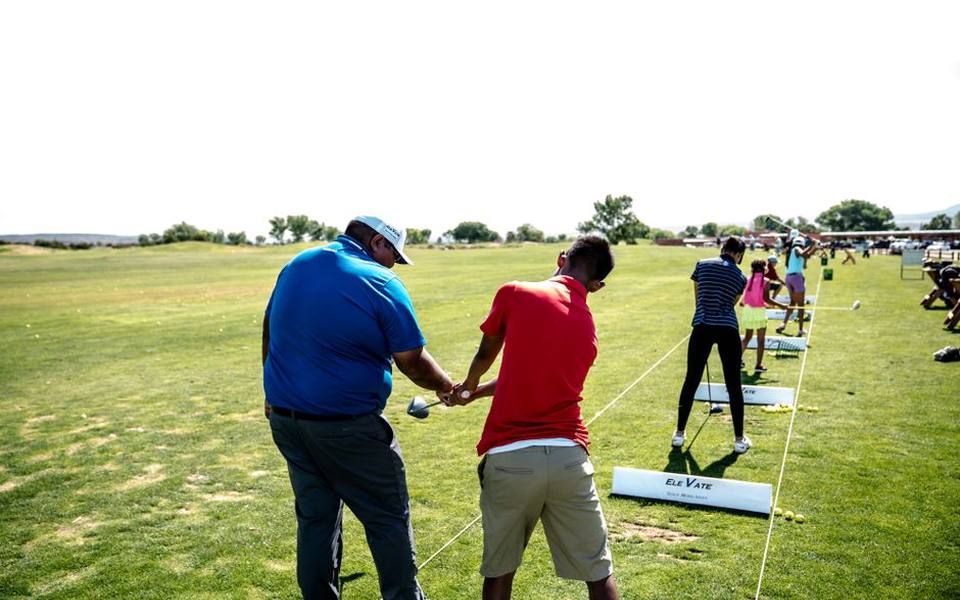
MoneyGolf Lessons Cost and Beginner Guide: What to Expect and How to Budget
-
 Buying
Golf Club Fitting Cost and Selection Guide
-
 Buying
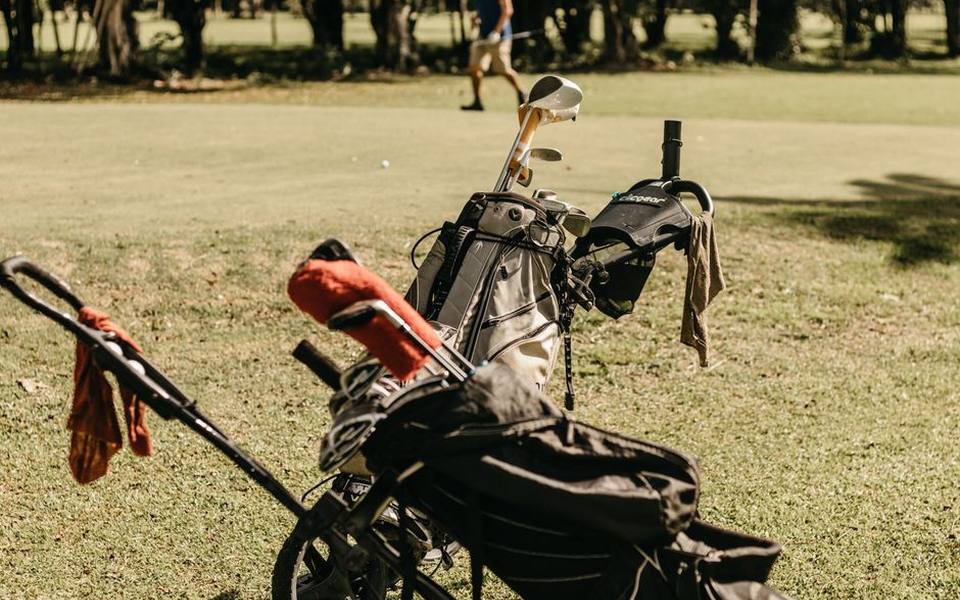
A Practical Guide to Buying, Selling, and Trading In Used Golf Clubs
-
 Money
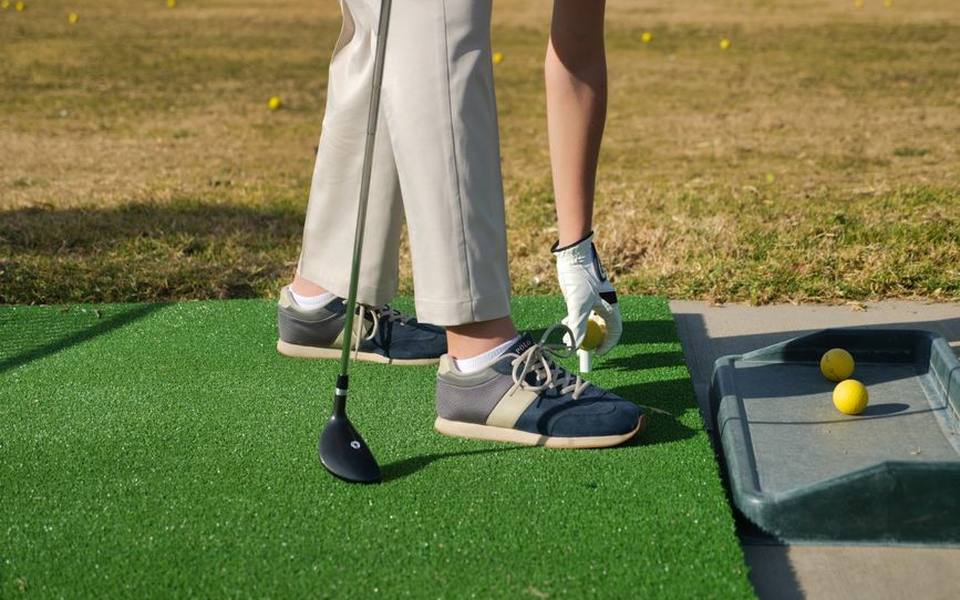
MoneyDriving Range Costs, Practice Routines, and Range Etiquette
-
 Service
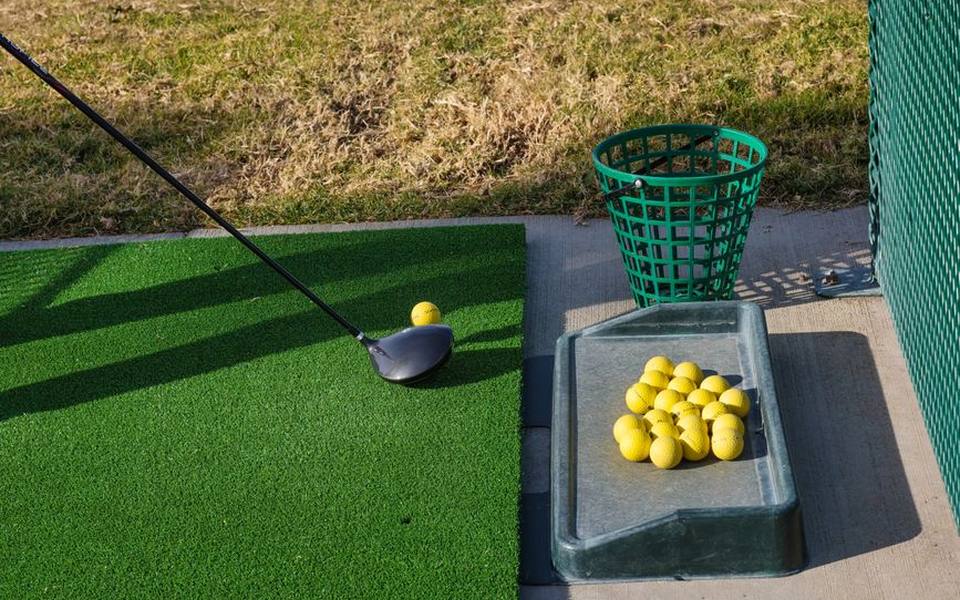
Fixing Topped Shots and Improving Ball Striking on the Range
-
 Buying
Best Golf Launch Monitors Buying Guide: Space, Tech, and Budget
-
 Buying
The Complete Guide to Buying Used Golf Clubs and Pre-Owned Equipment
-
 Buying
How to Choose the Best Local Golf Shop and Pro Shop Services
-
 Owning
Miniature Golf and Putt-Putt Guide: Rules, Courses, and Family Fun
-
 Service
Complete Guide to Custom Golf Fitting and Shaft Selection
-
 Buying
Complete Guide to Buying and Maintaining Golf Shoes and Cleats
-
 Service
Golf Swing Analytics, Speed Training, and Shot Tracking Systems
-
 Buying
Golf Practice Nets, Driving Mats, and Backyard Hitting Setups
-
 Buying
How to Buy Used Golf Clubs and Get the Best Demo Day Deals
-
 Owning
Custom Golf Gear Personalization: Stampers, Bags, and Embroidery
-
 Buying
Selecting and Setting Up Home Golf Simulators and Launch Monitors
-
 Service
Choosing Golf Academies, Lessons, and Coaching Programs
-
 Buying
Custom Golf Club Fitting: Shafts, Clubheads, and Specifications
-
 Service
Entertainment Driving Ranges: Planning Group Outings, Corporate Events, and Bachelor Parties
-
 Service
Mini Golf, Footgolf, and Indoor Golf: Complete Venue Guide and Directory
-
 Owning
Tournaments, Scoring Tech, and Gear Upkeep: The Modern Golfer's Guide
-
 Buying
Golf Equipment and Club Fitting Guide: Starter Sets, Drivers, and Custom Builds
-
 Buying
Finding the Right Golf Pro Shop and Equipment Retailer
-
 Owning
Designing and Hosting Mini Golf Events: Indoor Party Venues and Practice Games
-
 Buying
Indoor Golf Practice and Launch Monitors: How to Build Your Studio
-
 Buying
Golf Laser Rangefinders Buyer's Guide: Features, Accuracy, and Value
-
 Owning
Golf Club Groove Maintenance: Tools, Techniques, and Equipment Care
-
 Buying
Commercial Golf Green Mowers: Maintenance, Selection, and Buying Guide
-
 Owning
Best Mobile Golf Simulators and Games for Practice and Play
-
 Owning
Fixing Heavy Contact, Managing Distance, and Choosing Cold-Weather Gear
-
 Buying
Club Car Golf Carts: The Practical Guide to Buying, Inspecting, and Customizing
-
 Owning
Complete Guide to Putt-Putt Games: History, Titles, Platforms, and Walkthroughs
-
 Service
Top Sports Bars and Lounges: How to Pick the Best Game-Day Spots in NYC and Florida
-
 Safety
24-Hour Gun and Shooting Ranges: Availability, Rules, and Finding Round-the-Clock Facilities
-
 Owning
Golf Green Mobile Estates: Guide to Golf Community Living and Amenities