What Happens During a Professional Fitting
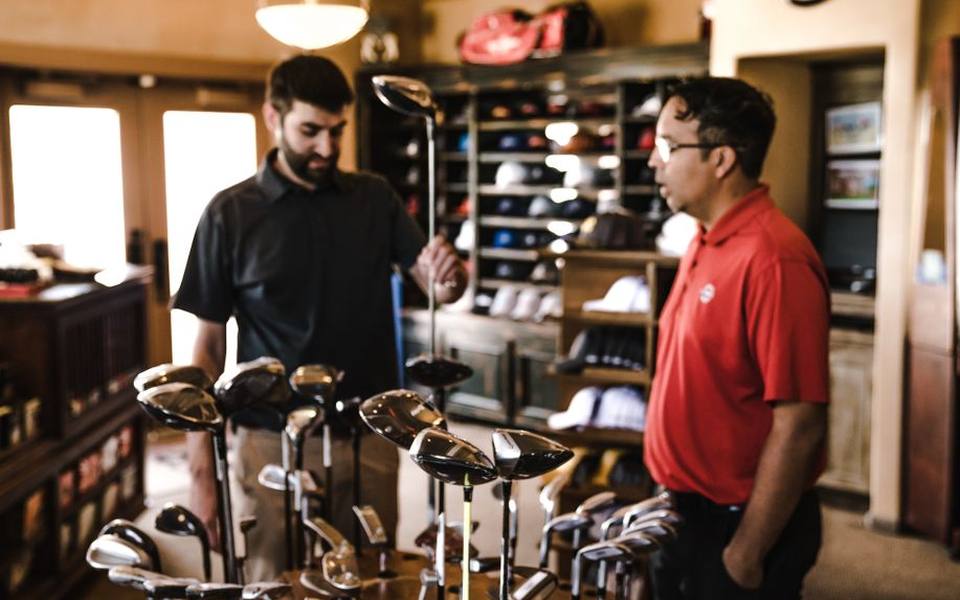
Custom club fitting is an empirical process where an experienced technician pairs your individual swing mechanics with matching clubheads, shafts, and grips using launch monitor data rather than standard retail specs. Instead of buying off-the-rack equipment designed for a hypothetical average golfer, you swing various head-and-shaft combinations while sensors track ball speed, launch angle, and dispersion. The goal is straightforward: optimize your distance, tighten your shot dispersion, and make clean ball contact easier to reproduce consistently on the course.
A comprehensive evaluation typically begins with a detailed interview regarding your typical miss, physical limitations, scoring goals, and current set makeup. A skilled technician looks at how often you play and where your game tends to leak strokes before touching a single tool. You hit your existing clubs first to establish a statistical baseline. This data reveals your actual swing speed, angle of attack, face-to-path relationship, and standard ball flight tendencies.
Once the baseline is logged, the fitter swaps components systematically using quick-connect adapter systems. You test varied shaft flexes, weights, and clubhead profiles while watching metrics update in real time. Modern facilities often utilize advanced indoor golf and simulator bays where high-speed photometric cameras measure spin axis and face delivery down to single degrees. By isolating one variable at a time, you see exactly how subtle equipment tweaks alter your trajectory.
Shaft Dynamics and Finding the Right Match
The shaft acts as the transmission of the club, controlling delivery timing and face orientation at impact. Many players mistakenly believe shaft selection is simply about choosing between regular or stiff flex stamped on the label. However, the golf industry lacks a universal standard for flex ratings; an R-flex from one manufacturer might play significantly stiffer than an S-flex from another. Working with a dedicated golf shaft fitter helps uncover how a shaft profile actually bends under your specific loading patterns.
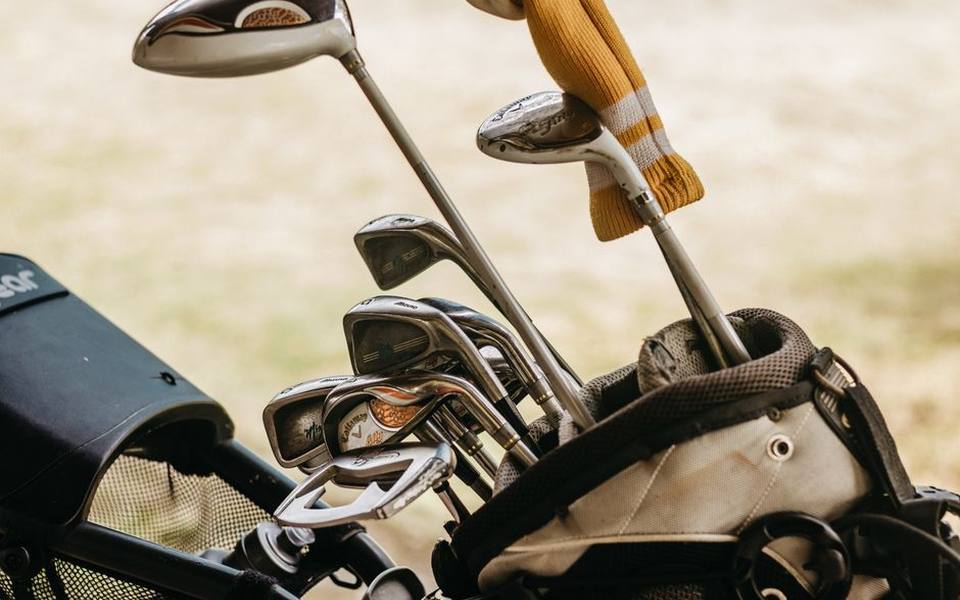
Beyond nominal flex, overall shaft weight exerts the strongest influence on your swing tempo, transition speed, and strike consistency. Lightweight graphite shafts can help players with moderate swing speeds generate extra velocity, but they can cause aggressive swingers to lose control of the clubhead. Conversely, overly heavy steel shafts can cause fatigue late in a round and promote an early casting release. Fitters evaluate total mass alongside balance points to ensure the club feels natural throughout your motion.
Specialized shaft profiling systems, such as the comprehensive analytical charts popularized by golfworks shaft fitting guides, categorize bend profiles by their butt, mid, and tip stiffness. A softer tip section typically encourages higher launch and helps square an open clubface, while a stiff tip promotes a lower, piercing flight with reduced backspin. Selecting the right profile ensures the club unloads efficiently into the ball without forcing you to manipulate your hand action through impact.
Dialing In the Big Stick with Driver Fitting
Driver fitting generally delivers the most dramatic numbers on the launch monitor because slight optimizations in launch angle and spin yield huge yardage gains. When you are fitted for clubs off the tee, the technician seeks the optimal balance between high launch and low spin relative to your swing speed. If you generate 90 miles per hour of clubhead speed, you might need a 10.5-degree or 12-degree head with roughly 2,400 rpm of spin to keep the ball airborne for maximum carry.
Faster swing speeds, on the other hand, produce excess backspin that balloons into the wind, severely diminishing rollout upon landing. In a dedicated driver fitting, your fitter tests various center-of-gravity locations and head volumes to stabilize off-center strikes. Modern heads feature movable perimeter weights that alter draw or fade bias, helping compensate for face delivery tendencies without altering your natural swing mechanics.
Testing different shaft lengths during this process is just as crucial as testing head models. While standard retail drivers frequently measure around forty-five and a half inches to promote theoretical distance, many players strike the center of the face far more consistently with a shaft cut to forty-four and a half inches. Center-face contact almost always produces faster ball speeds than off-center hits with a longer shaft, making length adjustments an easy path toward tighter dispersion.
Navigating Adjustable Hosels and Adapter Sleeves
Modern clubheads feature sophisticated hosel sleeves that allow players and technicians to alter loft, lie, and face angles independently. Systems like the Titleist SureFit collar utilize dual-ring adjustments to dial in specific launch characteristics without requiring a heat gun or vice. Learning how these adapters work demystifies why your fitter might change the hosel setting rather than handing you an entirely different clubhead during your evaluation session.
Adjusting an adapter sleeve to increase loft typically closes the face angle slightly in a static position, while reducing loft opens the face angle. Skilled fitters utilize this relationship strategically; if you struggle with a slice, slightly increasing loft can promote a squarer face at contact. Furthermore, altering the lie angle affects starting line direction, helping players keep drives tracking down the center of the fairway instead of drifting toward trouble.
It is helpful to test these hosel adjustments at ranges with ball-tracking technology so you can verify that the altered flight matches your visual preferences outdoors. Launch monitors quantify the change, but seeing how the ball curves across the sky confirms whether the optical setup looks comfortable to your eye at address. A setting that feels awkward to look down on will rarely produce confident swings under pressure.
Iron Fitting and Distance Gapping
Irons fitting revolves around precision, predictable distance intervals, and clean turf interaction rather than pure distance. When you go through a thorough evaluation, your fitter checks both static measurements—like wrist-to-floor distance and height—and dynamic impact data. Striking balls off an impact lie board with specialized sole tape reveals where the sole makes contact with the turf. If the lie angle is too upright, the heel digs first, sending shots left of target; if it is too flat, the toe digs and pushes shots right.
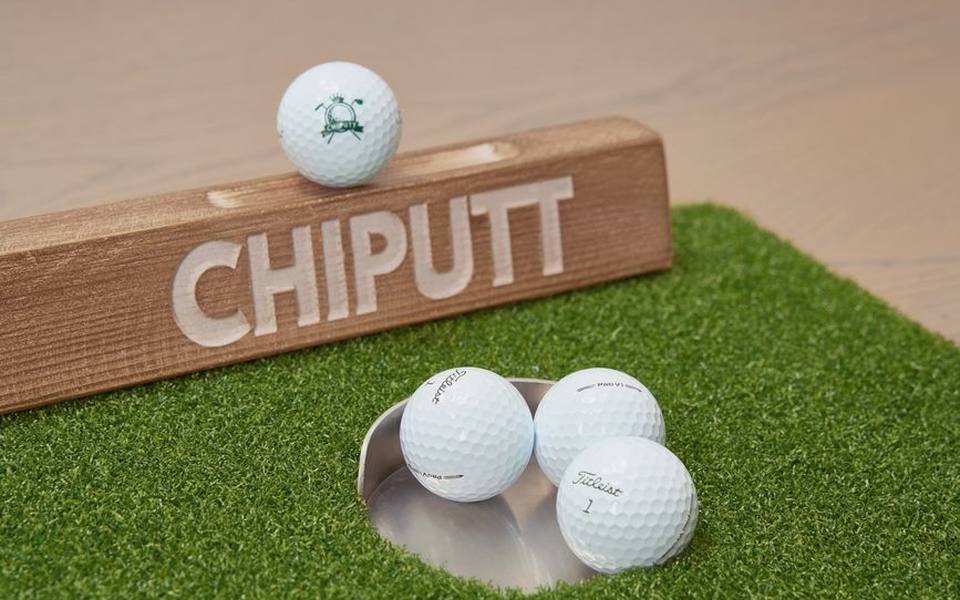
Distance gapping is another essential component of a comprehensive iron session. Many players carry clubs that produce redundant yardages, particularly in the longer irons where ball speed compression begins to falter. A professional fitter checks the carry numbers across your entire set, ensuring there is a clean, reliable gap of typically ten to twelve yards between consecutive clubs. If your four-iron and five-iron land in the same spot, swapping the long iron for a forgiving hybrid or higher-lofted fairway wood is often recommended.
Shaft weight in your irons also dictates how smoothly you transition from long approaches to delicate scoring shots. Many golfers benefit from ascending weight profiles, where longer iron shafts are lighter to encourage clubhead speed while shorter scoring clubs are heavier to foster tempo and control. Proper iron fitting eliminates awkward gaps and ensures that every iron in your bag has an unmistakable purpose.
Wedge Grinds, Bounces, and Turf Interaction
Fitted golf equipment should always extend into your scoring wedges, where subtle variations in sole geometry make a massive difference in real-world playability. Wedge fitting evaluates the bounce angle and sole grind to match the firmness of your home turf and the steepness of your typical swing. Players with steep angles of attack who take deep divots usually require higher bounce to keep the leading edge from digging into the turf.
Conversely, golfers who sweep the ball cleanly off tight turf or play primarily on firm, sandy courses tend to perform better with low-bounce options that slide easily under the ball. During a specialized wedge session, fitters examine how the club performs on full approach swings, three-quarter pitches, and delicate bunker explosions. The right combination of lofts ensures smooth gapping from your pitching wedge through your lob wedge.
Wedge shafts also deserve careful attention because many factory sets simply install generic heavy steel shafts that do not match the feel of your iron set. Matching the weight, flex profile, and balance point between your short irons and wedges creates a seamless feel on partial touch shots. You gain confidence knowing the clubhead will interact predictably with the turf on critical recovery shots.
Precision on the Greens with Custom Putter Fitting
Since putting accounts for roughly forty percent of all strokes taken during an average round, a custom putter fitting provides one of the highest returns on investment in the sport. Fitters analyze your natural stroke path, address posture, eye position, and ball roll characteristics using high-speed optical cameras or acoustic sensors. Determining whether you swing along a straight-back, straight-through line or an arcing path determines what kind of hosel and balance you need.
Golfers with an arcing stroke generally need a putter with significant toe hang to allow the face to open and close naturally through the stroke. Players with a straight path, on the other hand, benefit from face-balanced putters that resist twisting during the stroke. In addition to head balance, custom golf fitters examine the loft of your putter; too much loft causes the ball to hop into the air, while too little drives it downward into the grass, causing skidding before it begins a true forward roll.
Putter length and lie angle are equally vital because an ill-fitting putter forces you into an unnatural setup posture. If the shaft is too long, you will stand too upright and position your eyes inside the target line, distorting your visual alignment. Shortening the putter and bending the lie angle ensures your eyes sit directly over the ball while your hands hang naturally below your shoulders.
Grip Sizing and Swing Weight Adjustments
Grips represent your sole physical connection to the golf club, yet grip sizing is frequently ignored during casual off-the-rack purchases. Standard grips that are too narrow encourage excessive hand and wrist action, often leading to pulled shots and erratic hooks. Conversely, grips that are too thick can restrict natural hand release, causing pushed shots or flared slices.
Finding your ideal grip involves measuring hand length and finger span, then experimenting with different core sizes and extra wraps of tape underneath the rubber. Many facilities offering on-site golf club regripping while you wait can install test grips with varied textures and taper profiles so you can feel the difference in your hands before refitting an entire set. Corded grips offer traction in humid weather, while softer compounds dampen vibration for sensitive joints.
Adjusting grip size and weight also shifts the overall swing weight of the club, altering how heavy the head feels during your transition. Adding a heavier grip lightens the perceived swing weight at the head, whereas lighter grips make the head feel heavier. Professional technicians manage these subtle counterbalancing variables to preserve your natural swing rhythm across every club.
Preparing for Your Fitting Session
Getting the most out of an appointment with custom golf fitters requires thoughtful preparation on your end. Arrive well-rested and give yourself ample time to complete a full warm-up routine before hitting measured balls. Bring your current clubs, your regular golf shoes, and the exact make and model of golf ball you play on the course, as premium urethane balls produce vastly different spin rates compared to generic range rocks.

It is also helpful to schedule your session when your swing feels representative of your normal game, rather than trying to fix technical flaws right on the fitting mat. If you are in the middle of major swing changes, taking a few lessons at driving ranges with golf lessons before finalizing custom equipment ensures your new clubs support your emerging mechanics rather than band-aiding old bad habits.
Be prepared to swing hard and pace your stamina, as hitting dozens of full-effort shots with various combinations can be physically taxing. A good fitter monitors your energy level and will take breaks to review data so you do not make purchasing decisions based on fatigued swings. Clear communication regarding your budget, brand preferences, and feel expectations helps streamline the entire fitting experience.
Retrofitting Existing Gear Versus Buying New Sets
Custom fitting does not always require purchasing a completely new set of expensive clubs straight out of the box. Many golfers achieve excellent performance gains by retrofitting the gear they already own, adjusting lie angles, swapping shafts, or altering club lengths to match their measurements. An evaluation at dedicated club fitting facilities can determine whether your current heads are worth retooling or if modern head technology offers substantial advantages.
Forged iron heads and soft steel wedges are particularly well-suited for retrofitting because they can easily be bent on a loft and lie machine by a couple of degrees to optimize turf interaction. However, cast stainless steel heads are more brittle and have limited adjustability without risking stress fractures in the hosel. Your technician will inspect your equipment to advise whether bending is safe and practical.
Reshafting can revitalize an older set of clubs if the head faces remain in solid condition with intact grooves. By installing modern graphite or frequency-matched steel shafts tailored to your current swing speed, you can gain higher launch and tighter dispersion without the expense of a brand-new set. Whether upgrading or retrofitting, custom specifications provide confidence that your equipment works with your swing on every hole.
Published 2026-09-21 · reviewed with each rebuild, last September 2026.
Find driving ranges near you
The directory lists 3,693 driving ranges by state and city — pick your state or use the “Near me” button in the header.
More guides
-
 Buying
Realistic Costs and Equipment Needed for a Home Golf Simulator
-
 Service
Golf Club Maintenance: Regripping and Reshafting Guide
-
 Money
MoneyGolf Lessons Cost and Beginner Guide: What to Expect and How to Budget
-
 Buying
Golf Club Fitting Cost and Selection Guide
-
 Buying
A Practical Guide to Buying, Selling, and Trading In Used Golf Clubs
-
 Money
MoneyDriving Range Costs, Practice Routines, and Range Etiquette
-
 Service
Fixing Topped Shots and Improving Ball Striking on the Range
-
 Buying
Best Golf Launch Monitors Buying Guide: Space, Tech, and Budget
-
 Buying
The Complete Guide to Buying Used Golf Clubs and Pre-Owned Equipment
-
 Buying
How to Choose the Best Local Golf Shop and Pro Shop Services
-
 Owning
Miniature Golf and Putt-Putt Guide: Rules, Courses, and Family Fun
-
 Buying
Complete Guide to Buying and Maintaining Golf Shoes and Cleats
-
 Owning
Designing and Installing Indoor and Backyard Putting Greens
-
 Service
Golf Swing Analytics, Speed Training, and Shot Tracking Systems
-
 Buying
Golf Practice Nets, Driving Mats, and Backyard Hitting Setups
-
 Buying
How to Buy Used Golf Clubs and Get the Best Demo Day Deals
-
 Owning
Custom Golf Gear Personalization: Stampers, Bags, and Embroidery
-
 Buying
Selecting and Setting Up Home Golf Simulators and Launch Monitors
-
 Service
Choosing Golf Academies, Lessons, and Coaching Programs
-
 Buying
Custom Golf Club Fitting: Shafts, Clubheads, and Specifications
-
 Service
Entertainment Driving Ranges: Planning Group Outings, Corporate Events, and Bachelor Parties
-
 Service
Mini Golf, Footgolf, and Indoor Golf: Complete Venue Guide and Directory
-
 Owning
Tournaments, Scoring Tech, and Gear Upkeep: The Modern Golfer's Guide
-
 Buying
Golf Equipment and Club Fitting Guide: Starter Sets, Drivers, and Custom Builds
-
 Buying
Finding the Right Golf Pro Shop and Equipment Retailer
-
 Owning
Designing and Hosting Mini Golf Events: Indoor Party Venues and Practice Games
-
 Buying
Indoor Golf Practice and Launch Monitors: How to Build Your Studio
-
 Buying
Golf Laser Rangefinders Buyer's Guide: Features, Accuracy, and Value
-
 Owning
Golf Club Groove Maintenance: Tools, Techniques, and Equipment Care
-
 Buying
Commercial Golf Green Mowers: Maintenance, Selection, and Buying Guide
-
 Owning
Best Mobile Golf Simulators and Games for Practice and Play
-
 Owning
Fixing Heavy Contact, Managing Distance, and Choosing Cold-Weather Gear
-
 Buying
Club Car Golf Carts: The Practical Guide to Buying, Inspecting, and Customizing
-
 Owning
Complete Guide to Putt-Putt Games: History, Titles, Platforms, and Walkthroughs
-
 Service
Top Sports Bars and Lounges: How to Pick the Best Game-Day Spots in NYC and Florida
-
 Safety
24-Hour Gun and Shooting Ranges: Availability, Rules, and Finding Round-the-Clock Facilities
-
 Owning
Golf Green Mobile Estates: Guide to Golf Community Living and Amenities