The Practical Appeal of Golf-Focused Manufactured Communities
Living along a fairway once required purchasing a custom single-family home inside a high-end country club subdivision, often accompanied by five-figure initiation fees and steep monthly dues. Properties like Golf Green Mobile Estates and similar golf-oriented manufactured housing developments changed that dynamic by pairing factory-built homes with direct fairway access. These neighborhoods offer retirees, snowbirds, and dedicated amateurs a way to step out their back door onto a tee box without taking on the maintenance burden or financial overhead of a traditional luxury estate.
The core concept relies on smart land utilization and shared recreation. Instead of spreading homes across massive acreage, developers design tightly knit residential pockets surrounding an executive course, par-three layout, or full regulation track. Homeowners gain landscaped views, active open space, and instant community engagement centered around a shared pastime. Because the community maintains the turf, residents avoid lawn care while enjoying manicured surroundings every morning.
Beyond the sport itself, these communities appeal to buyers looking for predictable monthly living expenses. Modern manufactured homes built to modern federal standards provide durable, energy-efficient floor plans that rival site-built construction. Pairing an affordable home package with daily recreational access allows residents to direct their retirement savings toward travel, equipment upgrades, or simply enjoying their leisure time.
Course Layouts and Player Access Rules
Golf facilities inside manufactured housing communities vary significantly in scale and complexity depending on the property's footprint. Many feature private nine-hole executive courses or par-three layouts designed specifically for casual morning rounds and short-game practice. Other developments sit immediately adjacent to semi-private or municipal eighteen-hole facilities, offering deeded or discounted privileges to residents who maintain a lot lease or home title in the park.
Tee time availability typically follows structured community guidelines rather than the free-for-all seen at crowded municipal tracks. Some developments include unlimited greens fees within the baseline monthly association or park fee, while others operate on a low per-round punch-card system. Morning slots are often reserved for established resident leagues, whereas afternoons generally provide open access for walk-up practice or casual play with visiting family members.
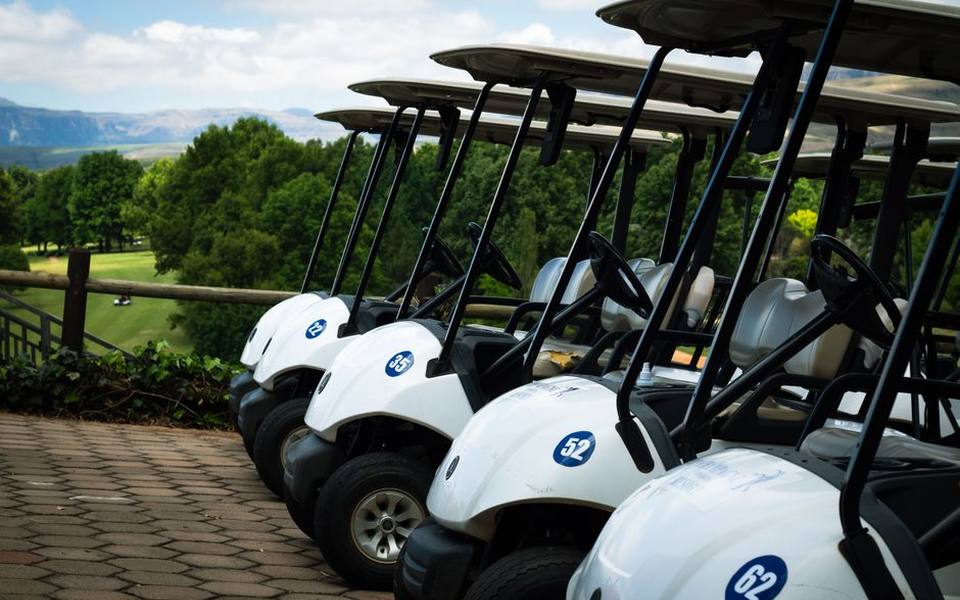
Understanding golf cart regulations is equally essential before moving in. Most communities allow privately owned carts on designated cart paths and neighborhood streets, provided the vehicle meets specific safety standards such as functional headlights, rearview mirrors, and turf-friendly tires. Certain parks restrict cart battery types or require annual safety inspections to protect neighborhood pathways and course turf from mechanical leaks or excessive wear.
Core Neighborhood Amenities Beyond the Fairway
While the greens serve as the central visual anchor, life in a golf mobile estate revolves heavily around the central clubhouse. This facility usually serves as the social epicenter, housing multi-purpose banquet rooms, card lounges, billiards tables, and community kitchens. On any given afternoon, residents gather for organized bridge tournaments, holiday dinners, potluck socials, or informational homeowner meetings that keep the neighborhood connected.
Water recreation and wellness amenities are standard across most master-planned properties. Heated swimming pools and therapy spas allow players to unwind after walking nine holes in the midday sun. Fitness centers equipped with low-impact cardio machines and free weights cater to residents who want to maintain core strength and rotational mobility for their swing without traveling to an off-site commercial gym.
Outdoor sports often extend well beyond golf as communities adapt to current recreation trends. Lighted pickleball courts, bocce ball alleys, and shuffleboard decks provide alternative social sports that require less time commitment than a multi-hour round of golf. These auxiliary amenities ensure that non-golfing spouses or residents recovering from joint injuries still have ample ways to stay active outdoors.
Practice Facilities and Training Infrastructure
On-site practice infrastructure inside manufactured communities usually emphasizes the short game due to acreage limitations. Residents commonly have daily access to dedicated putting greens, chipping areas with practice bunkers, and enclosed warm-up hitting nets. These facilities provide an easy way to dial in stroke mechanics or loosen up shoulder muscles before stepping onto the opening tee box without having to drive anywhere.
When serious game improvement is needed, residents frequently supplement community amenities by visiting comprehensive golf driving ranges in the surrounding region. Full-distance facilities allow players to track ball flight across driver and long-iron shots, which hitting cages inside residential parks cannot accommodate. Having a regional range nearby makes it easy to calibrate distances between neighborhood rounds.
Working on mechanics often requires professional feedback that smaller parks rarely offer on staff. Dedicated amateurs regularly travel to nearby facilities for golf lessons to refine swing plane, eliminate slice tendencies, or modernize their swing for aging joints. Incorporating outside professional instruction ensures you get the most enjoyment out of the rounds you play in your home community.
Land Lease Versus Resident-Owned Lot Models
Prospective buyers must understand whether a community operates under a land-lease structure or a resident-owned cooperative model. In a land-lease setup, you purchase the manufactured home outright or finance it as personal property, while paying a monthly lease fee to the park owner for the underlying lot. This structure significantly lowers initial acquisition costs, though monthly lot rent can increase over time depending on local lease ordinances and management policies.
Resident-owned communities, frequently structured as subdivisions or resident co-ops, require purchasing both the home and a proportional share of the underlying land. While the entry price is notably higher, monthly assessments generally cover only common-area upkeep, course maintenance, and trash services without an owner-profit markup. Over decades, this model shields residents from steep rent hikes and offers greater direct voting power over community management decisions.
Financing methods differ sharply between the two ownership categories. Chattel loans, used for homes on leased land, typically carry slightly higher interest rates and shorter amortization periods than conventional mortgages. Real property manufactured homes titled with the lot qualify for conventional, FHA, or VA lending programs in most states, provided the foundation system meets structural tie-down certifications and local building codes.
Age Restrictions and Community Guidelines
Many golf-centered manufactured communities operate under the Housing for Older Persons Act, establishing them as 55-plus active adult neighborhoods. Federal rules generally mandate that at least eighty percent of occupied homes contain at least one resident aged fifty-five or older. This policy creates a quiet, predictable atmosphere where neighborhood quiet hours, early morning tee times, and community maintenance schedules align with retiree routines.
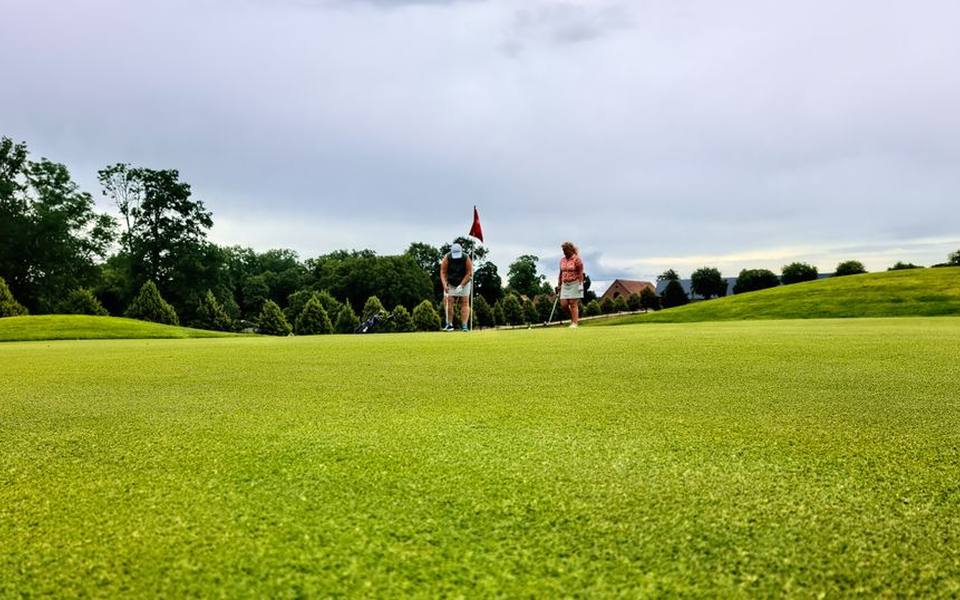
Guest policies are clearly defined in park rules to preserve community amenities for paying residents. Visiting grandchildren or younger family members are typically welcome for defined vacation windows, often capped at two to four consecutive weeks per calendar year. Pool hours and golf course access for minor guests are usually restricted to specific afternoon windows so full-time residents retain primary access during peak playing periods.
Architectural standards govern exterior modifications to keep neighborhood aesthetics cohesive and property values stable. Park management typically requires pre-approval for carports, golf cart garages, storage sheds, screen enclosures, and paint colors. Landscaping rules frequently outline which shrubbery varieties can be planted near fairways to prevent errant root systems from invading common drainage pipes or underground irrigation lines.
Evaluating Home Construction and Fairway Exposure
Living directly against a fairway provides picturesque views, but it also brings the physical reality of stray golf balls. Homes positioned along slice zones—typically the right-hand side of par-four and par-five fairways roughly two hundred yards from the tee—face frequent ball strikes. Buyers should examine exterior siding, window glass, and roof surfaces closely when inspecting prospective properties situated on these high-impact perimeter lines.
Many residents invest in protective upgrades to shield their property from impact damage. Heavy-duty solar screens, impact-resistant acrylic storm windows, and reinforced awning structures provide an effective defensive layer without entirely obscuring the view of the course. Sturdy vinyl skirting and metal roofing profiles hold up far better against recurring golf ball impacts than older aluminum or thin wood composite materials.
Modern manufactured homes must comply with HUD building code requirements for wind zone ratings, insulation values, and structural anchoring. When touring an established home, verify that the crawl space vapor barrier is intact and that foundation tie-downs meet current local hurricane or seismic guidelines. Proper subfloor insulation and modern double-pane low-E glass keep utility bills manageable during hot summer months when air conditioning runs continuously.
Regional Differences in Golf Manufactured Living
Geographic location heavily dictates the lifestyle rhythm, maintenance schedules, and seasonal occupancy of golf-centered mobile home parks. In year-round sunbelt destinations like Arizona, southern Nevada, and interior California, communities remain active through all twelve months, though summer tee times shift to early dawn to avoid extreme midday desert temperatures. These areas emphasize drought-tolerant landscaping and automated fairways that rely on reclaimed water.
Coastal and central Florida communities represent a massive share of the golf manufactured housing market, drawing seasonal residents from northern states between October and April. Exploring established Florida practice facilities and regional executive tracks shows how these developments integrate drainage canals, retention ponds, and sand bunkers into course defenses. High humidity in these regions requires vigilant exterior pressure washing and roof maintenance to prevent algae growth.
On the West Coast, properties throughout the Central Valley and desert valleys provide scenic mountain backdrops and steady playing climates. Checking local driving ranges in California helps prospective buyers assess the broader golf culture in the neighboring county before settling on a specific park. Water rationing laws in dry climates can impact turf conditions, making it smart to ask management about community water rights.
Equipment Maintenance and Storage Solutions
Frequent play places steady wear on golf gear, making home storage and equipment upkeep practical everyday considerations for community residents. Because space in a manufactured home is more compact than in a large suburban basement, dedicated golf cart garages or exterior utility sheds are highly valued. Keeping bags, shoes, pull carts, and spare balls organized in a dry, ventilated shed protects grips and club shafts from heat degradation.
Living just yards from a putting green means you will likely log significantly more rounds per month than an occasional weekend player. Over time, friction from daily swings and practice sessions wears down contact surfaces, making periodic club maintenance essential. Taking your clubs to a professional technician for custom club fitting or adjustments helps ensure shaft flex and lie angles stay aligned with your swing as physical flexibility evolves.
Regular contact with sandy soils and dew-covered turf also degrades grip rubber much faster than indoor storage would. Fortunately, many community clubhouses or local pro shops provide quick turnarounds on basic equipment care. Keeping fresh grips on your wedges and irons prevents slipping, reduces hand fatigue, and ensures your equipment performs reliably through repeated morning rounds across the neighborhood.
Essential Due Diligence Before Making an Offer
Before submitting a binding purchase contract on a manufactured home in a golf community, careful financial and operational due diligence is mandatory. Request a complete copy of the park prospectus, community bylaws, rules and regulations, and current fee schedules. Check whether the community has deferred maintenance on irrigation pumps, clubhouse roofs, or cart paths that could lead to sudden special assessments or steep lot rent increases.
Interview neighboring residents to gather firsthand insight into how the property is managed day to day. Inquire about the quality of course maintenance during the off-season, how swiftly management resolves rule violations, and whether lot rent increases have historically matched or exceeded local inflation rates. Conversations near the mailboxes or putting green often uncover practical details absent from official sales brochures.
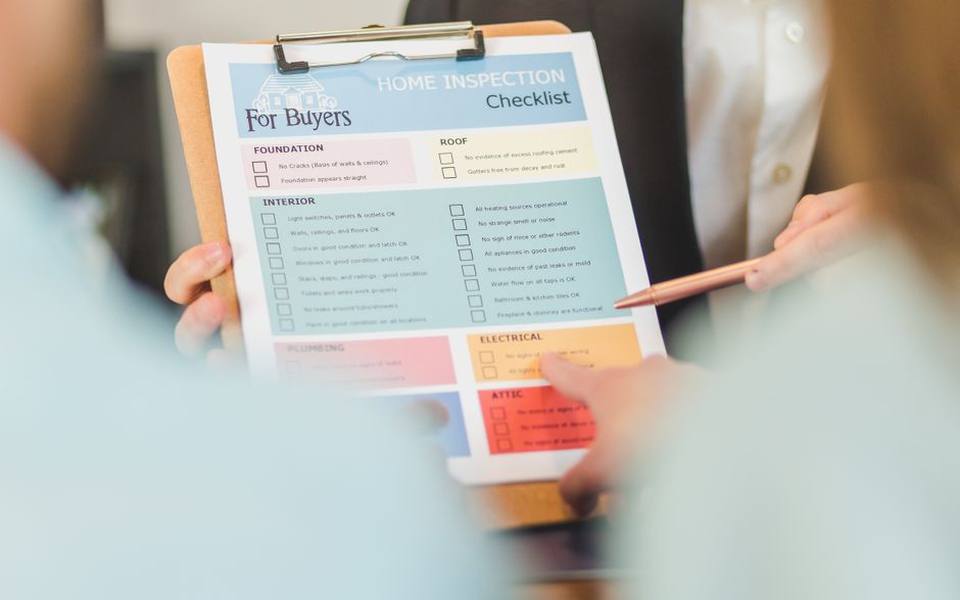
Finally, ensure the purchase contract includes standard contingencies for independent home and termite inspections, title verification, and park residency approval. Park managers generally perform credit background checks and income verification before approving an incoming resident for a lease. Securing management approval prior to waiving contingencies prevents costly legal headaches and ensures a smooth transition into your new fairway lifestyle.
Published 2026-09-21 · reviewed with each rebuild, last September 2026.
Find driving ranges near you
The directory lists 3,693 driving ranges by state and city — pick your state or use the “Near me” button in the header.
More guides
-
 Buying
Realistic Costs and Equipment Needed for a Home Golf Simulator
-
 Service
Golf Club Maintenance: Regripping and Reshafting Guide
-
 Money
MoneyGolf Lessons Cost and Beginner Guide: What to Expect and How to Budget
-
 Buying
Golf Club Fitting Cost and Selection Guide
-
 Buying
A Practical Guide to Buying, Selling, and Trading In Used Golf Clubs
-
 Money
MoneyDriving Range Costs, Practice Routines, and Range Etiquette
-
 Service
Fixing Topped Shots and Improving Ball Striking on the Range
-
 Buying
Best Golf Launch Monitors Buying Guide: Space, Tech, and Budget
-
 Buying
The Complete Guide to Buying Used Golf Clubs and Pre-Owned Equipment
-
 Buying
How to Choose the Best Local Golf Shop and Pro Shop Services
-
 Owning
Miniature Golf and Putt-Putt Guide: Rules, Courses, and Family Fun
-
 Service
Complete Guide to Custom Golf Fitting and Shaft Selection
-
 Buying
Complete Guide to Buying and Maintaining Golf Shoes and Cleats
-
 Owning
Designing and Installing Indoor and Backyard Putting Greens
-
 Service
Golf Swing Analytics, Speed Training, and Shot Tracking Systems
-
 Buying
Golf Practice Nets, Driving Mats, and Backyard Hitting Setups
-
 Buying
How to Buy Used Golf Clubs and Get the Best Demo Day Deals
-
 Owning
Custom Golf Gear Personalization: Stampers, Bags, and Embroidery
-
 Buying
Selecting and Setting Up Home Golf Simulators and Launch Monitors
-
 Service
Choosing Golf Academies, Lessons, and Coaching Programs
-
 Buying
Custom Golf Club Fitting: Shafts, Clubheads, and Specifications
-
 Service
Entertainment Driving Ranges: Planning Group Outings, Corporate Events, and Bachelor Parties
-
 Service
Mini Golf, Footgolf, and Indoor Golf: Complete Venue Guide and Directory
-
 Owning
Tournaments, Scoring Tech, and Gear Upkeep: The Modern Golfer's Guide
-
 Buying
Golf Equipment and Club Fitting Guide: Starter Sets, Drivers, and Custom Builds
-
 Buying
Finding the Right Golf Pro Shop and Equipment Retailer
-
 Owning
Designing and Hosting Mini Golf Events: Indoor Party Venues and Practice Games
-
 Buying
Indoor Golf Practice and Launch Monitors: How to Build Your Studio
-
 Buying
Golf Laser Rangefinders Buyer's Guide: Features, Accuracy, and Value
-
 Owning
Golf Club Groove Maintenance: Tools, Techniques, and Equipment Care
-
 Buying
Commercial Golf Green Mowers: Maintenance, Selection, and Buying Guide
-
 Owning
Best Mobile Golf Simulators and Games for Practice and Play
-
 Owning
Fixing Heavy Contact, Managing Distance, and Choosing Cold-Weather Gear
-
 Buying
Club Car Golf Carts: The Practical Guide to Buying, Inspecting, and Customizing
-
 Owning
Complete Guide to Putt-Putt Games: History, Titles, Platforms, and Walkthroughs
-
 Service
Top Sports Bars and Lounges: How to Pick the Best Game-Day Spots in NYC and Florida
-
 Safety
24-Hour Gun and Shooting Ranges: Availability, Rules, and Finding Round-the-Clock Facilities