The Evolution of Short-Format Golf and Putting Centers
Finding casual golf entertainment has expanded well beyond the classic seasonal windmill obstacle course. Across the country, players looking for relaxed putting, soccer-infused footgolf, and high-tech simulator bays can choose from dedicated family fun centers, standalone miniature courses, and full-scale municipal sports complexes. Whether you want an hour of casual putting after dinner or a rain-proof indoor setup during freezing winters, modern venues cater to casual dates, competitive league players, and weekend family outings alike.
Traditional outdoor mini golf remains the backbone of warm-weather recreation, offering eighteen holes built around concrete borders, artificial turf carpets, elevation drops, and mechanical hazards. In contrast, modern commercial venues increasingly incorporate screen-based technology, microchipped golf balls, and climate-controlled lounges that keep the game playable twelve months a year. Understanding the differences between these facility formats helps you pick the right destination based on travel time, party size, and current weather.
Footgolf has also carved out a steady home on traditional executive layouts, blending conventional soccer with standard golf etiquette and basic course routing. By sharing manicured fairways with regular golfers while using dedicated 21-inch cups off to the sides of the greens, footgolf offers an approachable cross-training activity. If you are comparing your weekend options, having an eye on the specific layout and amenities makes all the difference before loading the car.
How to Track Down Quality Miniature Golf Near Your Location
When looking for miniature golf near your location, the quickest path to a solid course is checking regional recreation parks, standalone batting-cage complexes, and full-service practice ranges. Many standalone public driving ranges operate an 18-hole putting track right beside their main tee line, giving families and serious golfers a shared destination with plenty of parking and accessible restrooms.
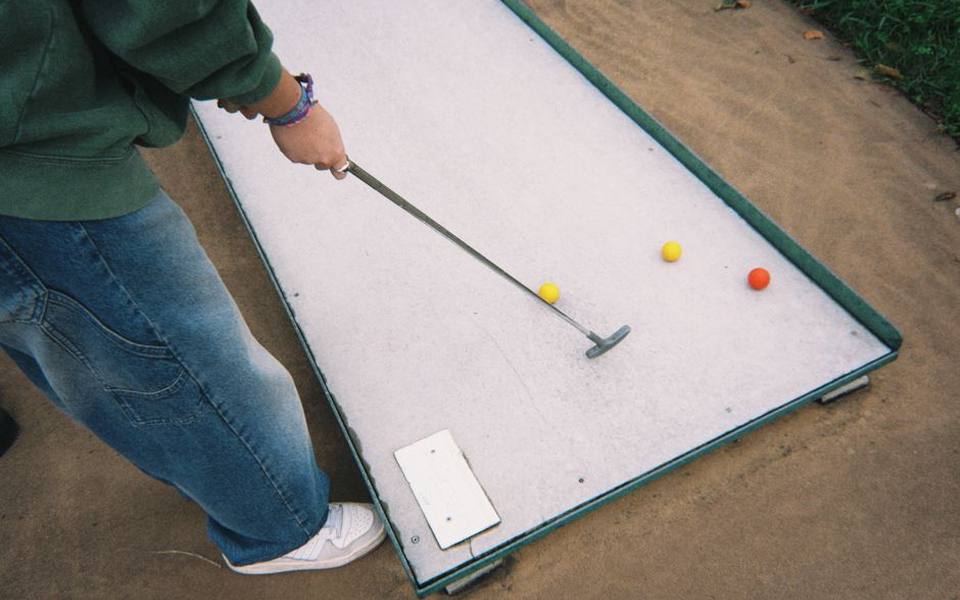
Evaluating course quality before you go saves you from dealing with torn felt surfaces, waterlogged obstacles, or broken perimeter borders. Well-maintained properties replace their outdoor turf rugs periodically, sweep off loose gravel and pine needles daily, and maintain working water features like streams and decorative waterfalls. Online photos taken within the last few months provide a reliable snapshot of whether the management keeps the grounds clean and properly manicured.
Keep operating calendars in mind when planning visits during shoulder seasons in spring and autumn. Outdoor setups in northern climates usually close their outdoor water features and turf tracks between late October and mid-April to avoid freeze-thaw damage. In southern states, courses stay open throughout the winter, although daytime hours may shift noticeably to accommodate cooler evening crowds seeking lighted driving ranges and evening family entertainment.
Putting and Short Game Spots Across Northern Virginia
Northern Virginia offers a deep concentration of community parks, family centers, and commercial hubs spread along the Beltway and extending out into Loudoun County. In communities around Fairfax, local recreational hubs feature wooded, rolling 18-hole mini layouts nestled next to athletic fields and tennis complexes. These spots offer shaded fairways beneath mature hardwoods, which provides much-needed relief during humid Mid-Atlantic summer afternoons.
Closer to the Potomac River in Alexandria, players can explore both classic multi-attraction amusement parks and seasonal waterfront putting greens. Alexandria properties typically appeal to a mix of young professionals, school groups, and visitors seeking convenient weekend activities just minutes from regional expressways. The putting surfaces in this pocket tend toward traditional obstacle designs, featuring loops, humps, and winding channels carved into synthetic turf.
Heading northwest toward Sterling and the Dulles tech corridor, entertainment centers take on a modern, multi-tiered format. Visitors in Sterling frequently encounter all-in-one entertainment complexes where outdoor miniature courses sit alongside driving ranges, go-kart tracks, and expansive indoor arcades. The spacious suburban footprint allows for larger holes, varied elevation changes, and ample group seating for corporate parties or weekend birthdays.
Exploring Maryland Courses from Rockville and Frederick to Baltimore
Maryland holds an equally varied selection of putting courses, stretching from suburban Montgomery County up into western Maryland and across the Baltimore metro grid. In Rockville, family recreation centers focus on manicured landscaping and accessibility, serving dense residential neighborhoods with clean, well-lit evening rounds. These suburban Montgomery County courses often feature rock-lined water hazards, floral garden perimeters, and ADA-compliant walking paths that accommodate strollers and wheelchairs.
Further north along Interstate 270, Frederick provides a blend of historic charm and spacious commercial entertainment. Putting courses in the Frederick area usually operate as part of larger family sports parks featuring go-karts, laser tag, and batting cages. The open landscape of Frederick County allows for sprawling, multi-tier hole layouts with dramatic waterfalls, footbridges, and gentle sloped fairways that challenge putters of all experience levels.
Around Baltimore, the scene ranges from urban waterfront pop-up greens to venerable highway-corridor entertainment centers that have operated for decades. Metro Baltimore venues typically emphasize high-volume group outings, youth leagues, and festive birthday packages. Whether playing near the Beltway interchanges or out toward the county line, players can expect a classic Mid-Atlantic mix of castle architecture, tiered banking angles, and lively competitive layouts.
Indoor Putting and All-Season Golf Across Buffalo and New York
Winter weather in upstate New York requires recreation seekers to head indoors for several months out of the year, driving significant demand for covered entertainment. In Buffalo, indoor mini golf facilities frequently utilize blacklight visual themes, neon turf accents, and heated indoor sports bubbles to maintain year-round operations. These indoor tracks allow families to escape lake-effect snowstorms while enjoying eighteen full holes of obstacle-laden putting.
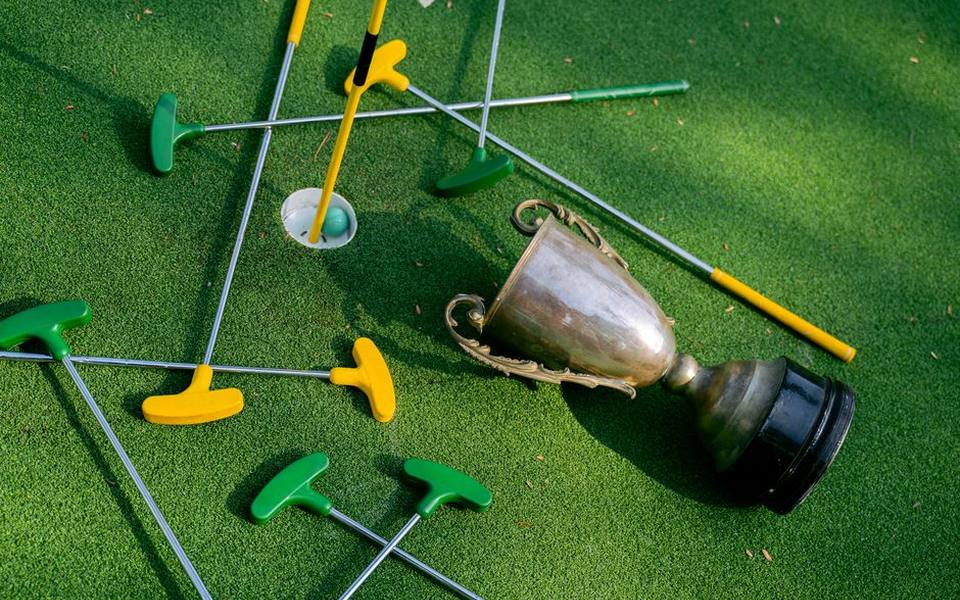
Beyond themed glow-in-the-dark venues, the broader New York region has embraced commercial simulator lounges that blend casual putting games with virtual links. Visiting golfers who look through driving ranges in New York often find venues that pair indoor launch monitors with small practice greens, catering to casual putters and dedicated players polishing their mechanics through sub-zero winter stretches.
Commercial indoor complexes in western New York commonly package indoor miniature golf alongside arcade gaming, escape rooms, and bowling lanes under a single roof. This setup makes them prime destinations for winter school breaks, holiday parties, and weekend gatherings when frozen outdoor turf makes traditional putting completely impossible. Rates for indoor rounds generally remain comparable to seasonal outdoor play, though advance timed ticketing is standard on snowy weekends.
Midwestern Miniature Golf and Family Fun in Kalamazoo and Michigan
Southwest Michigan boasts a rich tradition of warm-weather family entertainment centers, with Kalamazoo sitting right at the heart of the regional action. During the sunny months between May and September, players throughout Kalamazoo flock to outdoor putting tracks built along tree-lined parkways and county recreation complexes. These Michigan courses commonly feature cascading timber flumes, local stone landscaping, and winding pathways framed by native pines and flowering shrubs.
As part of the wider network of driving ranges in Michigan, many local family golf centers maintain dual facilities featuring standard practice tees right beside their miniature golf courses. This dual-purpose setup lets parents practice full-swing iron shots while children and casual visitors navigate the miniature bank shots, ramps, and loop-de-loops just a few yards away.
When cold Midwest fronts move across Lake Michigan in late autumn, regional businesses either shutter until spring thaw or convert indoor spaces to seasonal putting and simulator bays. Kalamazoo locals seeking winter options frequently rely on regional indoor sports domes and private golf lounges equipped with synthetic turf putting strips, virtual green software, and multi-sport simulation screens that keep clubs in hand all year.
Mid-South Greens: Northern Kentucky and Knoxville Destinations
Just south of Cincinnati along the northern edge of Kentucky, Erlanger hosts longstanding family fun centers known for classic Americana styling. Miniature golf around Erlanger leans into retro layouts characterized by clean brick borders, geometric angles, moving obstacles, and iconic statuary. These facilities retain an authentic mid-century charm while offering exceptionally well-kept synthetic carpets that deliver fast, true ball roll for purists who love trick-shot geometry.
Down in East Tennessee, Knoxville serves up outdoor putting options framed by the scenic foothills of the Great Smoky Mountains. Knoxville venues range from standalone entertainment parks equipped with full laser tag arenas to scenic outdoor mini tracks set against hardwood groves. The rolling regional topography allows course designers to build dramatic elevation changes, requiring players to gauge speed carefully on downhill putts and sharp tiered breaks.
Given the mild spring and autumn climates typical of Northern Kentucky and Tennessee, outdoor courses in Erlanger and Knoxville enjoy extended operating seasons compared to Great Lakes venues. Most locations stay active well into November, turning on powerful floodlights after dusk so that evening putters can finish their rounds under crisp, clear southern skies.
Year-Round Coastal Putting Along Mobile and the Alabama Gulf Coast
In Mobile and the surrounding lower Alabama coastline, miniature golf operates on a virtually year-round schedule thanks to the gentle subtropical climate. Properties across the Mobile Bay area incorporate maritime themes, pirate ships, tropical palm landscaping, and extensive water features that mirror the Gulf Coast lifestyle. Because freezing weather is exceedingly rare, local operators focus their routine maintenance on managing summer humidity, heavy coastal showers, and intense midday sunshine.
To counter the Alabama heat during July and August, Mobile venues typically feature shaded pavilion canopies, misting stations along the walkways, and late-night lighting that lets families play comfortably after sunset. Evening rounds are especially popular among both local residents and tourists traveling between downtown Mobile, the eastern shore towns, and the barrier island beaches.
These Gulf Coast destinations often form the anchor attraction for comprehensive amusement parks featuring go-karts, bumper boats, and redemption arcades. Because tourism drives steady volume throughout the spring and summer break seasons, courses maintain high surface standards, replacing worn turf strips and repainting hazard perimeters regularly to handle continuous daily foot traffic.
Footgolf: How the Hybrid Game Works and Where to Play
Footgolf combines the basic rules and strategy of golf with the mechanics of kicking a regulation soccer ball. The sport is played primarily on shortened traditional golf layouts, par-3 executive tracks, or dedicated suburban parkland. Instead of hitting toward a four-inch cup cut into delicate bentgrass, footgolfers aim for massive 21-inch cups dug into rough areas or adjacent aprons, ensuring regular golf greens remain completely protected from cleat marks and ball impact.
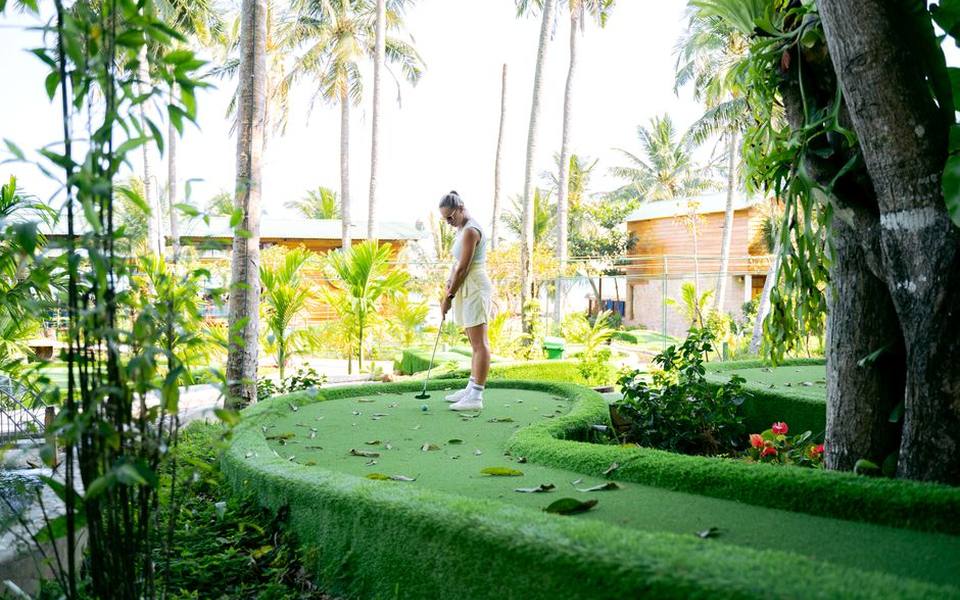
The scoring and etiquette mirror standard stroke play: each kick counts as a single stroke, hazard penalties apply for water and out-of-bounds stakes, and the player furthest from the hole always kicks first. A typical eighteen-hole footgolf round carries a par between 70 and 72, with hole distances ranging from 50 yards on short downhill par-3s up to 230 yards on sweeping par-5 fairways. The game requires neither specialized athletic training nor expensive equipment, making it an accessible group outing.
Equipment needs are minimal, but dress codes are strictly enforced at established golf clubs hosting footgolf. Standard turf shoes, indoor soccer flats, or running sneakers are required; traditional outdoor cleats with sharp plastic or metal studs are universally banned to prevent damage to turf roots. Most courses rent regulation size-5 soccer balls for a nominal fee, though bringing your own ball guarantees preferred inflation and touch.
Indoor Simulator Lounges Versus Traditional Mini Golf
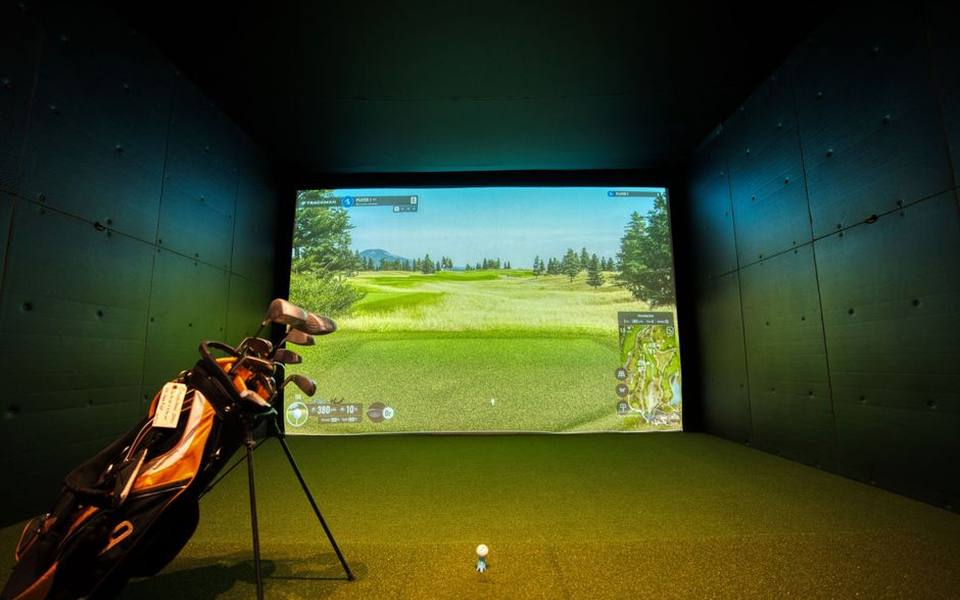
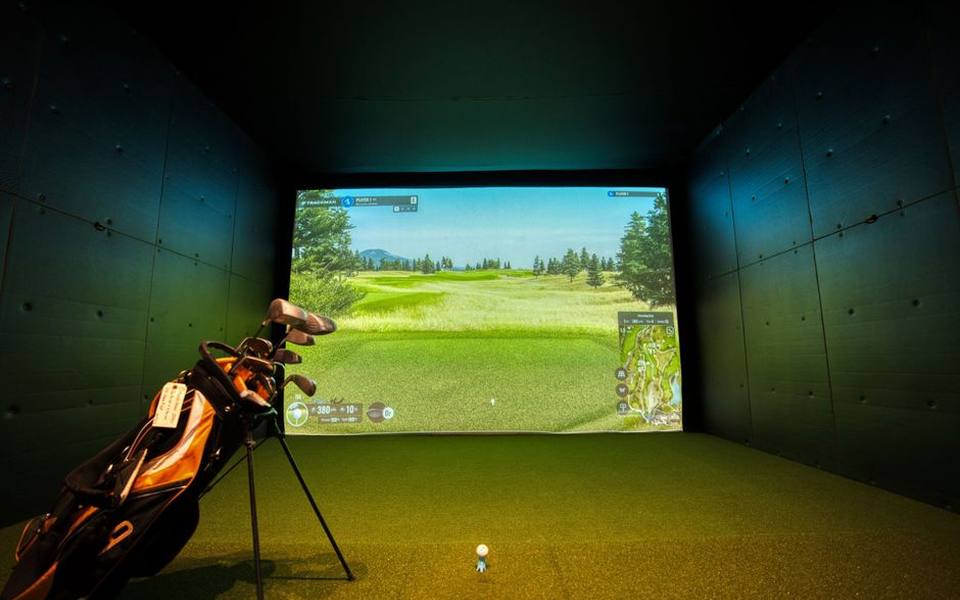
The explosive rise of screen golf has introduced a high-tech alternative to traditional concrete putting tracks. Visiting an establishment with indoor golf and simulator bays gives players access to launch monitors that measure ball speed, launch angle, clubface delivery, and green roll with high-speed cameras. These venues focus heavily on hospitality, offering comfortable lounge seating, food service, and full beverage menus alongside virtual entertainment.
While traditional mini golf emphasizes physical obstacles, ramps, and direct family play, indoor simulators provide software modes that cater to every skill bracket. You can switch instantly from playing eighteen virtual holes at legendary championship courses to family-friendly mini games featuring carnival targets, virtual putting courses, and longest-drive challenges. This versatility makes simulator lounges a popular option for evening adult gatherings, bachelor parties, and winter practice leagues.
Cost structures differ noticeably between the two styles of play. Classic miniature golf charges a flat ticket price per player per 18-hole round, making it an affordable, budget-friendly outing for families. Simulator venues, on the other hand, typically bill by the hour for the entire bay regardless of player count. For groups of three to six people sharing an indoor bay for an hour or two, the hourly cost per person often balances out to a reasonable rate.
Planning Your Visit: Costs, Timing, and Course Etiquette
Standard outdoor miniature golf tickets typically cost between eight and fifteen dollars per player for an eighteen-hole round, depending on the venue's location, complexity, and regional market. Many multi-attraction family parks offer all-inclusive wristbands or replay discounts that allow you to play a second round for roughly half price. Children and seniors usually receive discounted entry, and large groups can often arrange discounted corporate or birthday rates with advance notice.
Pacing your play keeps the course enjoyable for everyone sharing the links. Standard mini golf etiquette calls for allowing the group ahead to finish putting out and exit the green completely before hitting your first tee shot. Most facilities enforce a six-stroke maximum rule per hole: if your ball has not dropped into the cup after six attempts, simply pick it up, record a score of six on your card, and let the next group play through.
Peak attendance hits on weekend afternoons, summer evenings after sunset, and school holiday breaks. If you prefer a calm round without long waits at every tee box, aim for weekday mornings or late afternoon hours just before the post-dinner rush arrives. Selecting the right window ensures a relaxing pace, plenty of space to line up your putts, and easy access to clubhouse refreshments.
Published 2026-09-21 · reviewed with each rebuild, last September 2026.
Find driving ranges near you
The directory lists 3,693 driving ranges by state and city — pick your state or use the “Near me” button in the header.
More guides
-
 Buying
Realistic Costs and Equipment Needed for a Home Golf Simulator
-
 Service
Golf Club Maintenance: Regripping and Reshafting Guide
-
 Money
MoneyGolf Lessons Cost and Beginner Guide: What to Expect and How to Budget
-
 Buying
Golf Club Fitting Cost and Selection Guide
-
 Buying
A Practical Guide to Buying, Selling, and Trading In Used Golf Clubs
-
 Money
MoneyDriving Range Costs, Practice Routines, and Range Etiquette
-
 Service
Fixing Topped Shots and Improving Ball Striking on the Range
-
 Buying
Best Golf Launch Monitors Buying Guide: Space, Tech, and Budget
-
 Buying
The Complete Guide to Buying Used Golf Clubs and Pre-Owned Equipment
-
 Buying
How to Choose the Best Local Golf Shop and Pro Shop Services
-
 Owning
Miniature Golf and Putt-Putt Guide: Rules, Courses, and Family Fun
-
 Service
Complete Guide to Custom Golf Fitting and Shaft Selection
-
 Buying
Complete Guide to Buying and Maintaining Golf Shoes and Cleats
-
 Owning
Designing and Installing Indoor and Backyard Putting Greens
-
 Service
Golf Swing Analytics, Speed Training, and Shot Tracking Systems
-
 Buying
Golf Practice Nets, Driving Mats, and Backyard Hitting Setups
-
 Buying
How to Buy Used Golf Clubs and Get the Best Demo Day Deals
-
 Owning
Custom Golf Gear Personalization: Stampers, Bags, and Embroidery
-
 Buying
Selecting and Setting Up Home Golf Simulators and Launch Monitors
-
 Service
Choosing Golf Academies, Lessons, and Coaching Programs
-
 Buying
Custom Golf Club Fitting: Shafts, Clubheads, and Specifications
-
 Service
Entertainment Driving Ranges: Planning Group Outings, Corporate Events, and Bachelor Parties
-
 Owning
Tournaments, Scoring Tech, and Gear Upkeep: The Modern Golfer's Guide
-
 Buying
Golf Equipment and Club Fitting Guide: Starter Sets, Drivers, and Custom Builds
-
 Buying
Finding the Right Golf Pro Shop and Equipment Retailer
-
 Owning
Designing and Hosting Mini Golf Events: Indoor Party Venues and Practice Games
-
 Buying
Indoor Golf Practice and Launch Monitors: How to Build Your Studio
-
 Buying
Golf Laser Rangefinders Buyer's Guide: Features, Accuracy, and Value
-
 Owning
Golf Club Groove Maintenance: Tools, Techniques, and Equipment Care
-
 Buying
Commercial Golf Green Mowers: Maintenance, Selection, and Buying Guide
-
 Owning
Best Mobile Golf Simulators and Games for Practice and Play
-
 Owning
Fixing Heavy Contact, Managing Distance, and Choosing Cold-Weather Gear
-
 Buying
Club Car Golf Carts: The Practical Guide to Buying, Inspecting, and Customizing
-
 Owning
Complete Guide to Putt-Putt Games: History, Titles, Platforms, and Walkthroughs
-
 Service
Top Sports Bars and Lounges: How to Pick the Best Game-Day Spots in NYC and Florida
-
 Safety
24-Hour Gun and Shooting Ranges: Availability, Rules, and Finding Round-the-Clock Facilities
-
 Owning
Golf Green Mobile Estates: Guide to Golf Community Living and Amenities