What You Can Expect to Pay Across the Country
Private golf coaching across the United States typically ranges between $60 and $150 for an individual hour-long session, depending heavily on your metropolitan market, the teacher's credentials, and whether you practice at a standalone facility or a high-end country club. Group clinics and small group introductions are noticeably more affordable, often falling between $25 and $50 per person for an hour of fundamentals. When exploring local facilities that host driving ranges with golf lessons, you will quickly notice that rates reflect both instructor demand and the training tools at their disposal.
Junior rates, senior discounts, and off-peak weekday packages often shave ten to twenty percent off standard rates. In contrast, working with a nationally ranked coach or a master PGA professional in major markets like Southern California or South Florida can push hourly rates beyond $200 or even $300. However, for anyone stepping onto the tee line for the very first time, elite rates are rarely necessary to build a clean, functional swing.
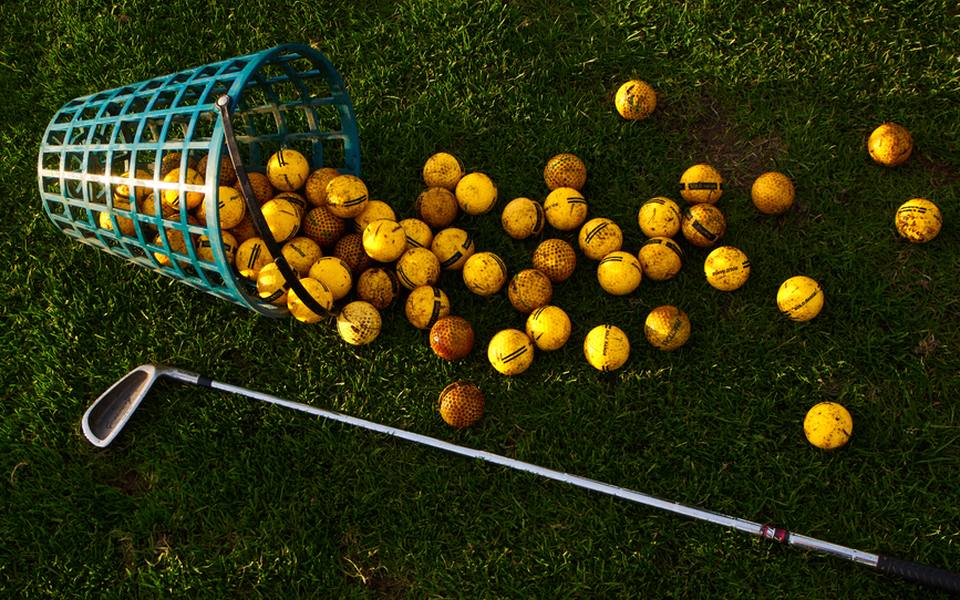
Before you commit your recreation budget to a specific coach, remember that your lesson fee rarely covers incidental expenses. You will still need to buy range balls during your session unless the facility explicitly bundles practice buckets into the teaching agreement. Knowing these small baseline numbers makes planning your first few months on the range far less stressful.
Private Sessions Versus Group Clinics for Newcomers
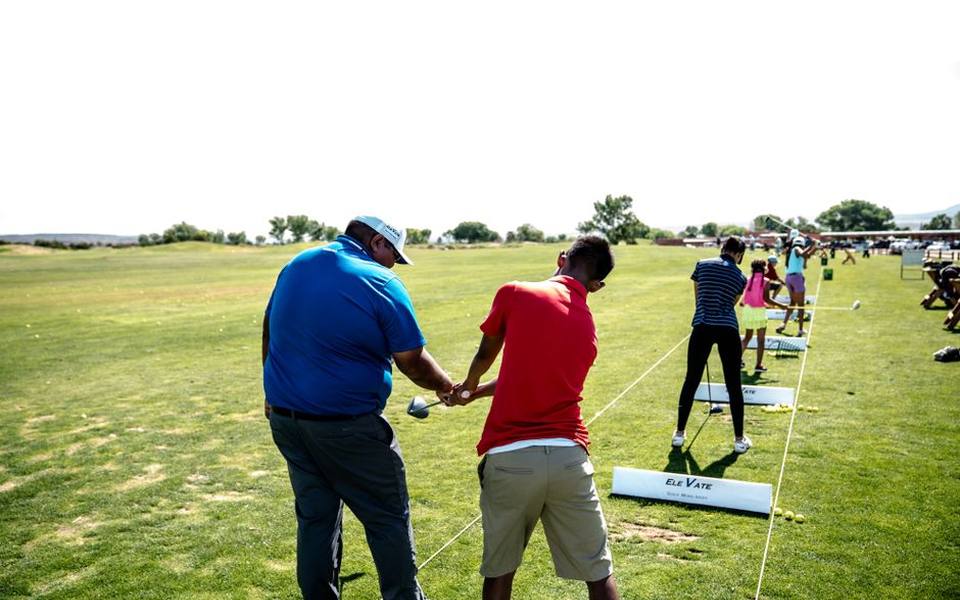
Deciding between one-on-one coaching and group clinics depends primarily on how you absorb new physical movement patterns and what your initial budget looks like. Group classes provide a relaxed, low-pressure introduction where four to eight beginners learn the fundamentals of grip, posture, and setup side by side. Because the coach rotates attention across several students, you get bite-sized instruction followed by self-directed reps, which prevents information overload early on.
Private sessions, by comparison, put undivided professional attention on your unique physical mechanics from the first swing. An individual coach tailors feedback specifically to your mobility limits, athletic background, and immediate swing faults, which can accelerate mechanical breakthroughs dramatically. If you struggle with coordination or feel self-conscious practicing in front of peers, paying the premium for private coaching often yields faster, more lasting comfort.
A balanced approach that many thrifty beginners use is taking an introductory multi-week group clinic to learn the basic vocabulary of the golf swing, followed by a standalone private session once a month. This hybrid routine keeps your out-of-pocket costs manageable while ensuring personal technical errors get caught before turning into stubborn muscle memory.
How Multi-Lesson Packages and Memberships Lower Rates
Almost every teaching professional and independent golf academy offers structured packages that reduce the per-hour cost significantly compared to booking individual single sessions. A typical package bundles five or six lessons for the price of four or five, bringing the average hourly fee down by fifteen to twenty-five percent. Committing to a series also creates structured accountability, giving you clear weekly benchmarks instead of wandering onto the range without a concrete practice plan.
Certain commercial practice complexes and indoor studios now operate on monthly subscription models, granting members one or two private thirty-minute evaluations alongside unlimited access to indoor golf and simulator bays. These arrangements can prove remarkably cost-effective during winter months or bad weather, as consistent weekly repetitions under digital supervision often beat infrequent marathon range sessions.
Before handing over payment for a five-lesson or ten-lesson package, always review the facility's cancellation rules and expiration timeline. Some instructors require packages to be completed within ninety days, while others let unused credits roll over for up to a full year. Make sure their weekly teaching availability aligns with your personal work schedule so your investment never goes unused.
Evaluating Local Instructors and Teaching Credentials
Finding a competent instructor in your immediate area starts with looking past flashy marketing and verifying formal teaching accreditations. In the United States, instructors certified through the PGA of America or LPGA have completed rigorous training programs covering swing biomechanics, ball flight laws, club performance, and student communication. While uncertified instructors can certainly be talented ball strikers, certified coaches have proven pedagogical training tailored specifically to beginner golfers.
A great teacher for a brand-new golfer is not necessarily the coach training competitive college athletes. High-level performance coaches often focus on micro-adjustments and track launch monitor numbers that can overwhelm a novice. You want a patient communicator who simplifies concepts, focuses primarily on setup mechanics, and explains the 'why' behind an athletic movement without drowning you in technical jargon.
Do not hesitate to visit your local practice range and observe instructors while they work with other everyday students. Watch their demeanor: are they constantly looking at their smartphone, or are they actively engaged, demonstrating body feels, and encouraging the student through bad strikes? A ten-minute observation from behind the tee line will tell you far more than an online profile.
What Actually Happens During Your First Beginner Lesson
Your initial session on the practice tee rarely involves crushing long drives; instead, a reputable coach starts with a brief interview about your athletic background, physical limitations, and personal goals. They will want to know whether you have played racket sports, baseball, or hockey, as rotational movements from those activities translate directly into the golf swing. From there, the coach will examine your basic grip, posture, and alignment before you ever take a full swing.
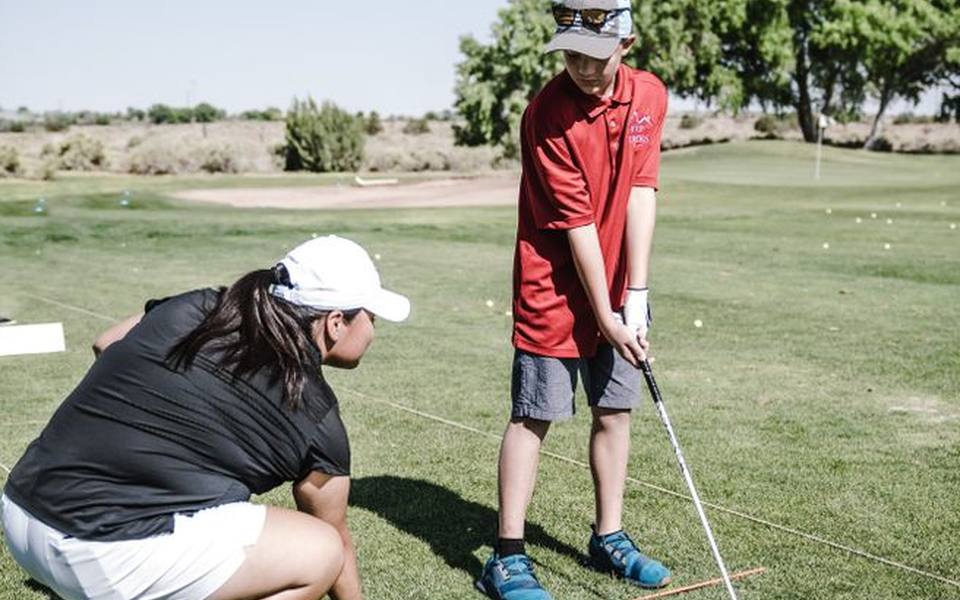
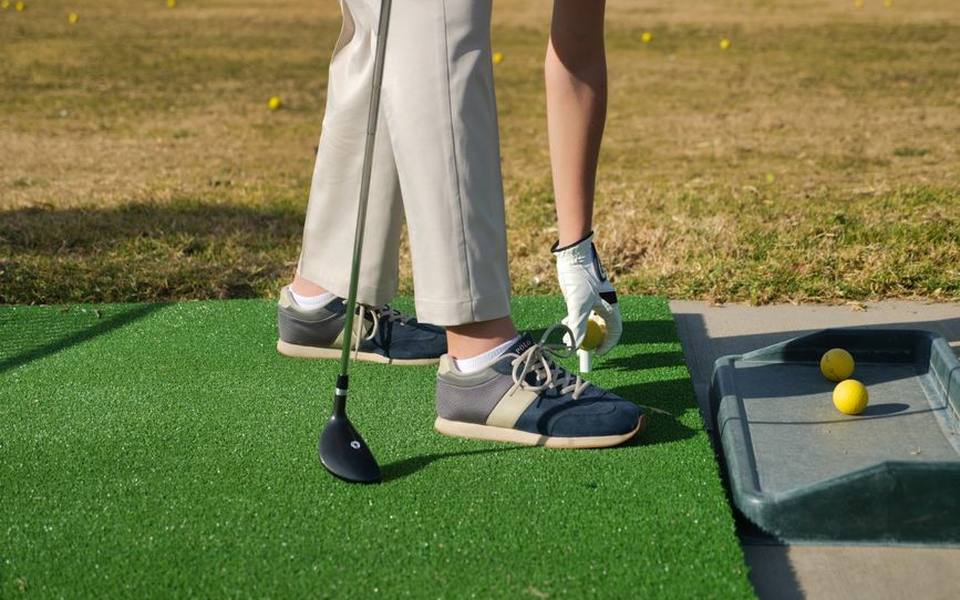
Most of your first hour will center around short, controlled swings using a mid-iron like a 7-iron or 8-iron. You will learn the mechanics of the address position: bending from the hips, keeping a soft knee flex, and letting your arms hang naturally beneath your shoulders. The coach will guide your takeaway and follow-through, helping you feel the rhythm of rotating your torso rather than simply lifting the club with your wrists.
Modern coaching frequently incorporates quick smartphone or tablet video analysis during this first meeting. Seeing your own posture on screen makes an immediate impact, bridging the gap between what your body feels like it is doing and what is actually happening. Expect to leave your first lesson with two or three specific practice drills rather than a completely overhauled swing.
Equipment Needs and Avoiding Unnecessary Early Purchases
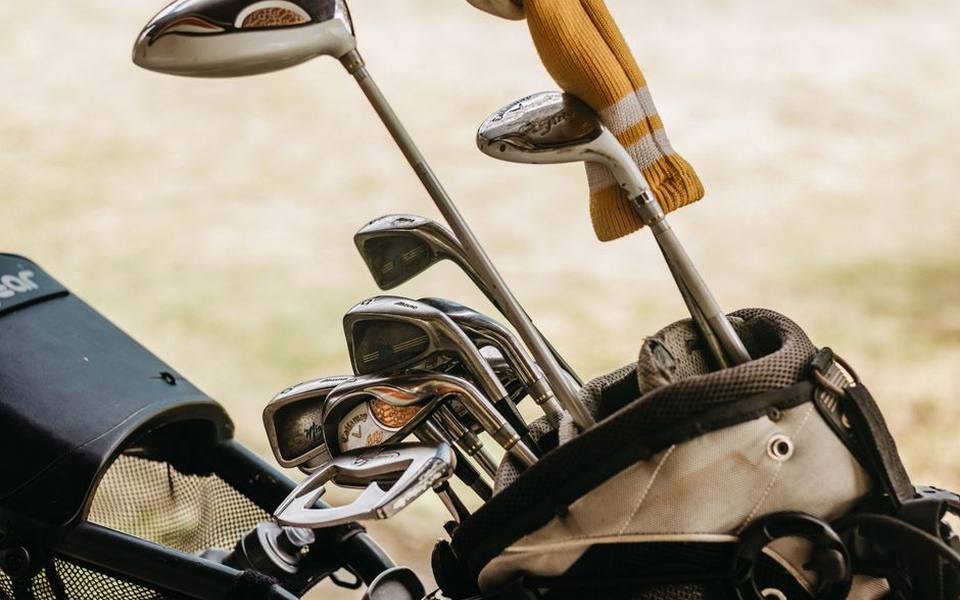
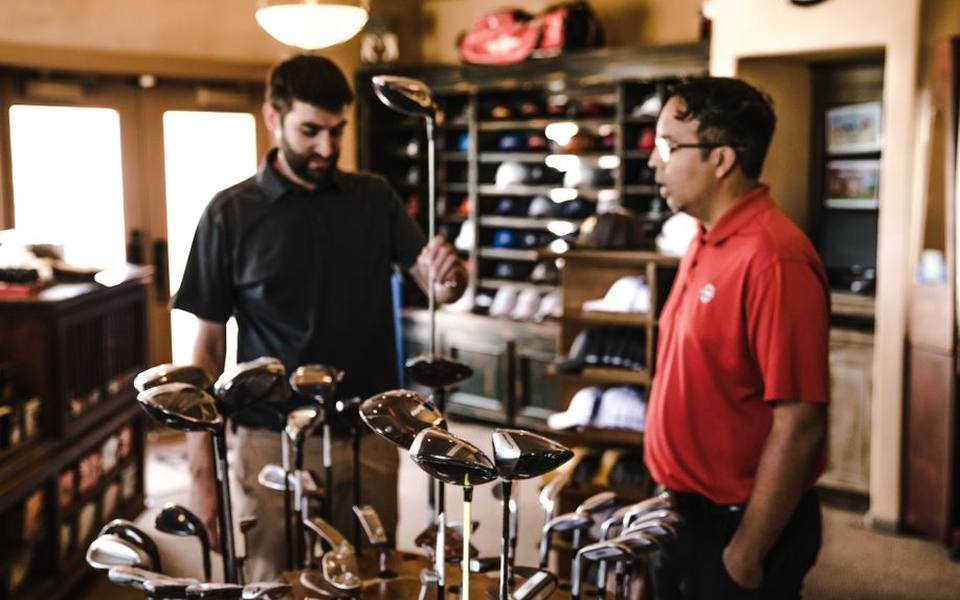
One of the most common mistakes newcomers make is spending thousands of dollars on a brand-new set of golf clubs before their very first lesson. In reality, most certified instructors and dedicated practice centers have loaner clubs available in the pro shop or teaching shed for beginners to use free of charge. Learning your basic swing speed and delivery pattern first prevents you from buying shafts that are too stiff, too heavy, or completely wrong for your build.
If you already own a hand-me-down set or a budget starter package, bring those along so the instructor can verify that the lengths and grips fit your hands comfortably. If the rubber grips feel slick, dry, or cracked from years of sitting in a garage, visiting an on-site shop for golf club regripping is an inexpensive fix that immediately improves your control without requiring new hardware.
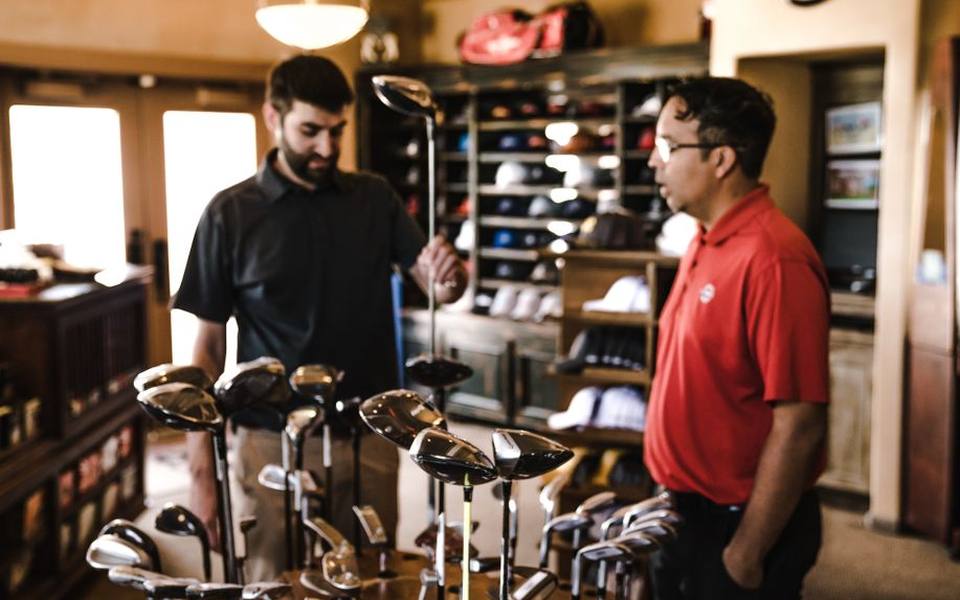
Once you develop a consistent ball-striking motion after several months of regular practice, you can explore professional club fitting services. Getting measured ensures your future set matches your exact wrist-to-floor measurements and swing velocity, saving you from costly equipment regrets down the road.
Regional Pricing Variations and Local Market Differences
Geographic location plays a substantial role in coaching costs across the country. In sprawling metropolitan hubs with year-round outdoor seasons, instruction rates tend to sit higher due to commercial real estate overhead and sustained player demand. For instance, players browsing driving ranges in Texas or year-round coastal communities in Florida will encounter broad price spreads between municipal municipal complexes and private golf performance institutes.
In regional markets like the Dallas-Fort Worth metroplex, standard private rates typically hover around $75 to $130 per hour at municipal and independent facilities, while luxury resort academies push considerably higher. Conversely, in Midwestern or smaller interior markets, solid professional instruction can often be found for $50 to $85 per session, especially during shoulder seasons when ranges are less crowded.
Weather patterns also influence instructional value. In regions subject to heavy rain or harsh winters, seeking out climate-controlled facilities or covered ranges ensures you do not waste booked instruction slots on weather cancellations. Paying slightly more per hour for a covered, heated stall often beats losing momentum due to persistent seasonal rainouts.
Technology in Modern Lessons: When It Helps and When It Distracts
High-tech launch monitors, high-speed cameras, and pressure-plate mats have transformed how golf instruction is delivered over the past decade. Top-tier teaching bays use radar and optical sensors to measure club path, face angle at impact, ball speed, and spin axis down to fractions of a degree. For experienced ball strikers, this immediate feedback loop eliminates guesswork and accelerates precision tuning.
For raw beginners, however, raw data feeds can occasionally cause cognitive overload. If an instructor spends forty minutes analyzing spin rates and smash factor numbers when you are still struggling to hit the center of the clubface, the technology becomes a barrier rather than a benefit. Beginners gain far more from tactile feedback, swing plane noodles, alignment rods, and simple impact tape that clearly shows where the ball met the clubface.
That said, entry-level ball tracking has enormous value when you practice between lessons. Many public facilities now incorporate automated tracking screens in standard hitting bays, letting you visualize ball trajectory and carry distances without needing an advanced physics degree. Used thoughtfully, technology supports mechanical coaching without replacing basic movement fundamentals.
Building an Affordable Practice Plan Between Lessons
Taking a lesson every week without hitting balls on your own in between is the fastest way to waste coaching dollars. Instruction merely introduces mechanical adjustments and physical feels; it is your deliberate, solo practice repetitions that convert those concepts into automatic motor habits. A dependable rule of thumb is spending two or three focused solo practice sessions on the range for every single hour spent with your instructor.
Quality repetitions always outweigh quantity when working on swing changes. Instead of buying a jumbo bucket of one hundred balls and machine-gunning them into the outfield within twenty minutes, buy a small or medium bucket of forty balls. Step away after every single strike, reset your grip and stance, run through your coach's drill checkpoints, and execute each swing with full intent.
Round out your practice regimen by taking advantage of putting greens and chipping areas, which are almost always free to use at public facilities. Building soft hands and solid distance control around the greens costs nothing in range ball fees, yet short-game proficiency accounts for more than half of your total strokes during an actual round of golf.
Transitioning from Range Practice to Your First Real Round
Graduating from the flat rubber mat of a driving range to an actual golf course can feel intimidating, but taking an on-course playing lesson eases that transition smoothly. Many coaches offer two-hour, nine-hole playing sessions where they guide you through pre-shot routines, uneven lies, bunker play, basic course etiquette, and pace of play. Playing lessons typically cost more than range sessions, but they teach vital course management skills that a flat stall can never simulate.
When you feel ready to head out on your own, choose quiet afternoon twilight hours or start at a local par-3 executive course. Par-3 layouts feature shorter holes where you can play with mid-irons and wedges without the stress of navigating forced water carries or four-hundred-yard fairways. Twilight tee times also mean fewer golfers behind you, allowing you to pick up your ball if a hole goes sideways without holding up the course.
Remember that every single golfer on the course was once a nervous beginner standing over their first tee shot. Keep your routine simple, respect basic safety guidelines by never swinging while others are within range, and celebrate solid ball contact rather than fixating on your total score. With steady practice and patient guidance, the game becomes deeply rewarding.
Published 2026-09-20 · reviewed with each rebuild, last September 2026.
Find driving ranges near you
The directory lists 3,693 driving ranges by state and city — pick your state or use the “Near me” button in the header.
More guides
-
 Buying
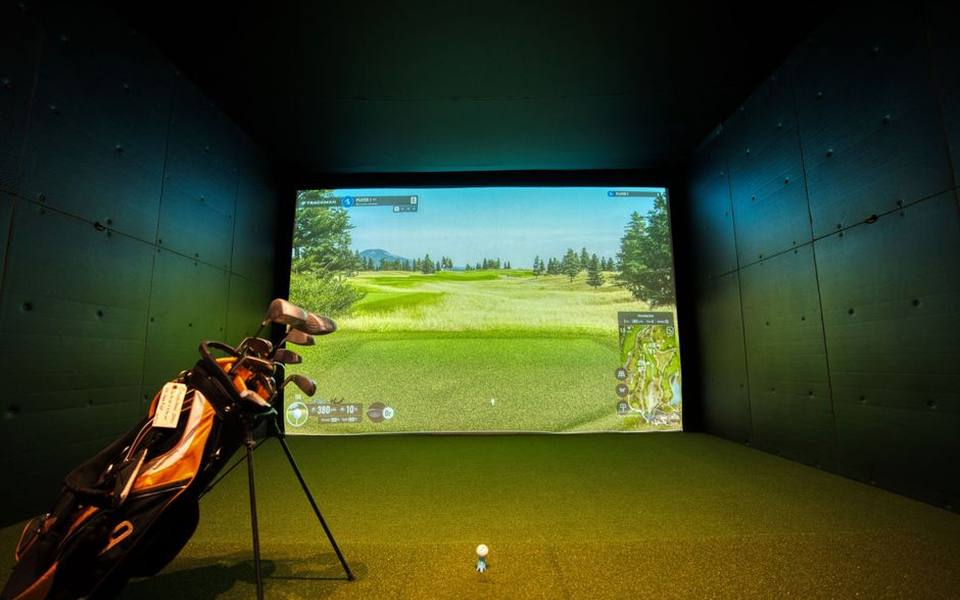
Realistic Costs and Equipment Needed for a Home Golf Simulator
-
 Service
Golf Club Maintenance: Regripping and Reshafting Guide
-
 Buying
Golf Club Fitting Cost and Selection Guide
-
 Buying
A Practical Guide to Buying, Selling, and Trading In Used Golf Clubs
-
 Money
MoneyDriving Range Costs, Practice Routines, and Range Etiquette
-
 Service
Fixing Topped Shots and Improving Ball Striking on the Range
-
 Buying
Best Golf Launch Monitors Buying Guide: Space, Tech, and Budget
-
 Buying
The Complete Guide to Buying Used Golf Clubs and Pre-Owned Equipment
-
 Buying
How to Choose the Best Local Golf Shop and Pro Shop Services
-
 Owning
Miniature Golf and Putt-Putt Guide: Rules, Courses, and Family Fun
-
 Service
Complete Guide to Custom Golf Fitting and Shaft Selection
-
 Buying
Complete Guide to Buying and Maintaining Golf Shoes and Cleats
-
 Owning
Designing and Installing Indoor and Backyard Putting Greens
-
 Service
Golf Swing Analytics, Speed Training, and Shot Tracking Systems
-
 Buying
Golf Practice Nets, Driving Mats, and Backyard Hitting Setups
-
 Buying
How to Buy Used Golf Clubs and Get the Best Demo Day Deals
-
 Owning
Custom Golf Gear Personalization: Stampers, Bags, and Embroidery
-
 Buying
Selecting and Setting Up Home Golf Simulators and Launch Monitors
-
 Service
Choosing Golf Academies, Lessons, and Coaching Programs
-
 Buying
Custom Golf Club Fitting: Shafts, Clubheads, and Specifications
-
 Service
Entertainment Driving Ranges: Planning Group Outings, Corporate Events, and Bachelor Parties
-
 Service
Mini Golf, Footgolf, and Indoor Golf: Complete Venue Guide and Directory
-
 Owning
Tournaments, Scoring Tech, and Gear Upkeep: The Modern Golfer's Guide
-
 Buying
Golf Equipment and Club Fitting Guide: Starter Sets, Drivers, and Custom Builds
-
 Buying
Finding the Right Golf Pro Shop and Equipment Retailer
-
 Owning
Designing and Hosting Mini Golf Events: Indoor Party Venues and Practice Games
-
 Buying
Indoor Golf Practice and Launch Monitors: How to Build Your Studio
-
 Buying
Golf Laser Rangefinders Buyer's Guide: Features, Accuracy, and Value
-
 Owning
Golf Club Groove Maintenance: Tools, Techniques, and Equipment Care
-
 Buying
Commercial Golf Green Mowers: Maintenance, Selection, and Buying Guide
-
 Owning
Best Mobile Golf Simulators and Games for Practice and Play
-
 Owning
Fixing Heavy Contact, Managing Distance, and Choosing Cold-Weather Gear
-
 Buying
Club Car Golf Carts: The Practical Guide to Buying, Inspecting, and Customizing
-
 Owning
Complete Guide to Putt-Putt Games: History, Titles, Platforms, and Walkthroughs
-
 Service
Top Sports Bars and Lounges: How to Pick the Best Game-Day Spots in NYC and Florida
-
 Safety
24-Hour Gun and Shooting Ranges: Availability, Rules, and Finding Round-the-Clock Facilities
-
 Owning
Golf Green Mobile Estates: Guide to Golf Community Living and Amenities