Selecting the Right Space for an Indoor Golf Gathering
Hosting a golf-themed event indoors depends primarily on ceiling clearance, floor layout, and how easily guests can rotate between activities without crowding. Whether you are organizing a child's celebration or an adult milestone, modern indoor golf facilities offer dedicated party rooms, private suites, and commercial putting turf that make setup painless. When scoping out prospective spaces, check whether the venue provides putters and low-bounce balls or requires you to bring personal gear.
Space planning comes down to square footage per active guest. A standard social putting lane requires roughly thirty to forty square feet of clear floor area to allow a safe backswing and comfortable spectator standing room. Venues with open floor plans make it much easier to position seating around the edges so that people eating or chatting stay out of the swing paths. You also want to ask staff about acoustic levels, as reverberating putter clicks and party music in concrete warehouse spaces can quickly make conversation difficult.
Timing and party flow matter just as much as layout. Many indoor venues rent bays or rooms in two-hour blocks, which typically gives you twenty minutes for guest arrivals, an hour of organized play, and roughly forty minutes for food and awards. If your group includes casual players and non-golfers, pick a facility that features lounge seating directly adjacent to the greens. That proximity keeps everyone engaged in the action even when they are waiting for their turn to step up to the ball.
Interactive Activities for Corporate and Holiday Gatherings
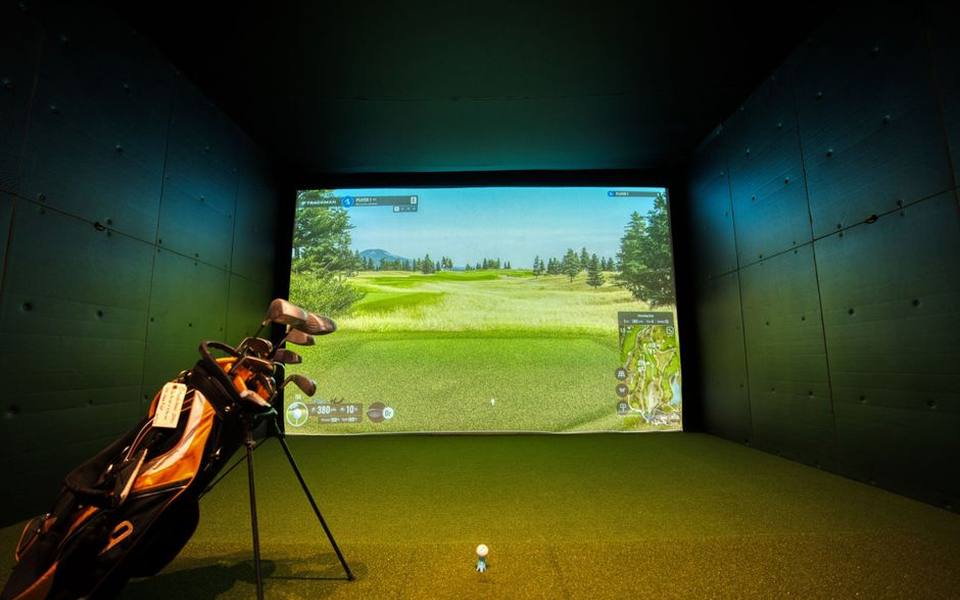
Work events require activities that break the ice without intimidating people who have never swung a club. Venues equipped with modern virtual golf bays often include digital party modes, carnival targets, and simplified short-game challenges that level the playing field between seasoned golfers and total beginners. By organizing team-based scramble formats where coworkers take turns putting toward common targets, you remove individual performance anxiety and foster genuine group collaboration.
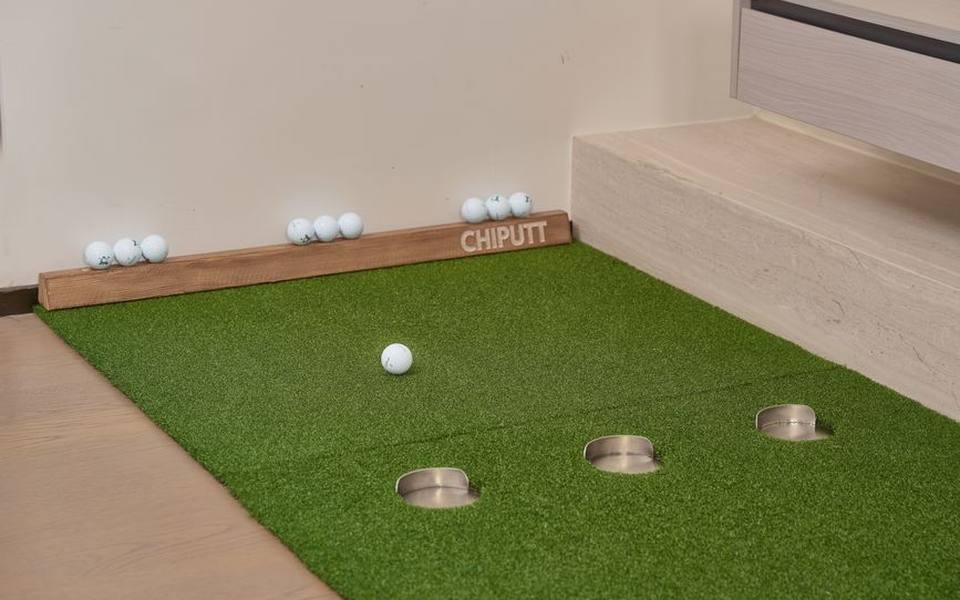
When planning holiday office gatherings, keep rounds short and fast. A tournament format where four-person teams play three-hole rotations works far better than an eighteen-hole marathon that leaves half the room waiting around. You can assign lighthearted handicaps or novelty rules to each hole, such as putting one-handed, putting with the opposite hand, or using a junior club. These small equalizer mechanics keep the atmosphere relaxed, light, and focused on shared laughter rather than strictly competitive scores.
Prize structures should reward participation alongside skill. Having categories like the most creative trick shot, the best team uniform, or the slowest rolling putter ensures that everyone has something to aim for throughout the evening. If your venue has shared screens, ask if you can display live leaderboards. Visual scoring updates generate friendly rivalry across different project teams while giving event organizers an easy anchor point to make announcements and wrap up the festivities on schedule.
Creative Themes and Layouts for Pop-Up Putting Courses
Building a custom mini golf layout allows you to transform conference halls, school gymnasiums, or home basements into memorable party attractions. A successful pop-up course balances visual character with functional ball roll, ensuring that shots follow predictable paths rather than bouncing wildly off rough surfaces. Start by defining the physical footprint of each hole using interlocking foam tiles, temporary wooden borders, or rollable artificial turf runners that lay flat without dangerous tripping edges.
Thematic consistency makes even modest setups feel intentional and immersive. You can design holes around corporate milestones, classic retro arcade aesthetics, or seasonal holiday themes using cardboard cutouts and LED string lighting. For residential basements or living rooms, existing furniture can serve as structural tunnels and naturaldoglegs, provided you cushion baseboards with foam pipe insulation or rolled towels. Clear directional tape on the floor helps players navigate from the tee box to the cup naturally.
Pacing across your custom course requires deliberate hole variety. Alternate between short, precision-focused straight putts and longer, multi-stage holes that reward deliberate banking off borders. If space allows, design six to nine distinct stations rather than trying to squeeze a full eighteen-hole circuit into a constrained room. A compact, well-engineered nine-hole layout creates a better overall guest experience by preventing slow bottlenecks and allowing players to run through the course multiple times.
Designing Challenging and Playful Obstacles on a Budget
Memorable putting obstacles do not require expensive commercial fiberglass props. With simple materials from a local hardware store, you can fabricate ramps, tunnels, and split-level ramps that challenge players of all ages. Thin plywood sheets supported by wooden 2x4 blocks make sturdy ramps, while flexible drainage pipes or heavy mailing tubes work wonderfully as covered tunnels. Secure all edges to the turf using clean-release gaffer tape so golf balls transition smoothly onto the incline without jumping.
Bank shots add high-reward strategic options that make holes fun to replay. By placing triangular wooden wedges or heavy books wrapped in felt along the side barriers, you create rebound angles that direct the ball toward hidden cups. Consider adding dynamic hazards, like a battery-powered rotating disc or a swinging pendulum made from lightweight craft foam, which forces players to time their putts carefully. These moving elements create dramatic moments that draw big cheers from onlookers.
Cup placement determines how frustrating or satisfying a custom hole feels. Avoid placing the cup at the absolute top of a steep incline where a missed putt rolls all the way back to the player's feet. Instead, create a flat plateau around the hole cup using an extra layer of scrap turf or felt matting. If you do not have recessed cups in the floor, use low-profile silicone target rings or circular plastic putting cups with gravity-fed return flaps that capture balls reliably.
Target Scoring Formats and Golf Dartboard Challenges
Combining the scoring rules of traditional darts with golf putting or chipping mechanics creates an engaging contest that fits tight spaces. A dart-style golf board features concentric scoring rings, split segments, and outer doubles that reward high accuracy. Players can chip hook-and-loop fabric balls onto an upright felt dartboard, or you can lay flat target rings directly across a putting carpet to play classic games like 501 or Cricket with standard golf gear.
In a flat putting darts format, players alternate rolling three balls each toward designated scoring zones taped onto the turf. Hitting the inner bullseye circle earns fifty points, while outer wedge rings award five, ten, or twenty points depending on precision. To make things competitive, establish a rule that balls rolling completely past the outer ring subtract points from the team's total. This forces participants to manage their speed carefully rather than just whacking balls as hard as possible.
These target games work exceptionally well for large parties because rounds finish in minutes. Spectators can track scores quickly on a simple whiteboard, making it easy to run single-elimination brackets during a cocktail hour or birthday party. Because players take shots from a static tee line, you only need an area about eight feet wide and fifteen feet long, leaving plenty of surrounding floor room for food tables and socializing.
Running Fair Closest to Pin Contests for Mixed Groups
The closest to the pin challenge is a golf event staple because it delivers instant, visual clarity without complicated scorecards. Whether set up on a high-tech simulator or a portable putting green, the objective is simple: stop your ball nearer to the target mark than anyone else. In indoor facilities utilizing ball-tracking technology, the system calculates exact distances down to inches automatically, which speeds up group play and avoids friendly disputes over measurements.
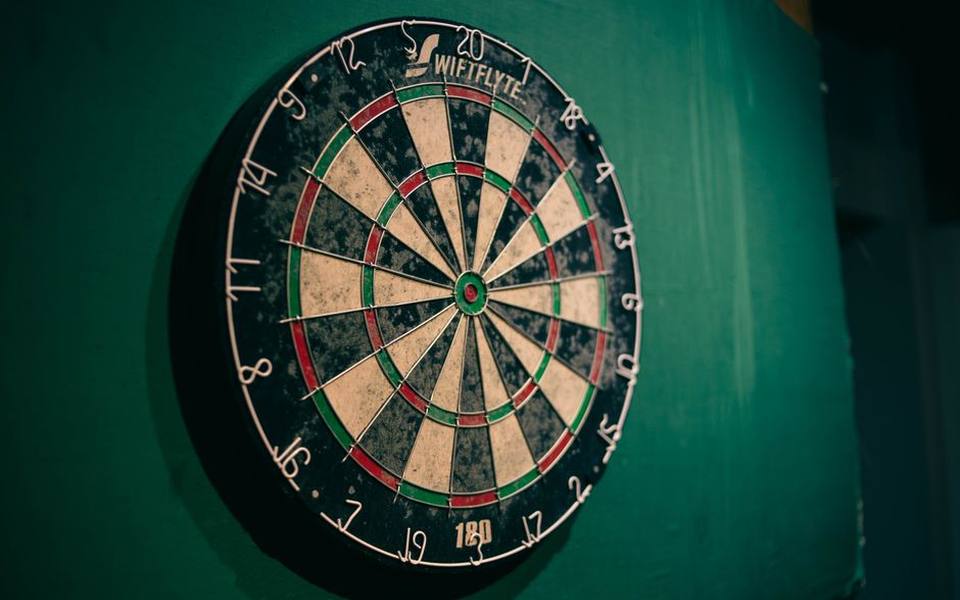
When organizing a manual contest on synthetic turf, keep a standard retractable measuring tape and a pack of colored marker flags nearby. After each player takes their shot, measure from the center of the cup to the front edge of their ball, recording the exact distance next to their name on a clipboard. If a player makes the cup directly, that shot stands as an ace; subsequent aces can trigger an exciting sudden-death roll-off at the conclusion of the event.
To keep casual guests from feeling outmatched by experienced golfers, introduce staggered tee positions. You can designate an advanced marker twelve feet away, an intermediate line at eight feet, and a beginner or junior line at five feet. Alternatively, allow each participant three consecutive attempts, recording only their single best shot. Giving players multiple chances lets them adjust their touch after the first roll, leading to closer competition across the entire leaderboard.
Budget Yard Games That Pair Naturally with Golf Events
Outdoor golf parties benefit greatly from secondary lawn games that keep people active between putting rounds. Classic yard games like cornhole, wooden ring toss, and ladder toss rely on the same fundamental hand-eye coordination as golf, making them natural companions for an open-air gathering. These games set up in seconds on grass or patio pavers and require virtually zero ongoing maintenance throughout a busy afternoon.
You can also repurpose everyday backyard materials into golf-specific target games without spending heavily. Setting up plastic buckets, nested laundry hampers, or small pop-up chipping nets at varying distances creates an instant short-game challenge on the lawn. Using dense foam or plastic airflow practice balls protects house siding, patio glass, and neighboring yards from accidental damage, allowing children and adult guests to swing freely with pitching wedges.
Tying all your yard activities into a unified team decathlon format keeps your guests circulating across the lawn. Divide the party into small squads that earn points at the putting green, the chipping buckets, and the cornhole boards. Rotating teams every fifteen minutes prevents bottlenecks at popular stations, keeps the collective energy high, and guarantees that every guest spends time socializing with different people throughout the day.
Maximizing Dedicated Practice Greens for Casual Group Drills
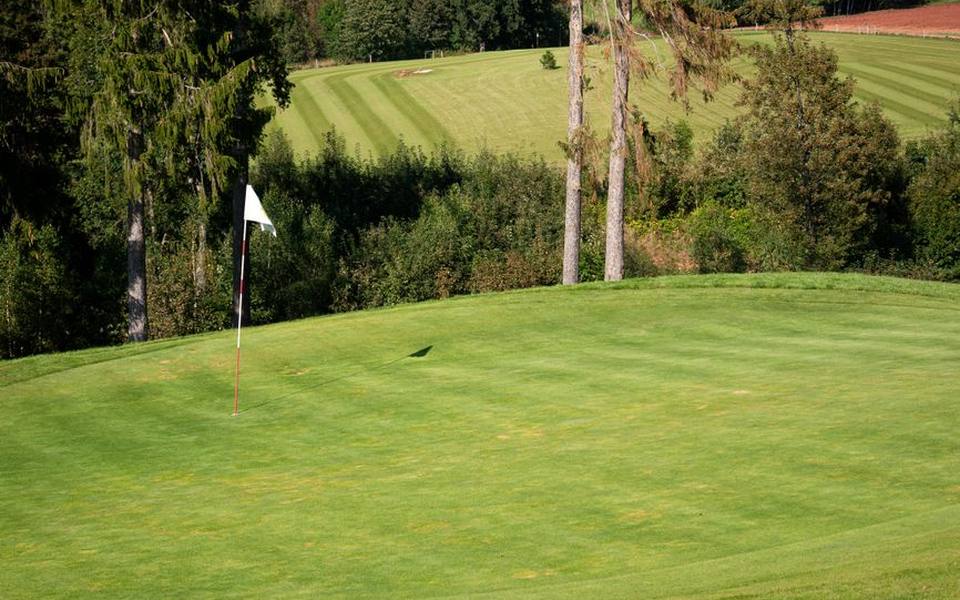
Many public courses and public driving ranges maintain large, manicured putting greens that are open to visitors without greens fees. While these areas are designed for serious practice, they can accommodate small, polite social groups if you schedule your visit during non-peak afternoon hours and respect facility etiquette. A dedicated green offers genuine roll characteristics and natural undulations that synthetic party mats simply cannot replicate.
When bringing a group to a shared practice area, always check with the pro shop staff beforehand. Many operators are happy to welcome small group clinics or friendly challenges as long as participants wear flat athletic shoes, refrain from running, and yield space to golfers warming up for tee times. Spreading your group along the outer edges of the green rather than clustering around the central practice cups ensures you leave room for regular patrons.
Structured distance-control games work best on full-size practice greens. Place golf tees in the turf at ten, twenty, and thirty feet from a fringe line, challenging players to lag their putts inside a designated three-foot zone past each marker. This format teaches real speed control, prevents players from aggressively slamming balls across the green, and provides plenty of dramatic near-misses that make for great social entertainment.
Skill-Building Putting Games That Keep Parties Entertaining
Competitive party games do not have to be mindless novelties; the best formats quietly sharpen real putting fundamentals. One classic game is '21', where two players or teams putt toward the same hole from twelve feet out. A ball stopping within putter-head length scores one point, stopping inside three inches scores three points, and sinking the putt earns five points. The first team to hit exactly twenty-one points wins, but going over resets their score to eleven.
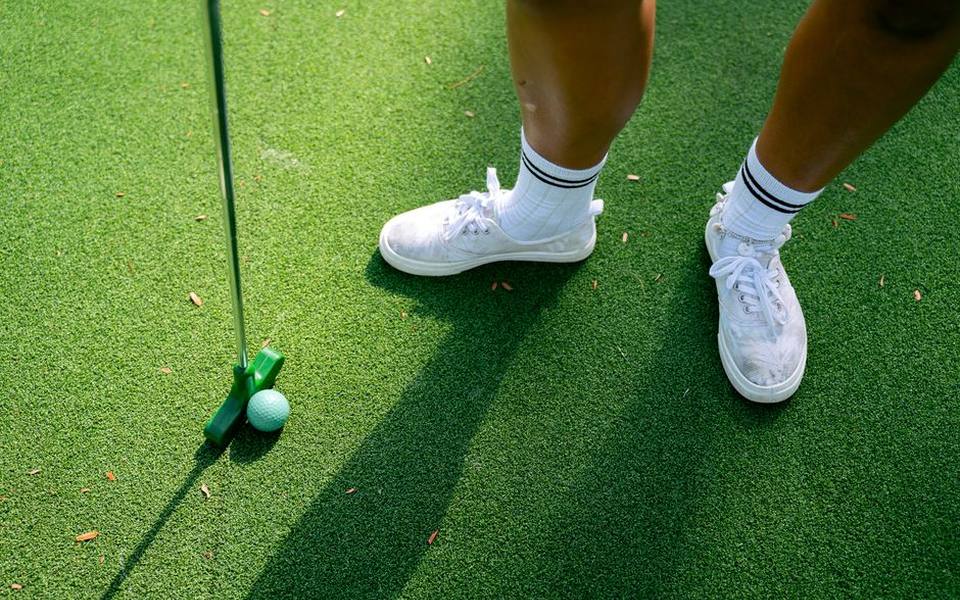
Another engaging option is the ladder drill, which works exceptionally well as a knockout party game. Lay alignment sticks or strings across the green at three-foot intervals to create four progressive tiers. Players must roll their first ball into the first tier, their second into the second, and so on. If a ball rolls short or overshoots its target zone, that player is eliminated from the round. The tension builds quickly as the zones get further away and the margins for error shrink.
Horse, adapted from basketball, is equally popular among players who like trick shots and strategic play. The first player calls a specific shot—such as banking off a perimeter block or stopping short of an obstacle—and makes the putt. Every subsequent player must duplicate the exact shot; missing awards a letter until someone spells out the full word and drops out. These interactive routines keep groups laughing while ingraining the pressure-putting focus needed on actual golf courses.
Managing Gear, Player Flow, and Event Safety
Smooth event execution relies on proactive equipment management and clear player safety zones. Golf clubs, even lightweight putters, can cause painful injuries if swung carelessly in crowded spaces. Establish a strict boundary rule: only the active putter may stand inside the designated hitting zone, while all other group members remain behind safety lines taped onto the floor or behind physical stanchions.
Equipment needs are straightforward but easy to miscalculate. Keep an assortment of standard thirty-four-inch putters alongside shorter thirty-inch junior clubs to comfortably accommodate guests of different heights. If you are playing on hardwood, tile, or residential carpet, choose low-compression practice balls or high-density foam options. They roll with realistic momentum on flat surfaces but lack the mass to crack drywall, chip baseboards, or bruise shins on errant ricochets.
Finally, manage player rotation with clear visual cues. Using simple scorecards with pre-printed tee times or assigning round numbers prevents groups from stacking up on your most intricate holes. If you notice a particular hole causing persistent delays, widen the cup diameter or adjust the obstacle to keep the line moving. With good spacing, durable loaner gear, and straightforward rules, your golf event will run smoothly from the first putt to the final award.
Published 2026-09-21 · reviewed with each rebuild, last September 2026.
Find driving ranges near you
The directory lists 3,693 driving ranges by state and city — pick your state or use the “Near me” button in the header.
More guides
-
 Buying
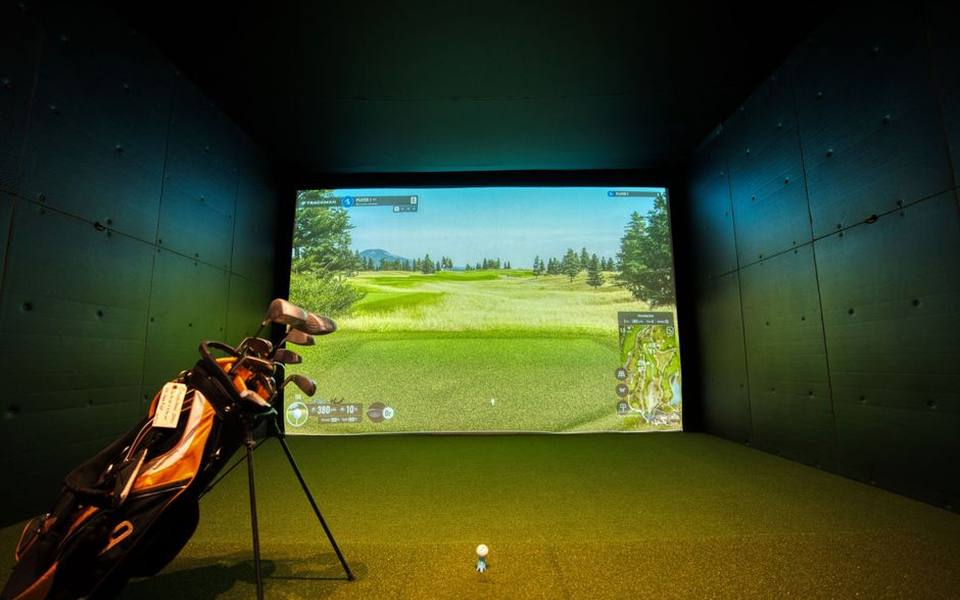
Realistic Costs and Equipment Needed for a Home Golf Simulator
-
 Service
Golf Club Maintenance: Regripping and Reshafting Guide
-
 Money
MoneyGolf Lessons Cost and Beginner Guide: What to Expect and How to Budget
-
 Buying
Golf Club Fitting Cost and Selection Guide
-
 Buying
A Practical Guide to Buying, Selling, and Trading In Used Golf Clubs
-
 Money
MoneyDriving Range Costs, Practice Routines, and Range Etiquette
-
 Service
Fixing Topped Shots and Improving Ball Striking on the Range
-
 Buying
Best Golf Launch Monitors Buying Guide: Space, Tech, and Budget
-
 Buying
The Complete Guide to Buying Used Golf Clubs and Pre-Owned Equipment
-
 Buying
How to Choose the Best Local Golf Shop and Pro Shop Services
-
 Owning
Miniature Golf and Putt-Putt Guide: Rules, Courses, and Family Fun
-
 Service
Complete Guide to Custom Golf Fitting and Shaft Selection
-
 Buying
Complete Guide to Buying and Maintaining Golf Shoes and Cleats
-
 Owning
Designing and Installing Indoor and Backyard Putting Greens
-
 Service
Golf Swing Analytics, Speed Training, and Shot Tracking Systems
-
 Buying
Golf Practice Nets, Driving Mats, and Backyard Hitting Setups
-
 Buying
How to Buy Used Golf Clubs and Get the Best Demo Day Deals
-
 Owning
Custom Golf Gear Personalization: Stampers, Bags, and Embroidery
-
 Buying
Selecting and Setting Up Home Golf Simulators and Launch Monitors
-
 Service
Choosing Golf Academies, Lessons, and Coaching Programs
-
 Buying
Custom Golf Club Fitting: Shafts, Clubheads, and Specifications
-
 Service
Entertainment Driving Ranges: Planning Group Outings, Corporate Events, and Bachelor Parties
-
 Service
Mini Golf, Footgolf, and Indoor Golf: Complete Venue Guide and Directory
-
 Owning
Tournaments, Scoring Tech, and Gear Upkeep: The Modern Golfer's Guide
-
 Buying
Golf Equipment and Club Fitting Guide: Starter Sets, Drivers, and Custom Builds
-
 Buying
Finding the Right Golf Pro Shop and Equipment Retailer
-
 Buying
Indoor Golf Practice and Launch Monitors: How to Build Your Studio
-
 Buying
Golf Laser Rangefinders Buyer's Guide: Features, Accuracy, and Value
-
 Owning
Golf Club Groove Maintenance: Tools, Techniques, and Equipment Care
-
 Buying
Commercial Golf Green Mowers: Maintenance, Selection, and Buying Guide
-
 Owning
Best Mobile Golf Simulators and Games for Practice and Play
-
 Owning
Fixing Heavy Contact, Managing Distance, and Choosing Cold-Weather Gear
-
 Buying
Club Car Golf Carts: The Practical Guide to Buying, Inspecting, and Customizing
-
 Owning
Complete Guide to Putt-Putt Games: History, Titles, Platforms, and Walkthroughs
-
 Service
Top Sports Bars and Lounges: How to Pick the Best Game-Day Spots in NYC and Florida
-
 Safety
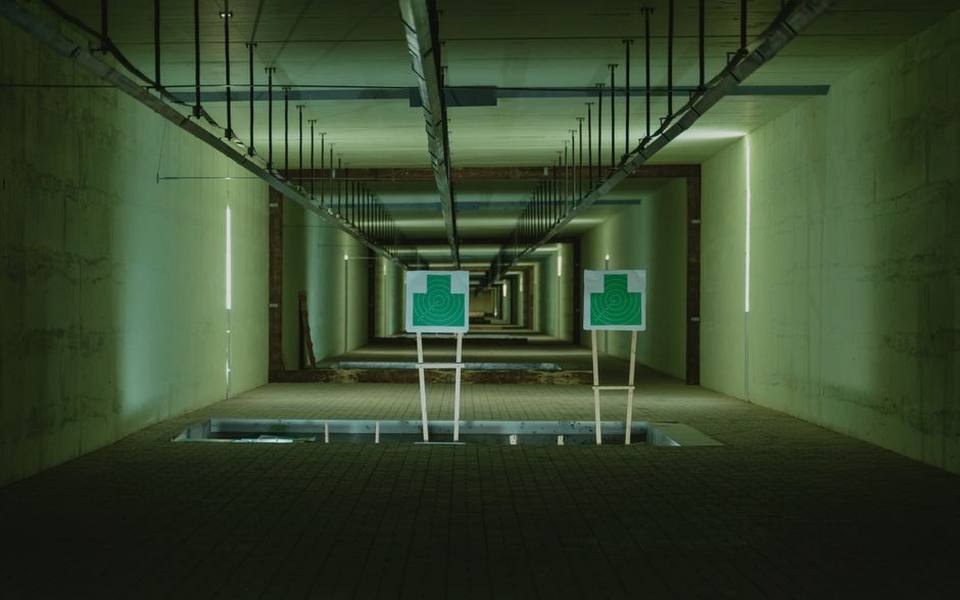
24-Hour Gun and Shooting Ranges: Availability, Rules, and Finding Round-the-Clock Facilities
-
 Owning
Golf Green Mobile Estates: Guide to Golf Community Living and Amenities