What Defines a Great Game-Day Venue Today
Finding the right game-day headquarters comes down to matching your group's priorities with a venue built for extended viewing. A premier sports bar or entertainment lounge balances three core elements: unobstructed sightlines from every seat, dedicated game audio that is not drowned out by background music, and a service flow designed to handle peak-rush ordering without leaving your table dry during critical plays. When these factors align, watching four quarters or nine innings feels effortless rather than exhausting.
The modern game-day landscape has also evolved well past cramped corner taverns with a single tube television hanging above the draft taps. Today, fans often look for hybrid spaces that offer high-definition video walls, comfortable lounge seating, and activities to break up halftime lulls. Whether you are hunting for an intimate neighborhood taproom or an expansive entertainment venue with interactive games, understanding how a space handles high-capacity crowds will save you from standing shoulder to shoulder in an unventilated back hallway.
Location plays a decisive role in what you can expect from square footage and layout. Metropolitan destinations like New York demand smart vertical design and tight acoustic management, whereas coastal regions across the Sunbelt favor indoor-outdoor flow, sprawling patio screens, and open-air hospitality. Identifying how regional architecture shapes the viewing experience is the first step toward locking in your ideal table.
Navigating New York City Sports Bars and Lounges
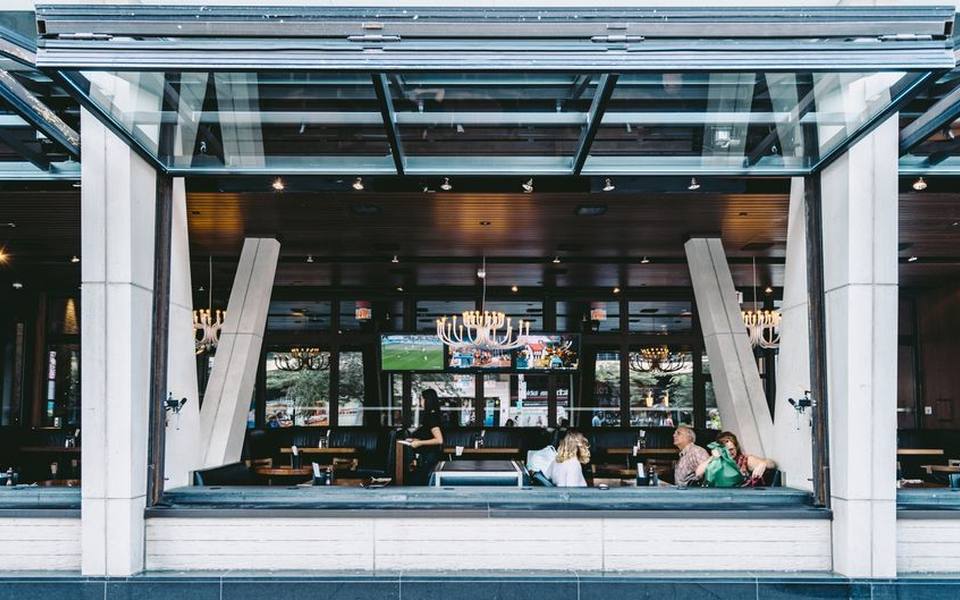
In New York City, space is at a premium, which makes table geometry and layout efficiency vital when picking a spot. Many classic Manhattan and Brooklyn establishments rely on multi-level designs, narrow floorplans, and clustered television setups angled toward perimeter booths. Because square footage is tight, arriving without an understanding of a venue's layout often leaves you wedged near the front entry or stuck behind a structural pillar with a compromised view of the main broadcast.
The city’s sheer density also means sports venues frequently cater to specific regional fan bases, creating vibrant alumni pockets where out-of-market teams get prime audio priority. While one neighborhood spot might be the dedicated home for Midwestern football fans, a venue three blocks away might be wired exclusively for European soccer or West Coast basketball. Checking which team claims the house before kickoff ensures you are surrounded by fellow supporters rather than rival fans.
For those wanting more room to move around, entertainment concepts with golf simulator bays and lounge seating have become increasingly popular across the five boroughs. Those visiting or living in the Empire State can explore driving ranges in New York alongside high-tech simulator lounges that allow you to swing a club between drives while monitoring game broadcasts on personal wall-mounted screens.
The Florida Game-Day Experience: Patios, Waterfronts, and Open Air
Watching a game in Florida offers a completely different physical atmosphere, defined largely by indoor-outdoor hybrid layouts, broad patio decks, and climate-controlled covered pavilions. The state’s year-round warmth allows venues to mount weather-resistant digital displays in open-air courtyards, letting fans catch the action under shaded palapas or near breezy waterfront docks. This architectural freedom means larger crowds can spread out comfortably without feeling cramped into a single viewing room.
However, the subtropical climate introduces specific factors to consider before choosing an outdoor table. Direct afternoon sun can easily wash out non-commercial television panels, turning what should be a sharp fourth-quarter drive into a wall of reflective glare. Furthermore, sudden tropical rain showers can push entire patio crowds inside simultaneously, quickly overwhelming the interior bar staff and creating bottleneck conditions near main ordering points.
Venues that successfully navigate these regional quirks typically feature retractable awnings, industrial misting fans, high-nit outdoor commercial screens, and generous parking lots. For sports fans spending time in the Sunshine State, visiting driving ranges in Florida that integrate full-service sports bars and covered pavilions provides an easy way to combine outdoor recreation with relaxed broadcast viewing under modern shaded canopies.
The Rise of Interactive Sports Lounges and Simulator Bays
Game days are no longer restricted to sitting on a wooden barstool for four consecutive hours. Interactive sports lounges have surged in popularity, blending hospitality with active entertainment that keeps guests engaged through commercials, blowouts, and extended intermissions. These venues replace traditional booths with private or semi-private suites where groups can play virtual games while monitoring multiple live sporting events.
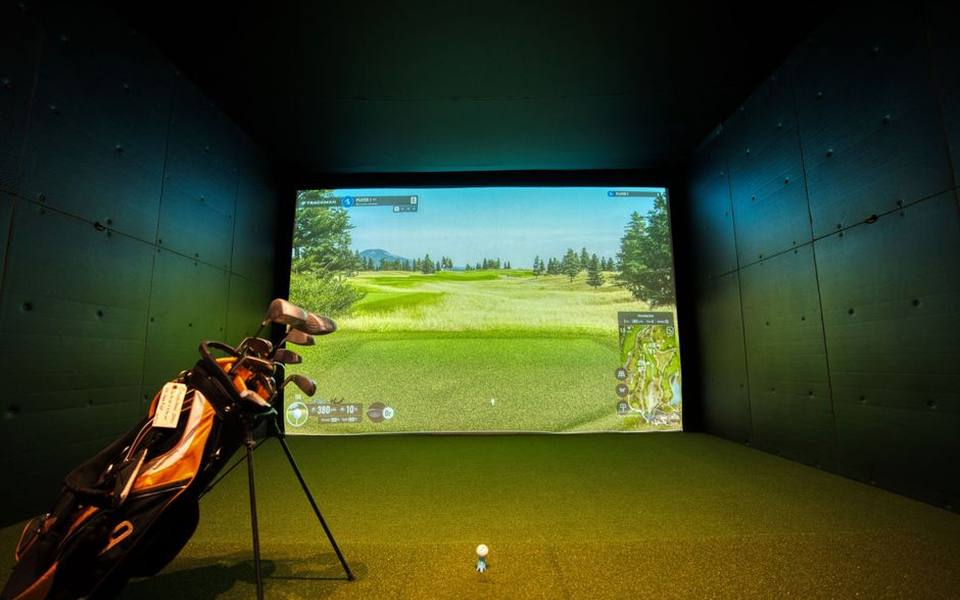
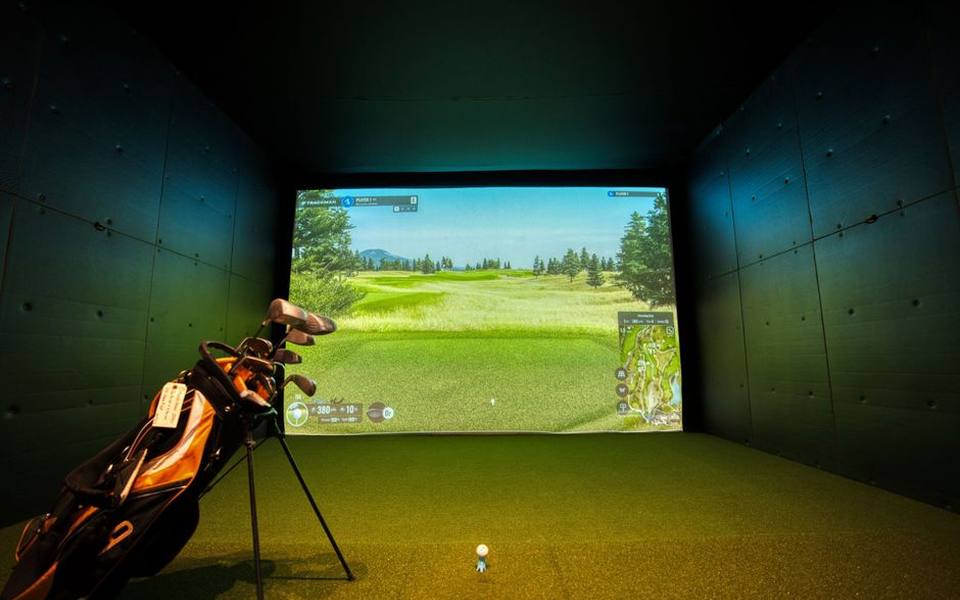
Modern indoor golf centers and multisport simulator rooms feature wall-to-wall tracking technology, comfortable leather sofas, and dedicated server attention. Because you control the space, your party does not have to compete with fifty other patrons to select which game appears on the main screen. You can pipe broadcast audio directly into your private bay while taking swings on digital championship courses or testing your arm in virtual quarterback challenges.
These hybrid facilities have become prime destinations for fantasy drafts, tournament watch parties, and mixed-interest gatherings where not everyone in the group wants to stare at a single television. Having high-end simulator suites ensures that guests who enjoy socializing, playing games, and grazing on shareable food platters remain entertained even if the live game turns into an uncompetitive runaway.
Evaluating Screen Density, Sightlines, and Audio Systems
Not all television walls are created equal, and screen count alone does not guarantee a pleasant viewing experience. A venue boasting fifty screens might still offer poor viewing if displays are mounted at extreme upward angles that strain your neck or placed so closely together that visual clutter becomes distracting. The best viewing environments prioritize eye-level positioning, wide-angle viewing panels, and clear digital channel mapping so staff can switch feeds smoothly.
Audio management is the true separator between a casual pub and an authentic game-day destination. The premier venues invest in multi-zone sound distribution, allowing them to route main commentary to one dining section while keeping secondary audio or low ambient sound in quiet lounge areas. If a bar relies solely on a single loud speaker system that echoes off hard tile walls, commentary can rapidly degenerate into an unintelligible wall of noise.
Look for venues that publish their game-day broadcast schedules on social media or their website in advance. Many top-tier sports bars outline exactly which games receive full house sound and which will be relegated to auxiliary displays with closed captioning. Knowing where your game stands on the sound priority list prevents disappointment when regional broadcast conflicts arise.
Food and Beverage Programs Beyond Standard Pub Grub
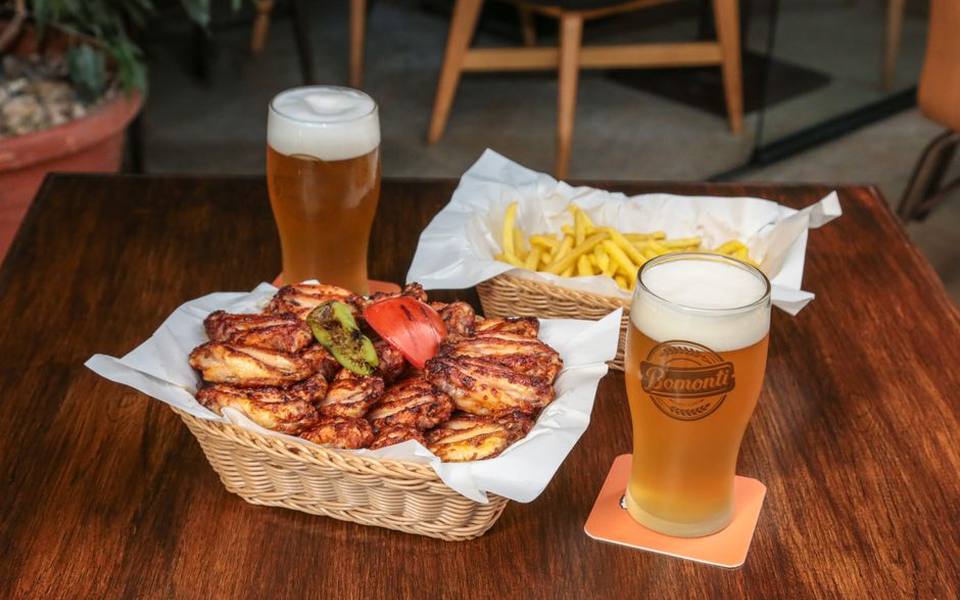
The standard basket of frozen mozzarella sticks and lukewarm draft lagers is increasingly giving way to thoughtfully crafted gastropub menus. Because major sporting events can easily stretch past three hours, a robust food program that sustains energy throughout the afternoon is critical. Venues that take their food seriously often feature house-smoked wings, smash burgers made from custom beef blends, wood-fired flatbreads, and dietary-inclusive vegetarian or gluten-sensitive options.
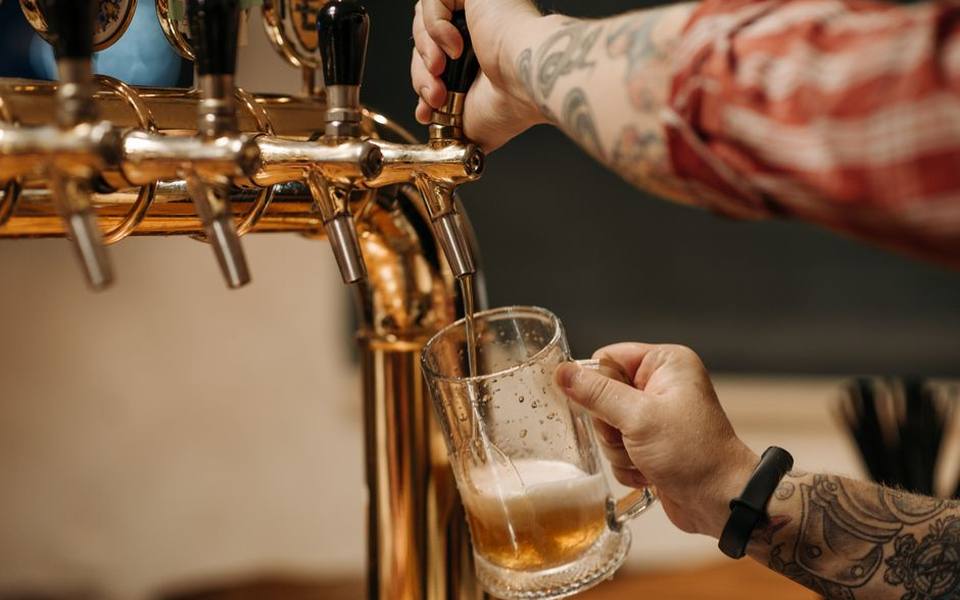
Beverage programs have similarly modernized to include extensive craft beer draft rotations, seasonal cocktail pitchers, and non-alcoholic craft alternatives. When evaluating a venue for a long game session, review whether their drink offerings rely strictly on mass-market lagers or if they support local breweries and balanced cocktails. Having self-pour draft walls or communal table taps is another modern convenience that eliminates the need to push through a crowded bar floor between downs.
Pacing is essential when ordering during high-volume sports hours. Kitchens in popular spots can experience ticket wait times of thirty to forty-five minutes during halftime or right before major games kick off. Ordering your main dishes early in the contest or selecting shareable platters delivered in waves keeps the table satisfied without leaving anyone hungry during key final moments.
Managing Reservations, Cover Charges, and Minimum Spends
For major sporting spectacles like conference championships, international soccer finals, or marquee fight nights, casual walk-in seating is rarely an option. High-demand venues in both dense urban corridors and bustling coastal strips typically shift to table reservation systems with predetermined arrival windows. Understanding how a venue handles booking policies prevents your group from being turned away at the door or losing your seats halfway through the afternoon.
In many metropolitan lounges, reserving a prime booth or private simulator suite involves a food and beverage minimum spend rather than an upfront rental fee. This structure requires your party to spend a set dollar amount across food and drink orders during your allotted block of time. In other venues, particularly high-capacity dance halls or sports arenas, you may encounter flat cover charges that simply grant general admission access to the floor without guaranteed seating.
Always confirm grace periods and cancellation terms before putting down a card deposit. In popular entertainment districts, tables are routinely released to waiting walk-in parties if the primary reservation holder is more than fifteen minutes late. Coordinating arrival times with all group members ensures you retain your reserved viewing spot without unnecessary friction with door staff.
Planning for Dedicated Alumni and Fan Club Venues
One of the greatest appeals of sports culture in diverse states like New York and Florida is the existence of dedicated team hubs. Transplants from all over the country relocate to these regions, bringing their team loyalties with them and partnering with local hospitality owners to establish official alumni outposts. Stepping into one of these venues on a Saturday or Sunday morning feels identical to being back on a college campus or inside a hometown stadium bar.
These specialty outposts offer unique perks, including authentic regional cuisine flown in for game days, team fight songs played over the house sound system after scoring plays, and halftime prize raffles organized by alumni chapters. However, they also fill up exceptionally fast. For high-profile matchups, regular fans often begin queuing outside more than an hour before kickoff just to secure barstool access.
If you are seeking neutral ground or simply want to track multiple matchups simultaneously for fantasy sports leagues, dedicated fan bars can occasionally prove frustrating. In those environments, secondary games are often muted or shifted to smaller perimeter screens to accommodate the primary crowd's focus. Evaluating whether you prefer intense single-team camaraderie or multi-game versatility should guide your choice of venue.
Evening Amenities: Patios, Simulators, and Overtime Hangouts
A successful game-day outing often continues long after the final whistle blows. When a contest ends in a thrilling overtime finish, groups rarely want to disperse immediately into crowded transit stations or gridlocked parking garages. Venues equipped with secondary evening entertainment—such as outdoor lounge fire pits, pool tables, or interactive game bays—provide a natural decompression space to discuss the game.
Facilities equipped with golf simulators and digital gaming bays allow fans to transition seamlessly from passive spectators to active participants. Rather than heading home immediately, friends can challenge each other to closest-to-the-pin contests, play virtual target games, or recap fantasy stats in a private lounge setting while evening traffic clears.
For open-air venues in southern climates or multi-tier urban sports complexes, outdoor amenities extend the night well into the evening hours. Modern entertainment destinations frequently incorporate lighted practice fields, putting greens, or outdoor viewing gardens that stay lively under the lights. Picking a venue with diverse evening options ensures your sports outing remains an all-day social event rather than just a quick meal.
Final Checklist for Matching Groups to the Right Spot
Selecting the ideal sports lounge ultimately depends on the specific composition and preferences of your group. A bachelor party looking for high-energy excitement, full house sound, and communal pitchers will be miserable in a quiet restaurant taproom, just as a multi-generational family gathering will struggle in a loud, standing-room-only beer hall. Taking a moment to assess the group's tolerance for noise, seating requirements, and mobility needs guarantees a smooth afternoon.
Transportation and accessibility should never be an afterthought. In cities like New York, proximity to subway hubs is paramount, whereas Florida destinations demand ample on-site parking or safe rideshare drop-off zones. Ensure that your chosen venue has accessible seating options, clean restroom facilities adequate for high-volume crowds, and clear policies on guest age limits, particularly for late-night games where venues transition to 21-and-over policies.
By balancing screen visibility, audio quality, menu variety, and post-game entertainment, you can elevate any regular regular-season broadcast into a memorable event. Whether you choose a classic downtown tavern, a sprawling waterfront patio bar, or a private sports simulator bay, thoughtful planning ensures everyone in your crew gets the best seat in the house.
Published 2026-09-21 · reviewed with each rebuild, last September 2026.
Find driving ranges near you
The directory lists 3,693 driving ranges by state and city — pick your state or use the “Near me” button in the header.
More guides
-
 Buying
Realistic Costs and Equipment Needed for a Home Golf Simulator
-
 Service
Golf Club Maintenance: Regripping and Reshafting Guide
-
 Money
MoneyGolf Lessons Cost and Beginner Guide: What to Expect and How to Budget
-
 Buying
Golf Club Fitting Cost and Selection Guide
-
 Buying
A Practical Guide to Buying, Selling, and Trading In Used Golf Clubs
-
 Money
MoneyDriving Range Costs, Practice Routines, and Range Etiquette
-
 Service
Fixing Topped Shots and Improving Ball Striking on the Range
-
 Buying
Best Golf Launch Monitors Buying Guide: Space, Tech, and Budget
-
 Buying
The Complete Guide to Buying Used Golf Clubs and Pre-Owned Equipment
-
 Buying
How to Choose the Best Local Golf Shop and Pro Shop Services
-
 Owning
Miniature Golf and Putt-Putt Guide: Rules, Courses, and Family Fun
-
 Service
Complete Guide to Custom Golf Fitting and Shaft Selection
-
 Buying
Complete Guide to Buying and Maintaining Golf Shoes and Cleats
-
 Owning
Designing and Installing Indoor and Backyard Putting Greens
-
 Service
Golf Swing Analytics, Speed Training, and Shot Tracking Systems
-
 Buying
Golf Practice Nets, Driving Mats, and Backyard Hitting Setups
-
 Buying
How to Buy Used Golf Clubs and Get the Best Demo Day Deals
-
 Owning
Custom Golf Gear Personalization: Stampers, Bags, and Embroidery
-
 Buying
Selecting and Setting Up Home Golf Simulators and Launch Monitors
-
 Service
Choosing Golf Academies, Lessons, and Coaching Programs
-
 Buying
Custom Golf Club Fitting: Shafts, Clubheads, and Specifications
-
 Service
Entertainment Driving Ranges: Planning Group Outings, Corporate Events, and Bachelor Parties
-
 Service
Mini Golf, Footgolf, and Indoor Golf: Complete Venue Guide and Directory
-
 Owning
Tournaments, Scoring Tech, and Gear Upkeep: The Modern Golfer's Guide
-
 Buying
Golf Equipment and Club Fitting Guide: Starter Sets, Drivers, and Custom Builds
-
 Buying
Finding the Right Golf Pro Shop and Equipment Retailer
-
 Owning
Designing and Hosting Mini Golf Events: Indoor Party Venues and Practice Games
-
 Buying
Indoor Golf Practice and Launch Monitors: How to Build Your Studio
-
 Buying
Golf Laser Rangefinders Buyer's Guide: Features, Accuracy, and Value
-
 Owning
Golf Club Groove Maintenance: Tools, Techniques, and Equipment Care
-
 Buying
Commercial Golf Green Mowers: Maintenance, Selection, and Buying Guide
-
 Owning
Best Mobile Golf Simulators and Games for Practice and Play
-
 Owning
Fixing Heavy Contact, Managing Distance, and Choosing Cold-Weather Gear
-
 Buying
Club Car Golf Carts: The Practical Guide to Buying, Inspecting, and Customizing
-
 Owning
Complete Guide to Putt-Putt Games: History, Titles, Platforms, and Walkthroughs
-
 Safety
24-Hour Gun and Shooting Ranges: Availability, Rules, and Finding Round-the-Clock Facilities
-
 Owning
Golf Green Mobile Estates: Guide to Golf Community Living and Amenities