Why Buying Pre-Owned Golf Equipment Makes Sense
Buying pre-owned golf gear allows players of all skill levels to access premium, tour-proven engineering at a fraction of original retail costs. Golf club technology typically evolves in subtle increments from year to year, meaning a driver or iron set released two or three seasons ago delivers performance remarkably close to current flagship releases. Instead of spending premium sums on brand-new releases, budget-conscious golfers can assemble a complete, high-performing bag by shopping the secondary market.
The depreciation curve for sporting gear is steep during the first twelve to twenty-four months. Equipment that leaves a showroom floor loses a noticeable percentage of its resale value immediately, even if it has only hit a handful of balls into a practice net. Savvy buyers take advantage of this reality by targeting gently used clubs traded in by enthusiasts who upgrade every season regardless of necessity.
Beyond individual sticks, finding complete golf sets second hand gives beginners and advancing high-handicappers an approachable entryway into the game. Rather than piecing together mismatched woods and irons with conflicting shaft flexes, secondary markets frequently offer well-maintained, cohesive setups that provide reliable turf interaction and predictable gapping straight out of the box.
Navigating Manufacturer Certified Pre-Owned Programs
One of the safest routes into the secondary market is through direct manufacturer channels, such as Callaway Golf Pre-Owned and similar factory-backed clearinghouses. Unlike open peer-to-peer marketplaces where club history is uncertain, certified previously owned programs systematically grade, clean, and verify every piece of inventory. Technicians inspect clubheads for structural integrity, confirm shaft authenticity, and ensure that lofts and lie angles match original factory blueprints.
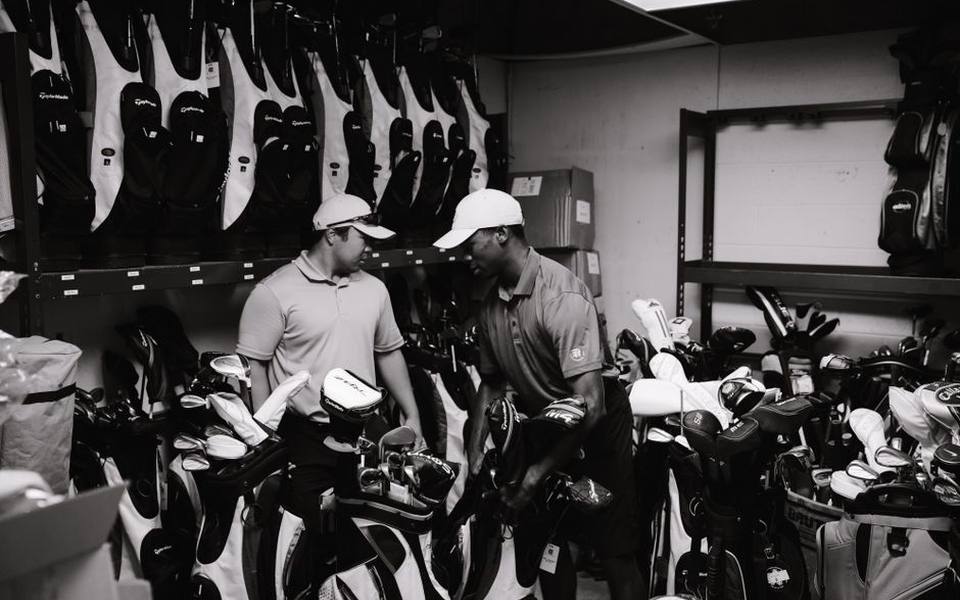
Condition grading systems on certified platforms usually range from like-new and outlet condition down to average or bargain tiers. Clubs listed in like-new condition have often served solely as indoor fitting demos or pro-shop display stock, showing little more than faint cosmetic brush marks on the sole. Lower tiers may exhibit paint chips along the perimeter or visible face scratching, but factory certification guarantees the clubface retains its original structural performance without hidden internal fractures.
Factory-certified purchases also typically carry distinct consumer protections that third-party individual sellers cannot match. Most manufacturer-backed programs offer limited warranties covering head detachment, internal rattle, or shaft breakage under normal play for up to twelve months. Furthermore, they frequently provide short trial periods or return windows, allowing you to confirm that a club fits your delivery before permanently locking in the investment.
Evaluating Secondary Market Drivers and Big Sticks
When browsing used golf equipment for sale, drivers demand the closest visual and tactile inspection due to the extreme impact forces they endure. Modern clubheads incorporate multi-material construction, pairing ultralight carbon composite crowns with thin titanium face inserts. Buyers shopping for popular models, including pre-owned Callaway drivers or competitive perimeter-weighted alternatives, must check the carbon-to-metal seams for micro-cracks, epoxy failure, or delamination caused by high-impact miss-hits.
Examine the clubface closely under directional light to identify excessive center wear or subtle caving. Over time, high swing speeds can fatigue thin metal faces, causing them to lose spring efficiency or develop flat spots that deaden ball velocity. Run your fingertips across the sweet spot to feel for inward depressions, and tap the sole lightly against a padded surface to listen for internal rattles, which usually signal loose adapter weights, detached hot melt, or broken internal ribbing.
Adjustable hosel sleeves require inspection before closing a deal. Inspect the internal teeth of the adapter screw mechanism to ensure the splines are sharp and unworn. Stripped adapter threads or seized adjustment screws can turn a versatile driver into a fixed-loft headache, making it impossible to dial in your launch angle or repair a loose shaft without paying for specialized shop work.
Selecting Used Fairway Woods and Hybrid Clubs
Fairway woods and utility hybrids absorb significant punishment from turf strikes, hard ground, and sand-covered lies. When scanning used golf woods for sale, look beyond basic cosmetic scuffs on the bottom plate and examine the leading edge. A rounded or dented leading edge alters how the club enters the turf, potentially causing fat strikes or unpredictable skidding that compromises launch trajectory.
Fairway wood crowns should be scrutinized for sky marks—scratches or paint chips located where the clubface meets the top paint line. While light paint blemishes are strictly aesthetic, severe skying indicates aggressive contact with high tees, which can sometimes deform the structural crown weld. If the top line shows heavy gouging, examine the underlying material carefully to ensure the crown remains completely rigid under firm thumb pressure.
Consider how wood and hybrid lofts fit into your existing set before committing to purchase. Because different manufacturers utilize varying standard lofts and shaft lengths for a 3-wood or 4-hybrid, review the exact loft stamped on the head rather than relying solely on the number on the sole. Ensuring consistent 3- to 4-degree gapping between your longest iron, hybrids, and fairway options keeps your distance intervals manageable from the fairway.
Assessing Used Iron Sets and Groove Integrity
A reliable set of irons forms the scoring backbone of your golf bag, making consistency across the entire group paramount. When shopping for used club sets for sale, verify that the set composition is sequential and uninterrupted, typically spanning from a 5-iron or 6-iron down through the pitching and gap wedges. Avoid Franken-sets assembled from differing production runs or mismatched shaft flexes, as they create jarring variations in launch, feel, and spin.
Groove condition dictates how effectively an iron can control spin and flight in wet grass or light rough. Check the scoring faces of the short irons and wedges first, as these clubs absorb the vast majority of practice strikes. If the center grooves appear smooth, dish-shaped, or rounded along their crisp edges, the clubs will produce lower spin rates and unpredictable rollout on approach shots, drastically reducing your control on firm greens.
Examine the sole bounce and iron hosels for signs of improper garage bending. Forged irons in particular are malleable and can be adjusted for lie and loft, but amateur modifications without proper bending gauges can pinch the hosel or introduce stress fractures into the metal. Make sure the hosels are clean, straight, and show no buckling or tool marks near the joint line.
Verifying Shaft Integrity, Flex, and Length
A golf clubhead can only perform as well as the shaft that delivers it into impact. When examining pre-owned clubs, identify the exact shaft model, weight class, and flex label printed beneath the grip or along the middle section. Many off-the-rack clubs bought second hand have been custom-ordered or altered by previous owners, meaning an iron labeled as regular might actually play shorter, longer, or stiffer than stock factory measurements.
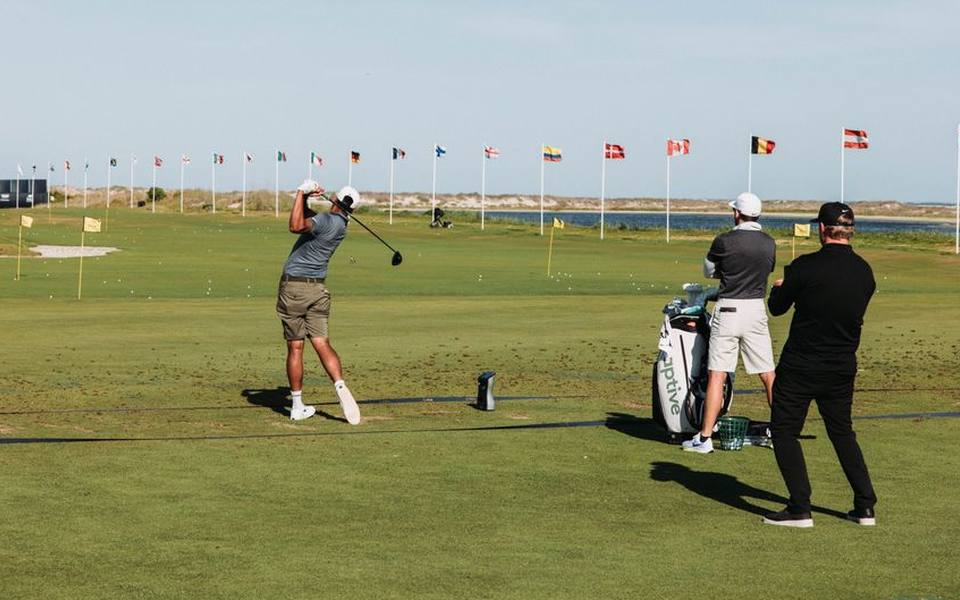
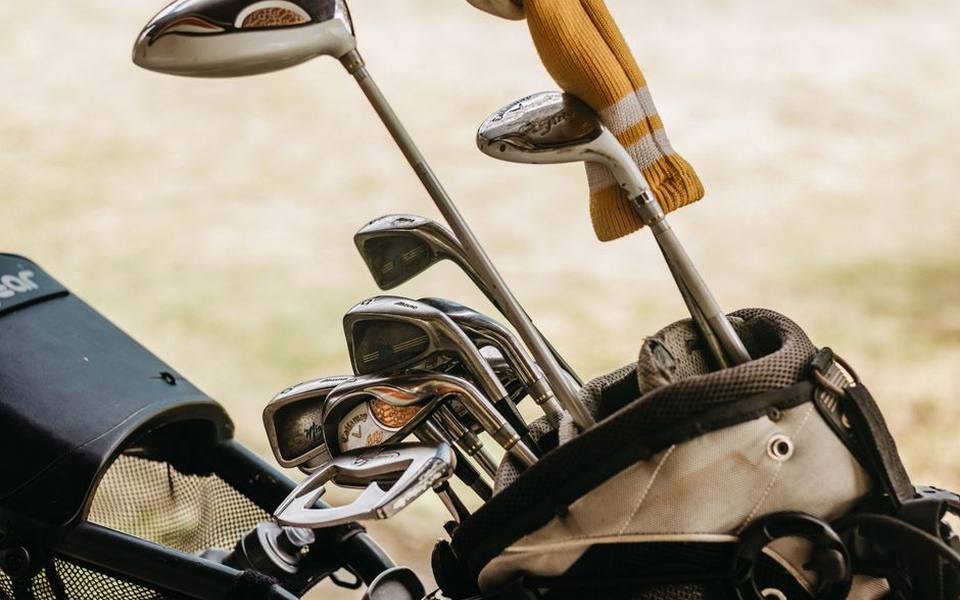
Steel shafts must be checked thoroughly for rust pits, flaking chrome, and subtle bends. Run your hand down each steel shaft from grip to hosel to detect small kinks, which frequently occur right below the grip where players lean on their clubs or along the step pattern from bag chatter. Internal rust can also develop if clubs were stored in damp basements, creating weak points where the metal can snap unexpectedly during a full swing.
Graphite shafts require a different diagnostic approach focused on surface wear and torsional stability. Look closely for bag-wear grooves caused by friction against nylon bag dividers during transit, especially on driver and hybrid shafts. Deep gouges that cut through the clear coat into the carbon fiber strands compromise structural integrity and make the shaft prone to catastrophic failure under normal loading.
Testing Second-Hand Clubs Before Final Purchase
Whenever feasible, hit balls with candidate clubs before finalizing an agreement. Taking prospective clubs to local public driving ranges gives you immediate visual feedback on ball flight, initial launch angle, and turf interaction. A club that looks immaculate in an online photograph might feel uncomfortably heavy or produce an exaggerated slice once swung in real conditions.
For a more analytical assessment, booking time at facilities with modern tracking technology allows you to verify performance metrics against your current gamers. Practicing at ranges equipped with ball-tracking technology or spending an hour in indoor golf simulator bays provides precise readings on swing speed, smash factor, launch spin, and carry distance, confirming whether a club delivers measurable improvements.
Testing also highlights subtle setup issues that do not show up during static inspection, such as inconsistent acoustic feedback or harsh vibration through the hands. If a driver produces an unusual, dull thud rather than a crisp metallic crack, or if an iron creates stinging feedback on centered strikes, structural bonding failures or head weighting imbalances may be present within the head construction.
Spotting Counterfeits and Wear in Pre-Owned Gear
The secondary golf market unfortunately sees a steady circulation of clone and counterfeit equipment, particularly targeting popular high-end driver and iron releases. Knockoff clubs often replicate exterior paint schemes convincingly, but fail to match authentic casting metals, weighting distributions, or finish durability. Inspect the font styling, serial number engraving depth, and branding alignment against high-resolution stock images from original manufacturer documentation.
Authentic clubs feature laser-etched or finely stamped serial numbers on the hosel or under the heel of woods. Counterfeit clubs frequently exhibit crude, stamped lettering with uneven spacing, or omit serial markings entirely. Additionally, non-genuine carbon crowns often use hydro-dipped plastic stickers rather than real woven composites, which can be spotted by examining the edge seams where materials meet.
Ferrules—the black plastic collars sitting between the clubhead hosel and the shaft—tell an important story about past repairs. If a ferrule is loose, turned, or shows uneven gap lines, the head may have experienced significant heat exposure, poor reshafting work, or head separation. A clubhead beginning to slip off its shaft is a serious safety hazard on the tee line and requires immediate re-epoxying by a clubmaker.
Refurbishing and Personalizing Used Golf Gear
Acquiring second-hand gear rarely means you are stuck with the previous owner's ergonomics. The quickest and most impactful upgrade for any pre-owned purchase is fresh rubber. Seeking out on-site golf club regripping services restores tacky traction and ensures your hands do not slip during aggressive swings, eliminating the need to squeeze the club with excessive muscle tension.
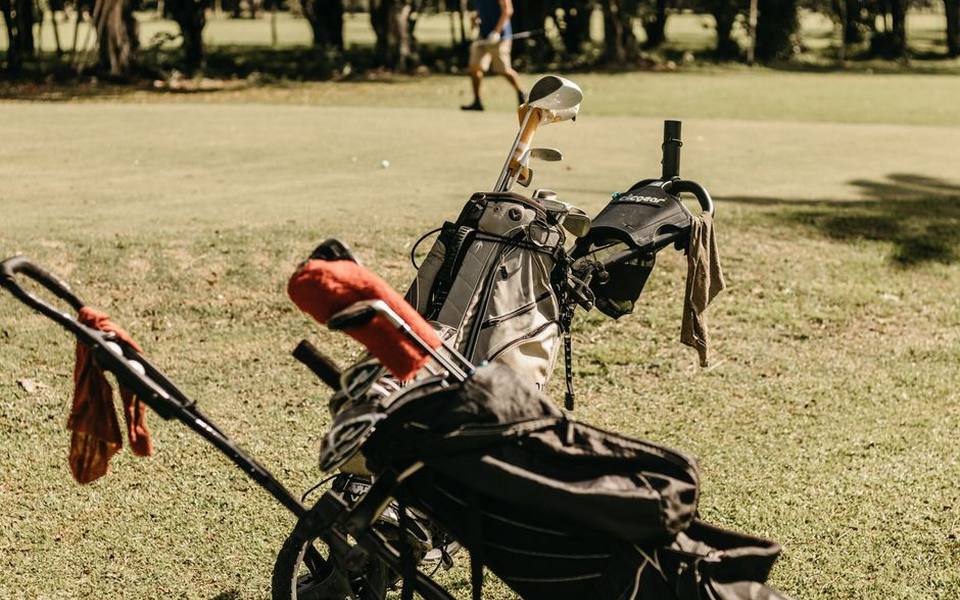
Grip sizing plays a critical role in clubface control and directional consistency. Pre-owned clubs often arrive with worn standard grips, oversized grips, or slick cord compounds that do not match your hand size or moisture preferences. Selecting fresh grips with the proper core diameter and wrap thickness allows your hands to release naturally through the impact zone, improving both comfort and consistency.
To get the most out of your pre-owned investment, consider scheduling professional club fitting services at a qualified facility. A technician can measure your swing path and adjust the lofts and lie angles of used irons by a degree or two, perfectly matching the clubs to your posture, wrist-to-floor measurement, and delivery angle at address.
Where to Search and How to Transact Safely
Finding reliable used golf sets for sale depends on choosing channels that offer transparency and reasonable buyer protection. Dedicated online secondary retailers, golf retail trade-in outlets, and local pro shop consignment racks are excellent sources because their inventories are screened by staff golfers who assess condition and authenticity before putting gear on the rack.
Peer-to-peer marketplaces and classifieds often offer the steepest discounts on used golf items for sale, but require significantly more vigilance from the buyer. When purchasing directly from an individual, always request clear, well-lit photos of the clubface, crown, shaft band, and hosel serial numbers. Avoid sellers who provide only generic stock marketing images or refuse to meet in public daytime locations where you can inspect items in person.
Clarify return policies and shipping terms before paying for second-hand golf equipment online. Legitimate golf retailers typically offer short return periods, giving you time to have the clubs inspected at a local shop. If transacting through classifieds, use secure payment platforms that offer dispute resolution and fraud protection rather than irreversible direct money transfers.
Published 2026-09-21 · reviewed with each rebuild, last September 2026.
Find driving ranges near you
The directory lists 3,693 driving ranges by state and city — pick your state or use the “Near me” button in the header.
More guides
-
 Buying
Realistic Costs and Equipment Needed for a Home Golf Simulator
-
 Service
Golf Club Maintenance: Regripping and Reshafting Guide
-
 Money
MoneyGolf Lessons Cost and Beginner Guide: What to Expect and How to Budget
-
 Buying
Golf Club Fitting Cost and Selection Guide
-
 Buying
A Practical Guide to Buying, Selling, and Trading In Used Golf Clubs
-
 Money
MoneyDriving Range Costs, Practice Routines, and Range Etiquette
-
 Service
Fixing Topped Shots and Improving Ball Striking on the Range
-
 Buying
Best Golf Launch Monitors Buying Guide: Space, Tech, and Budget
-
 Buying
How to Choose the Best Local Golf Shop and Pro Shop Services
-
 Owning
Miniature Golf and Putt-Putt Guide: Rules, Courses, and Family Fun
-
 Service
Complete Guide to Custom Golf Fitting and Shaft Selection
-
 Buying
Complete Guide to Buying and Maintaining Golf Shoes and Cleats
-
 Owning
Designing and Installing Indoor and Backyard Putting Greens
-
 Service
Golf Swing Analytics, Speed Training, and Shot Tracking Systems
-
 Buying
Golf Practice Nets, Driving Mats, and Backyard Hitting Setups
-
 Buying
How to Buy Used Golf Clubs and Get the Best Demo Day Deals
-
 Owning
Custom Golf Gear Personalization: Stampers, Bags, and Embroidery
-
 Buying
Selecting and Setting Up Home Golf Simulators and Launch Monitors
-
 Service
Choosing Golf Academies, Lessons, and Coaching Programs
-
 Buying
Custom Golf Club Fitting: Shafts, Clubheads, and Specifications
-
 Service
Entertainment Driving Ranges: Planning Group Outings, Corporate Events, and Bachelor Parties
-
 Service
Mini Golf, Footgolf, and Indoor Golf: Complete Venue Guide and Directory
-
 Owning
Tournaments, Scoring Tech, and Gear Upkeep: The Modern Golfer's Guide
-
 Buying
Golf Equipment and Club Fitting Guide: Starter Sets, Drivers, and Custom Builds
-
 Buying
Finding the Right Golf Pro Shop and Equipment Retailer
-
 Owning
Designing and Hosting Mini Golf Events: Indoor Party Venues and Practice Games
-
 Buying
Indoor Golf Practice and Launch Monitors: How to Build Your Studio
-
 Buying
Golf Laser Rangefinders Buyer's Guide: Features, Accuracy, and Value
-
 Owning
Golf Club Groove Maintenance: Tools, Techniques, and Equipment Care
-
 Buying
Commercial Golf Green Mowers: Maintenance, Selection, and Buying Guide
-
 Owning
Best Mobile Golf Simulators and Games for Practice and Play
-
 Owning
Fixing Heavy Contact, Managing Distance, and Choosing Cold-Weather Gear
-
 Buying
Club Car Golf Carts: The Practical Guide to Buying, Inspecting, and Customizing
-
 Owning
Complete Guide to Putt-Putt Games: History, Titles, Platforms, and Walkthroughs
-
 Service
Top Sports Bars and Lounges: How to Pick the Best Game-Day Spots in NYC and Florida
-
 Safety
24-Hour Gun and Shooting Ranges: Availability, Rules, and Finding Round-the-Clock Facilities
-
 Owning
Golf Green Mobile Estates: Guide to Golf Community Living and Amenities