Recognizing What Sets Dedicated Golf Retailers Apart
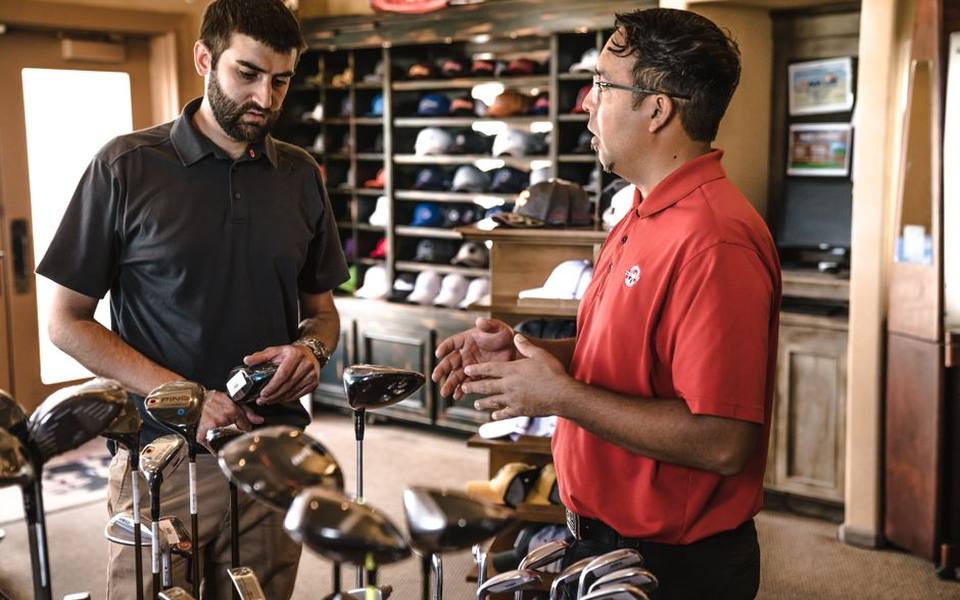
Finding the right neighborhood store begins with understanding how inventory and staff knowledge align with your specific game. While big-box sporting goods chains carry golf balls and introductory box sets, dedicated golf merchants specialize in deep component inventories, dynamic launch monitor bays, and staff technicians who play the game regularly. When you step into a specialized golf shop close to your home or office, the primary advantage is not just row upon row of hardware, but access to personnel who understand subtle differences in shaft flex profiles, swing weights, and turf interaction.
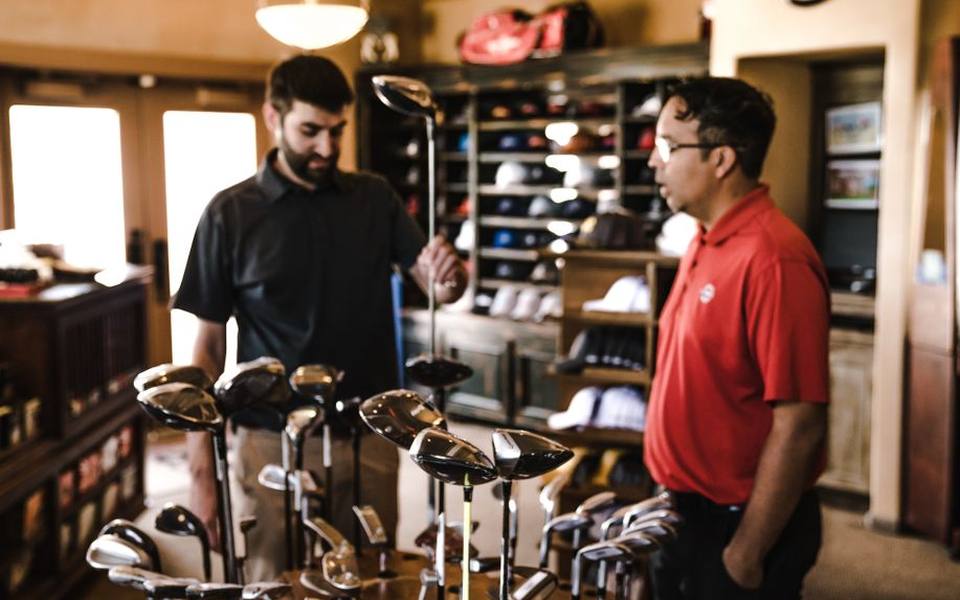
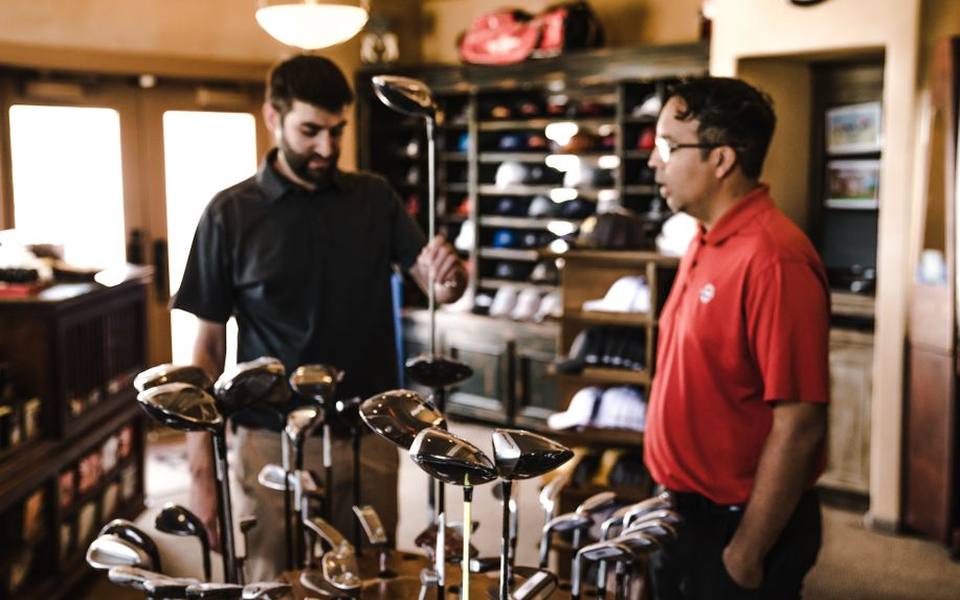
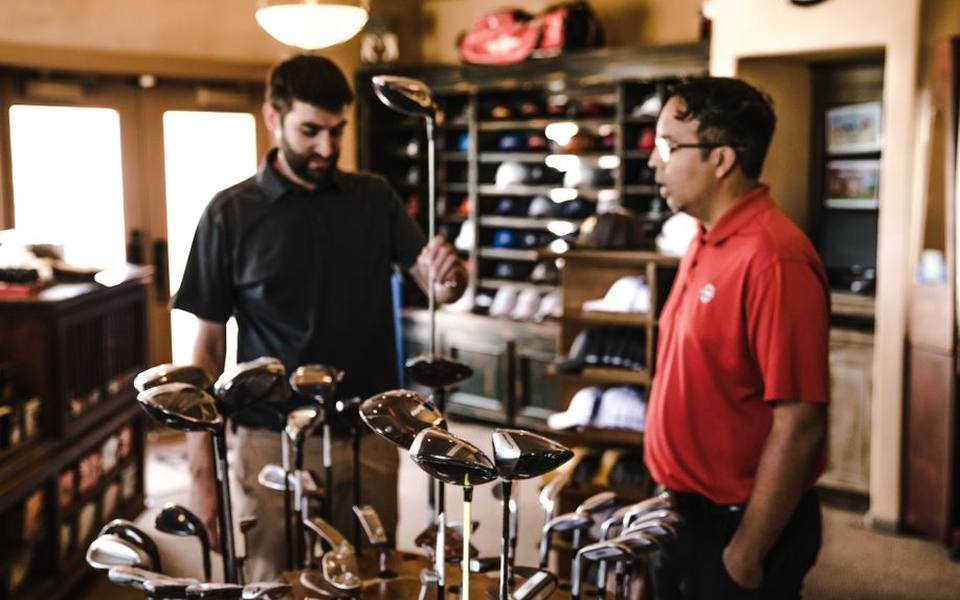
A quality shop carries comprehensive equipment options spanning multiple generations of heads, an array of wedge grinds, and varied putter neck configurations. Rather than merely handing you a club in shrink wrap, qualified staff will observe your setup, ask about your typical misses, and let you compare options across different manufacturers. These establishments typically feature hitting nets or enclosed test bays where you can feel the balance of the club before committing any funds.
Service quality also shows up in post-sale support. High-caliber independent retailers and golf specialty outlets offer transparent return policies, trial periods for demo clubs, and adjustments if your initial lie angle or length estimate proves incorrect out on the course. Taking time to locate a dependable local store establishes a long-term resource for custom adjustments, ball fittings, and seasonal equipment tune-ups as your mechanics evolve.
Course Pro Shops Versus Standalone Golf Superstores
Golfers often weigh the benefits between shopping at an on-course golf pro shop and visiting an expansive standalone golf pro store in a commercial district. Green-grass pro shops operate directly out of municipal, public, or private golf courses. Their footprint is generally smaller, focusing on premium apparel, round essentials, balls, gloves, and a curated selection of current-season drivers and putters tailored to their membership or regular public clientele.
The distinct advantage of a course-based pro shop is proximity to actual turf and natural ball flight. When purchasing a wedge or driver through a resident professional, you frequently have the opportunity to take demo clubs directly onto the driving range or short-game green. Seeing true trajectory against natural wind conditions provides immediate clarity that indoor screens cannot always replicate, making the club selection process far more realistic.
Conversely, off-course golf retail centers offer sheer volume. They house hundreds of set combinations, deep closeout racks, expansive apparel sections, and multiple indoor simulator cages. If you need to test seven different driver heads back-to-back or compare multiple low-bounce wedges, a large-format merchant has the breadth of inventory that modest course clubhouses simply do not have space to stock.
Evaluating Custom Club Fitting and Launch Monitor Services
Modern golf equipment is engineered to fit precise launch and spin windows, making custom club fitting one of the most critical services a full-service retailer can provide. Rather than buying off-the-rack specifications based solely on your height or total distance, a diagnostic fitting measures clubhead speed, ball speed, attack angle, dynamic loft, and face-to-path relationships. Investing an hour in a specialized fitting studio prevents the costly mistake of playing shafts that are either too stiff or too light for your transition.
When evaluating a shop's fitting capabilities, examine the technology they utilize. Top-tier operations rely on photometric cameras or radar-based launch tracking, paired with interchangeable head and shaft adapter systems. This flexibility allows fitters to test a single head model with multiple shaft weights, bend profiles, and grip sizes in minutes. Exploring reputable club fitting services ensures you leave with equipment dialed specifically to your delivery pattern.
Beware of shops that treat fitting simply as a quick metric check on an automated retail screen. A thorough fitting involves static body measurements, dynamic impact tape testing on the face and sole, and an open conversation regarding your typical ball-striking tendencies. The technician should clearly explain why a particular shaft bend point lowers excess spin or how a slight upright lie adjustment prevents thin, push-fade misses.
Club Repair Benches, Shaft Adjustments, and Regripping
A reliable golf repair shop is as valuable as a competent mechanic. Over a full season of heavy practice, standard grips lose their tacky feel, epoxy bonds can weaken in hot car trunks, and lie angles on forged irons can shift after thousands of impacts off firm range mats. Having access to a shop equipped with a dedicated workbench, hydraulic shaft pullers, bending machines, and swing weight scales keeps your tools performing consistently.
Regripping represents the most frequent maintenance procedure for active golfers. Most shops stock round, ribbed, corded, and soft polymer wraps in sizes ranging from undersize to jumbo. Many stores provide on-site regripping services with rapid turnaround, letting you drop off a set in the morning and pick it up ready for the weekend. Inspecting grip wear twice a season prevents unwanted hand slippage and excessive grip pressure.
More complex bench work includes reshafting, tip trimming, counter-balancing, and loft-and-lie bending. Forged irons typically bend quite smoothly to match posture changes, while cast heads require skilled hands and specialized clamping dies to prevent metal fatigue. Technicians should always measure swing weights before and after shortening or lengthening a club to maintain original head feel.
Navigating Second-Hand Gear and Certified Pre-Owned Racks
Purchasing pre-owned equipment is one of the smartest ways to upgrade your bag without paying peak retail prices. A reputable second hand golf shop typically operates an active trade-in counter where local players turn over last year's drivers, wedges, and iron sets. This constant churn allows budget-conscious golfers to acquire high-performance forged irons or adjustable drivers at steep discounts compared to new releases.
When browsing used inventory, careful visual inspection is required. Look closely at iron grooves for excessive wear in the sweet spot, which reduces spin control on approach shots. Check graphite shafts for wear spots caused by bag dividers rubbing against the composite material, as deep bag rash can compromise structural integrity. On adjustable woods, inspect the adapter screw and hosel threads to confirm they have not been stripped by over-tightening.
Value-oriented pre-owned outlets grade their gear on standardized scales, classifying items from mint condition to bargain status. Premium used shops test all trade-ins on loft and lie gauges to verify that a previous owner did not alter specifications drastically. Buying second-hand from an established shop with an inspection guarantee provides substantially more protection than purchasing directly from unvetted online sellers.
Shopping for Golf Gear Across Texas Hubs
The golf retail landscape across Texas varies significantly based on regional weather patterns, soil types, and local golf subcultures. In the humid coastal climate of the Houston area, golfers face heavy air and wet, bermudagrass turf that demands versatile wedge bounces and corrosion-resistant finishes. Retail stores throughout the metroplex emphasize high-volume custom fitting facilities, stocking wide selections of wide-sole wedges and moisture-wicking apparel designed for long, warm playing seasons.
Further west, visiting a golf shop in San Antonio reveals a market shaped by limestone-laced courses, elevation changes, and firm hill country terrain. Players in this region often look for irons that produce controlled spin to combat breezy afternoons on rocky bases. San Antonio golf stores generally maintain extensive inventories of utility irons and mid-trajectory shafts suited for wind play, catering to both active military communities and seasoned municipal regulars.
In West Texas, heading to a golf shop in Lubbock places you in a semi-arid, windswept high plains setting where windy rounds are a daily constant. Gear selection in Lubbock leans heavily toward low-spin driver heads, heavy-grammage hybrid shafts, and firm cord grips that manage sweat and blowing dust. Reviewing quality driving ranges in Texas helps you pinpoint practice facilities connected with regional pro shops where you can demo clubs in authentic winds.
Sourcing Equipment in Destination Markets: Nevada and Florida
Resort markets cater to a distinct blend of traveling players, local regulars, and snowbirds seeking high-end gear and fast-turnaround services. Walking into an expansive golf shop in Las Vegas often feels like entering an equipment showroom. Because the desert attracts tourists seeking corporate outings or buddies trips, shops in the Vegas valley stock substantial rental set fleets, premium travel bags, and specialized accessories alongside luxury club components.
Las Vegas retail technicians are also accustomed to solving emergency equipment issues for visitors whose clubs were damaged during flights or whose grips dried out in the desert heat. Whether you visit an off-strip superstore or an upscale pro shop at a championship daily-fee venue, inventory levels stay elevated year-round to match the uninterrupted 12-month desert playing schedule.
On the opposite coast, checking out a golf shop in Orlando, Florida immerses you in a global golf academy hub. Central Florida is packed with touring professionals, mini-tour hopefuls, and dedicated junior programs. As a result, Orlando retail outlets offer an extraordinary depth of aftermarket shafts, training aids, and high-spec launch monitor bays. Connecting with reputable driving ranges in Florida allows you to combine equipment shopping with premier outdoor practice environments.
Locating Equipment and Simulator Retail in Denser Metros
Dense metropolitan areas present unique challenges for golfers looking to test equipment before buying. For example, finding a golf shop in NYC rarely leads to sprawling strip-mall retail. Instead, urban stores in Manhattan, Queens, or Brooklyn rely on high-tech underground layouts, mezzanine fitting studios, and compact boutique footprints that maximize every square foot of floor space.
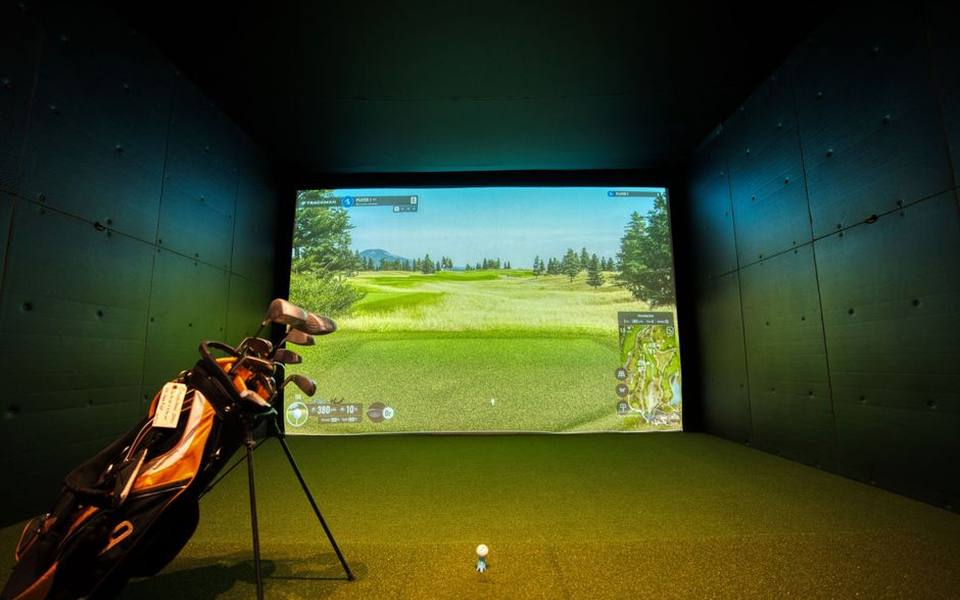
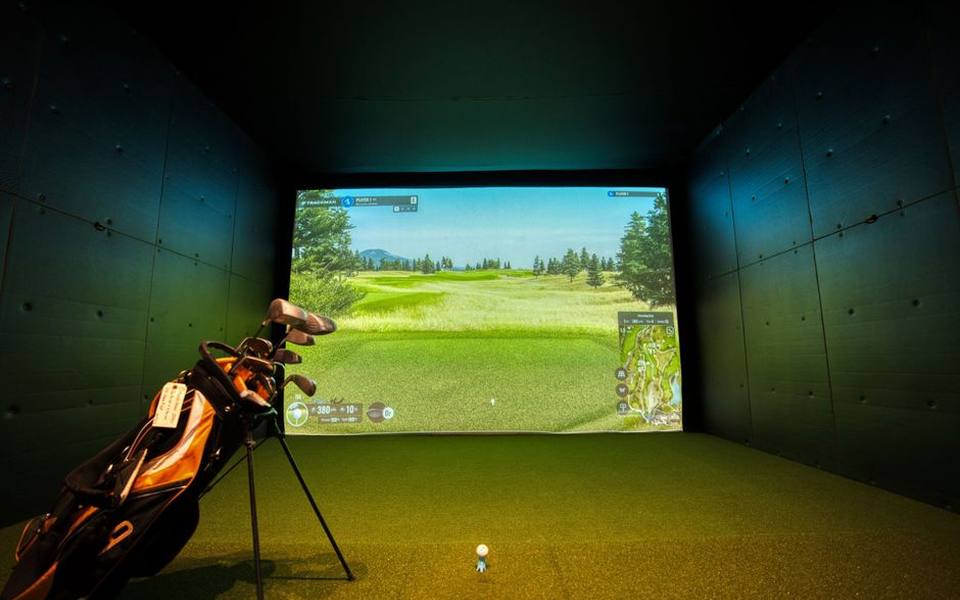
Because green-grass practice ranges are rare within inner city limits, urban golf retailers rely heavily on modern tech. You will find high-speed cameras, pressure plates, and full virtual simulation environments. Golfers can test clubs inside advanced indoor simulator bays, swinging freely while digital displays recreate real course conditions, launch metrics, and carry distances without requiring an hour-long commute to the suburbs.
Urban pro shops also tend to specialize in custom delivery options, courier bag shipping, and rapid repairs tailored to walking golfers who rely on commuter transit. Many city players drop off their woods for reshafting on their lunch break and pick them up the following afternoon, relying on urban technicians to handle the logistics of modern equipment upkeep.
Testing Equipment on Live Ranges Versus Indoor Simulators
Before purchasing a new driver or wedge set, you must decide how you prefer to evaluate performance: inside an indoor simulator bay or out on an outdoor hitting range. Indoor bays offer precise environmental control, isolating your swing mechanics from humidity shifts, crosswinds, and uneven turf stances. The photometric and radar units used indoors deliver immediate numerical data on smash factor, spin axis, and club path.
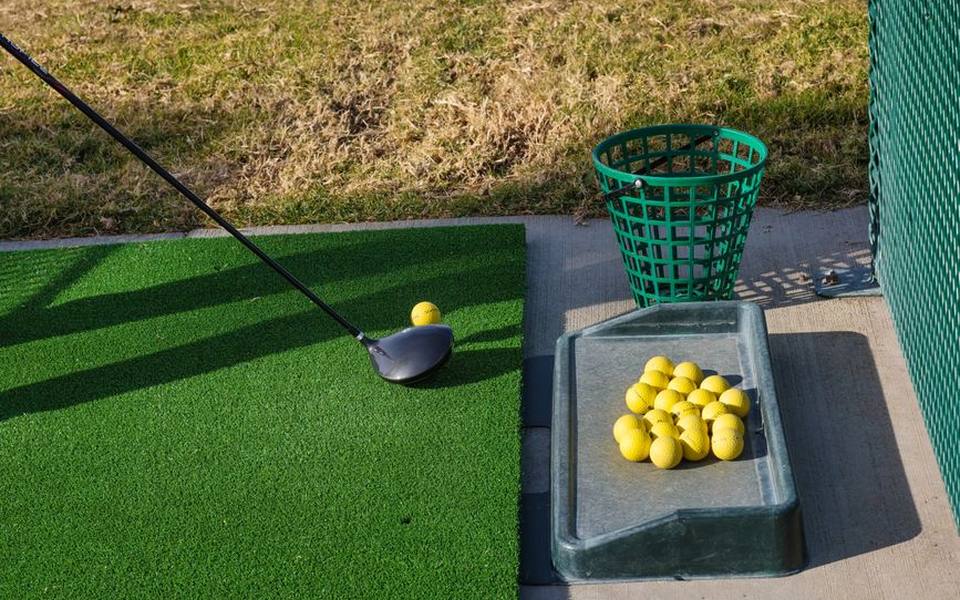
However, indoor screens can occasionally produce visual illusions regarding trajectory and distance perception. Some golfers swing more cautiously indoors due to subconscious claustrophobia near enclosure walls. Testing clubs at facilities that merge pro shops with outdoor hitting lines allows you to witness authentic ball flight from apex to landing roll, which is especially valuable when evaluating wedge spin and driver dispersion patterns.
Whenever feasible, the ideal testing routine combines both settings. Use indoor diagnostic monitors to narrow your shaft flex, head loft, and weight setup down to two top contenders. Then, take those final demo selections out to an open-air tee line to confirm how the turf contact feels beneath your hands and how the ball behaves under natural sky conditions.
Practical Questions to Ask Before Leaving Clubs for Service
Handing your favorite clubs over to a repair bench requires a clear understanding of process, pricing, and timing. Before leaving an iron set for adjustments, ask the clubmaker whether they utilize a digital bending machine and if they check specifications against manufacturer baseline charts. Forged irons can typically be moved up to two degrees comfortably, but cast stainless steel heads require careful assessment to prevent stress fractures.
Turnaround time is another critical detail to establish up front. Simple regripping can typically take anywhere from while-you-wait service to twenty-four hours, depending on shop backlog and the type of solvent used. If you request reshafting, ask how long the epoxy will need to cure before the club can safely hit balls. Most epoxy formulas require twelve to twenty-four hours of cure time under controlled temperatures to achieve maximum shear strength.
Finally, inquire about component sourcing and warranties on bench craftsmanship. A reputable repair counter uses original equipment manufacturer adapters when rebuilding adjustable drivers to preserve warranty coverage. Confirm that the shop stands behind its work, ensuring that if a ferrule separates or a grip alignment twists loose after your first range bucket, they will correct the issue promptly without additional labor charges.
Published 2026-09-21 · reviewed with each rebuild, last September 2026.
Find driving ranges near you
The directory lists 3,693 driving ranges by state and city — pick your state or use the “Near me” button in the header.
More guides
-
 Buying
Realistic Costs and Equipment Needed for a Home Golf Simulator
-
 Service
Golf Club Maintenance: Regripping and Reshafting Guide
-
 Money
MoneyGolf Lessons Cost and Beginner Guide: What to Expect and How to Budget
-
 Buying
Golf Club Fitting Cost and Selection Guide
-
 Buying
A Practical Guide to Buying, Selling, and Trading In Used Golf Clubs
-
 Money
MoneyDriving Range Costs, Practice Routines, and Range Etiquette
-
 Service
Fixing Topped Shots and Improving Ball Striking on the Range
-
 Buying
Best Golf Launch Monitors Buying Guide: Space, Tech, and Budget
-
 Buying
The Complete Guide to Buying Used Golf Clubs and Pre-Owned Equipment
-
 Owning
Miniature Golf and Putt-Putt Guide: Rules, Courses, and Family Fun
-
 Service
Complete Guide to Custom Golf Fitting and Shaft Selection
-
 Buying
Complete Guide to Buying and Maintaining Golf Shoes and Cleats
-
 Owning
Designing and Installing Indoor and Backyard Putting Greens
-
 Service
Golf Swing Analytics, Speed Training, and Shot Tracking Systems
-
 Buying
Golf Practice Nets, Driving Mats, and Backyard Hitting Setups
-
 Buying
How to Buy Used Golf Clubs and Get the Best Demo Day Deals
-
 Owning
Custom Golf Gear Personalization: Stampers, Bags, and Embroidery
-
 Buying
Selecting and Setting Up Home Golf Simulators and Launch Monitors
-
 Service
Choosing Golf Academies, Lessons, and Coaching Programs
-
 Buying
Custom Golf Club Fitting: Shafts, Clubheads, and Specifications
-
 Service
Entertainment Driving Ranges: Planning Group Outings, Corporate Events, and Bachelor Parties
-
 Service
Mini Golf, Footgolf, and Indoor Golf: Complete Venue Guide and Directory
-
 Owning
Tournaments, Scoring Tech, and Gear Upkeep: The Modern Golfer's Guide
-
 Buying
Golf Equipment and Club Fitting Guide: Starter Sets, Drivers, and Custom Builds
-
 Buying
Finding the Right Golf Pro Shop and Equipment Retailer
-
 Owning
Designing and Hosting Mini Golf Events: Indoor Party Venues and Practice Games
-
 Buying
Indoor Golf Practice and Launch Monitors: How to Build Your Studio
-
 Buying
Golf Laser Rangefinders Buyer's Guide: Features, Accuracy, and Value
-
 Owning
Golf Club Groove Maintenance: Tools, Techniques, and Equipment Care
-
 Buying
Commercial Golf Green Mowers: Maintenance, Selection, and Buying Guide
-
 Owning
Best Mobile Golf Simulators and Games for Practice and Play
-
 Owning
Fixing Heavy Contact, Managing Distance, and Choosing Cold-Weather Gear
-
 Buying
Club Car Golf Carts: The Practical Guide to Buying, Inspecting, and Customizing
-
 Owning
Complete Guide to Putt-Putt Games: History, Titles, Platforms, and Walkthroughs
-
 Service
Top Sports Bars and Lounges: How to Pick the Best Game-Day Spots in NYC and Florida
-
 Safety
24-Hour Gun and Shooting Ranges: Availability, Rules, and Finding Round-the-Clock Facilities
-
 Owning
Golf Green Mobile Estates: Guide to Golf Community Living and Amenities