Navigating Modern Golf Retail Across the Country
Finding reliable equipment in the United States involves choosing between massive regional retailers, on-course green grass operations, and specialized fitting studios. Nationwide chains dominate the suburban retail strip, stocking thousands of square feet with boxed sets, launch monitors, putting greens, and apparel racks. At the same time, municipal courses and daily-fee facilities often maintain smaller footprints geared toward immediate round needs like premium balls, gloves, outerwear, and fresh spikes.
Your ideal destination depends heavily on what you plan to accomplish before handing over a credit card. If you need a comprehensive selection of current-year iron heads, drivers, and shaft options to hit side by side, standalone warehouse stores and dedicated fitting facilities are unmatched. Conversely, course-affiliated shops give you the distinct advantage of testing demo clubs directly on natural grass, providing authentic ball flight and turf interaction that indoor hitting screens can only approximate.
Across the country, our independent directory tracks over 2,230 practice facilities and affiliated storefronts in top states, illustrating just how diverse local access can be. Players in metro areas might pass three dedicated retail outlets on their way to practice, while golfers in rural communities often rely on regional hubs or public golf driving ranges that maintain accounts with major manufacturers. Understanding this retail landscape keeps you from driving across town for gear a specific counter does not stock.
Locating Reliable Pro Shops in Your Local Market
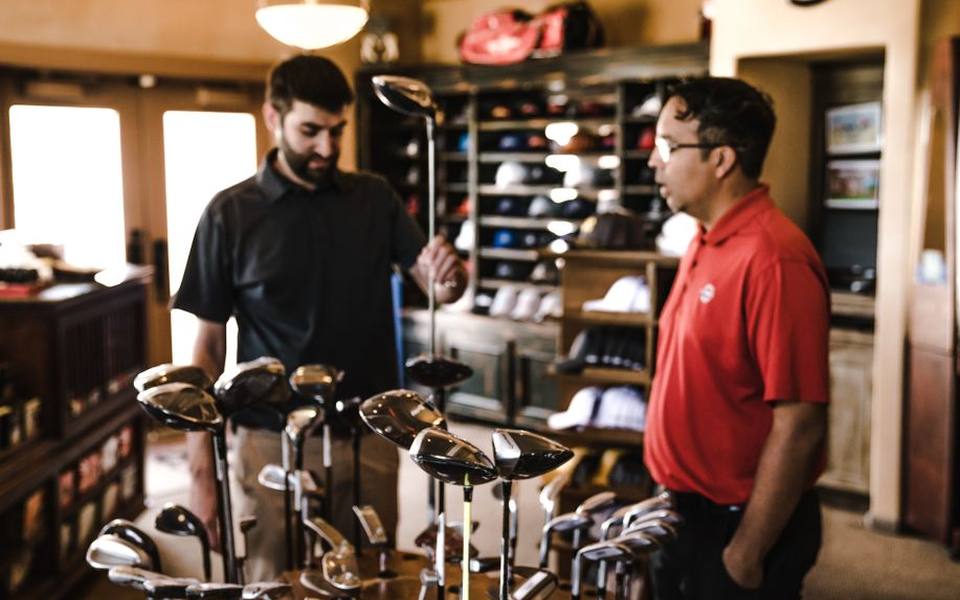
When searching for equipment near your home base, geographical proximity is only the starting point. You should verify whether a nearby shop operates as an authorized dealer for primary equipment manufacturers or specializes in closeouts and second-hand gear. Authorized dealers honor factory warranties, provide custom-order channels for non-standard lengths or lie angles, and run seasonal manufacturer demo days where representatives supply full fitting carts for open testing.
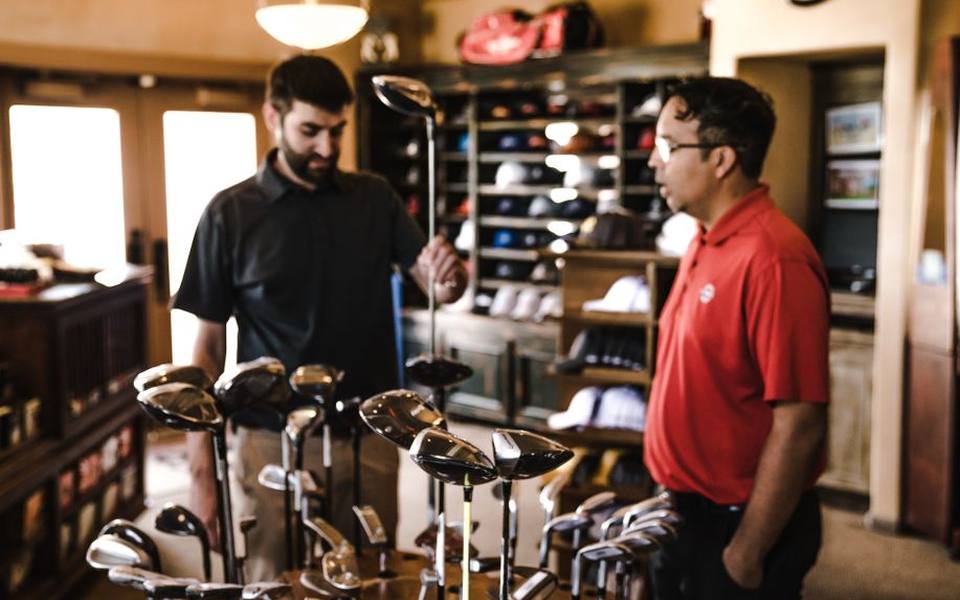
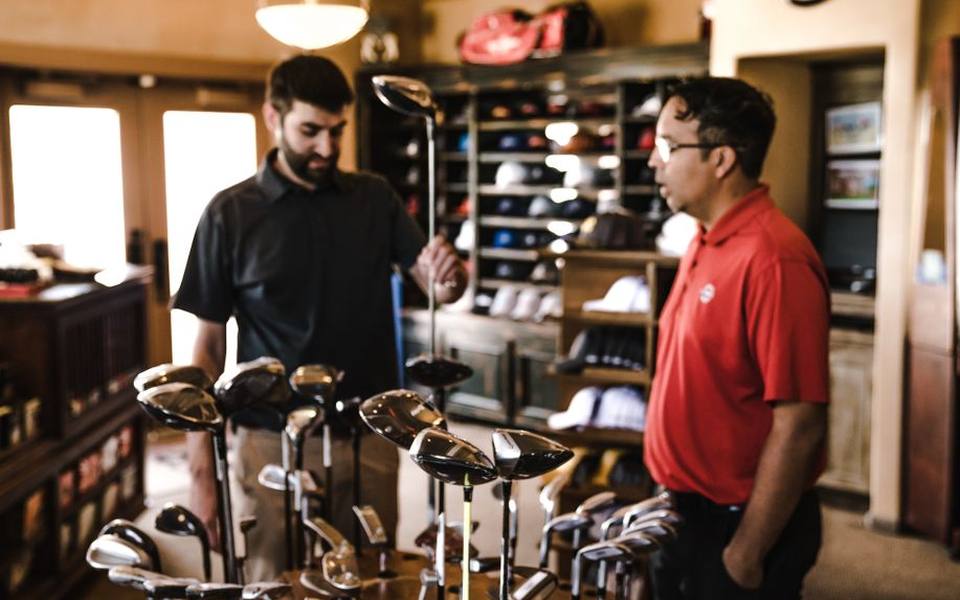
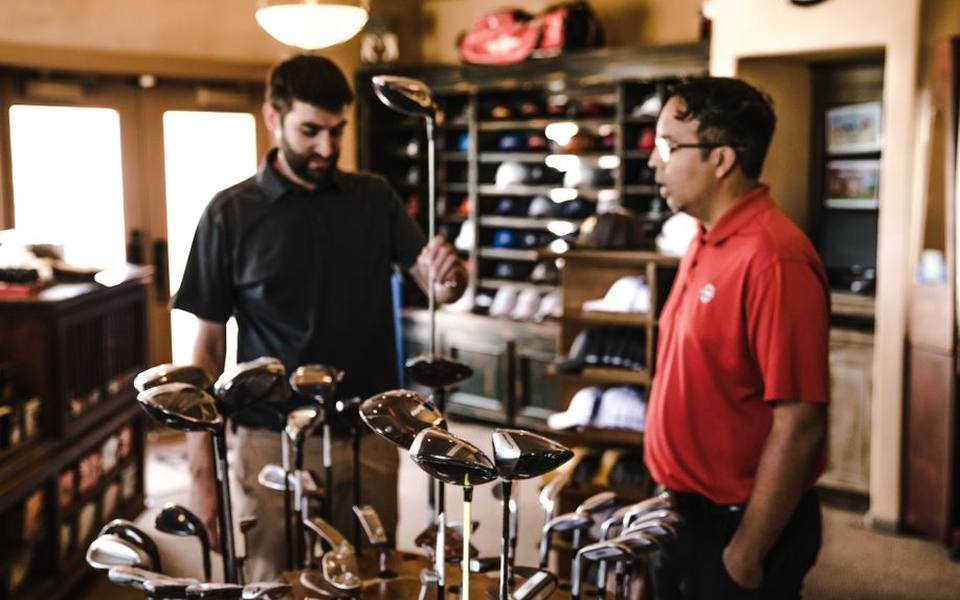
Check how an independent shop handles equipment trials before heading over. Some neighborhood retailers maintain an outdoor hitting net or indoor bay, while others strictly sell boxed clubs off the rack without testing options. A reputable local shop will readily tape up a demo head so you can hit a few swings without obligation, ensuring the club feels comfortable in your hands before you finalize the purchase.
Community reputation also reveals whether a shop prioritizes player outcomes or inventory turnover. Independent merchants who invest in trained staff tend to give honest feedback on whether an expensive driver upgrade will genuinely improve your dispersion compared to your existing setup. Developing a working relationship with a dependable counter staff pays dividends when you need warranty submissions, quick shaft pulls, or advice on seasonal course conditions.
Big-Box Superstores and the Corporate Retail Experience
Large-format warehouse retailers operate under a centralized corporate model designed to deliver identical floor plans, massive inventory depth, and standardized policies across all locations. Corporate headquarters dictate everything from product assortment and manufacturer price floors to seasonal clearances and trade-in valuations. This organizational consistency means a customer walking into a showroom in the Midwest encounters the exact same club-testing bay configurations, return guidelines, and repair counter protocols as someone shopping on the West Coast.
The primary benefit of dealing with large corporate superstores is their inventory leverage. Because corporate buyers negotiate bulk volume directly with equipment conglomerates, these stores typically carry left-handed configurations, stiff and extra-stiff shaft options, and specialty wedge grinds that smaller course shops cannot afford to keep on display. Furthermore, corporate-backed satisfaction guarantees often allow buyers to play an off-the-rack club for thirty to ninety days and return it for store credit if on-course results fall short.
However, corporate policies also introduce certain limitations for discerning shoppers. Floor staff at major chains vary widely in technical expertise, ranging from seasoned clubmakers to seasonal sales associates who may know little about swing dynamics. Additionally, trade-in programs run through corporate valuation matrices often offer modest trade values compared to direct peer-to-peer sales, reflecting standard depreciation curves and reseller overhead.
Streetwear, Fashion Labels, and Cultural Crossovers
Golf retail has experienced a substantial cultural shift driven by modern streetwear designers and lifestyle brands entering the traditional golf space. Creative figures like Tyler, the Creator have influenced a generation of golfers through label crossovers and pastel-forward aesthetics that contrast sharply with traditional country-club attire. What began as skateboarding and hip-hop apparel lines has steadily crossed into performance polos, cardigans, bucket hats, and graphic headcovers, drawing a younger demographic into pro shops and urban driving ranges.
Traditional retail counters are steadily adjusting their apparel racks to reflect this broader creative movement. Alongside heritage tour brands, many modern urban pro shops now curate independent lifestyle labels, technical casualwear, and limited-edition capsule drops that transition easily from the eighteenth green to an evening gathering. The modern golfer often prioritizes relaxed silhouettes, breathable natural blends, and expressive patterns over stiff, corporate tournament apparel.
For shoppers seeking these boutique apparel lines, sourcing requires a different strategy than tracking down standard irons. High-profile lifestyle drops typically sell through dedicated brand storefronts, pop-up events, and specialized urban golf boutiques rather than traditional big-box shelves. If you want unique apparel, following designer releases directly or visiting fashion-forward urban simulator lounges tends to yield far better selections than conventional course shops.
Mid-Atlantic and Coastal Virginia Gear Options
Regional golf retail in the Mid-Atlantic reflects a diverse mix of active military communities, coastal resort traffic, and dense suburban golf populations. In coastal markets like Virginia Beach, local pro shops cater heavily to players dealing with saltwater air, marsh breezes, and damp coastal turf. Golfers here need equipment capable of piercing persistent ocean winds, making low-spin driver heads, utility irons, and firmer low-bounce wedges frequent staples on showroom floors.
Moving slightly inland across the Piedmont region, industrial and suburban centers like Gastonia serve as vital retail corridors for players outside major metropolitan centers. Positioned near broader regional hubs, these satellite communities rely on independent family-run storefronts and driving range pro shops that balance everyday value with reliable service. Golfers in these areas often find exceptional turnaround times for basic club repair without the long queues common in dense urban centers.
If you practice across the Carolinas and Virginia, combining equipment purchases with quality outdoor testing facilities is simple. Dedicated regional facilities, including numerous driving ranges in North Carolina, provide access to expansive grass tees where you can test fairway woods and hybrids against local soil textures. Checking how a club interacts with native clay or coastal sand prevents expensive buyer remorse down the road.
Gulf Coast and Southern Regional Outposts
Retail conditions along the Gulf Coast and throughout the deep South demand gear suited for extreme humidity, tropical downpours, and dense warm-season turfgrass. In vacation hubs like Panama City Beach, golf retailers operate a dual-purpose model: supplying seasonal visitors with vacation essentials—such as lightweight stand bags, rain gear, and rental sets—while supporting year-round residents who play through persistent summer heat. Moisture-wicking technical fabrics and corded rubber grips dominate display racks here.
Further west in the Acadiana heartland, markets like Lafayette, Louisiana, blend a rich regional sporting culture with public and private course traditions. Local golf shops in this region frequently emphasize personal service, community club tournaments, and durable hardware capable of handling heavy, moisture-laden soils. Bermuda grass fairways and spongy rough require specific wedge bounces and sole reliefs, which local shop owners know intimately and recommend accordingly.
Shoppers visiting coastal Florida outlets will find that many tourist-heavy retailers offer seasonal sales cycles timed with snowbird migrations. Checking practice facilities across Florida helps traveling players find retail counters attached to full-length ranges, allowing you to replace a damaged shaft or restock premium balls before stepping onto resort championship layouts.
Heartland Corridors and New England Retail Dynamics
Golf retail throughout the interior heartland reflects booming corporate relocations and expanding recreational developments. In Northwest Arkansas, particularly around the Rogers and Bentonville corridor, economic expansion has spurred demand for high-end fitting operations and premium retail spaces. Golfers in this rolling Ozark terrain require versatile setups that account for steep elevation changes, rocky subsoils, and shifting seasonal winds, encouraging shops to stock varied hybrid and iron combinations.
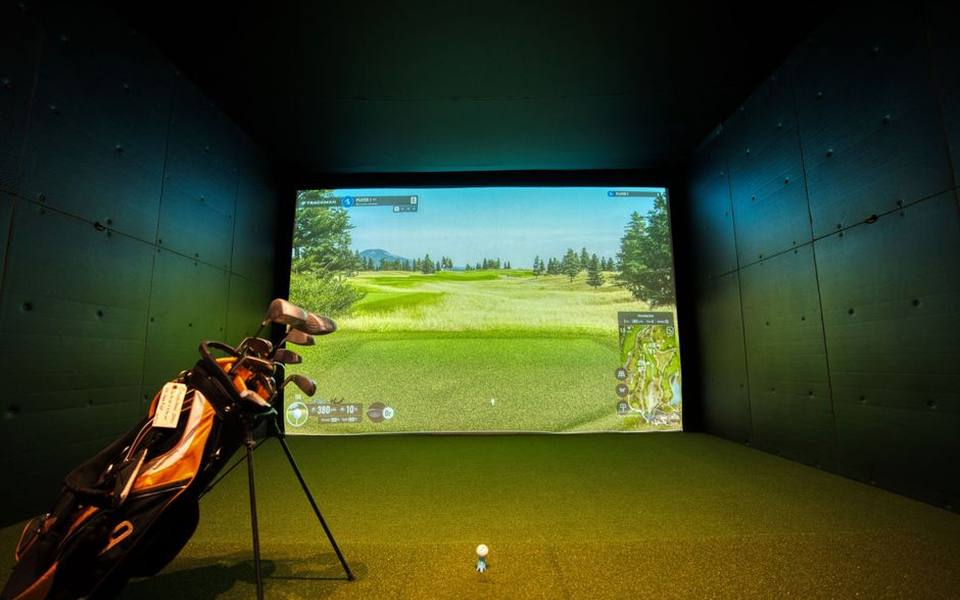
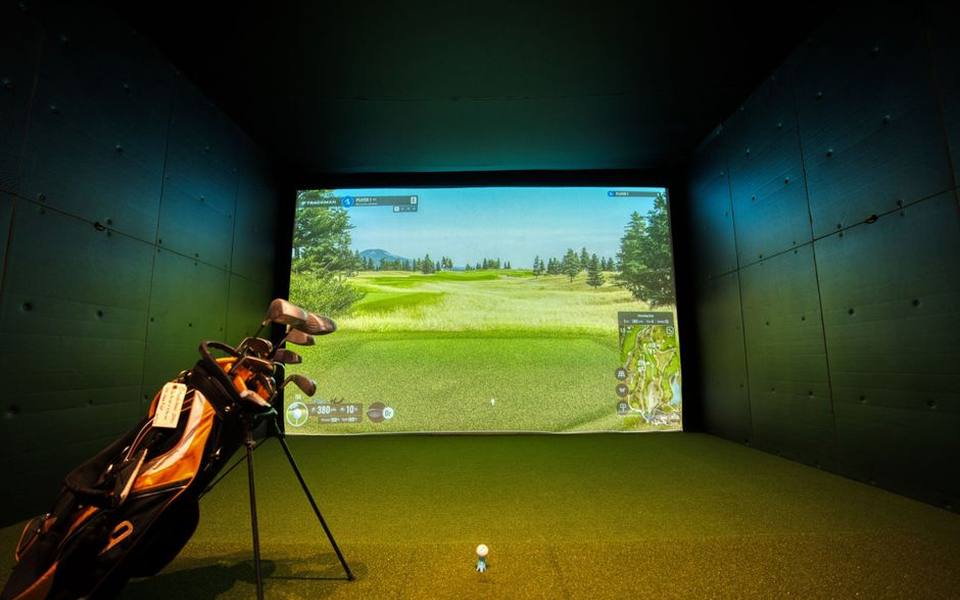
By contrast, New England golf retail faces sharp seasonal transitions that dictate retail floor plans. Around Hartford, Connecticut, traditional outdoor pro shops scale back inventory when frost settles in late autumn, shifting emphasis toward winter apparel clearances and cold-weather accessories. However, the region has seen rapid growth in year-round retail through climate-controlled venues and indoor golf simulators, where players can continue club trials and swing assessments regardless of winter snowfall.
When purchasing gear in seasonal climates, timing your store visit strategically yields significant savings. Northern retailers typically clear out existing-year equipment models in late fall to make room for winter merchandise or upcoming spring launches. If you do not require the latest model released during the winter trade shows, shopping seasonal transitions in New England or the upper Midwest offers substantial discount opportunities.
Island Logistics and Sourcing Gear in Hawaii
Shopping for golf equipment in Hawaii presents unique economic and logistical realities that mainland players rarely consider. The vast majority of golf merchandise sold across Oahu, Maui, Kauai, and the Big Island must be shipped across thousands of miles of ocean freight. As a result, off-the-rack retail prices on the islands are typically higher to absorb ocean shipping fees, and lead times for custom-ordered shafts or personalized club builds can stretch significantly longer than on the mainland.
Because of these shipping realities, visiting golfers frequently evaluate the economics of flying with their personal gear versus renting premium sets directly from island pro shops. Major island retailers and resort counters cater to this demand by maintaining extensive fleets of modern rental clubs, regularly cycling their inventory and selling off gently used sets at favorable rates toward the end of the peak travel season. Savvy island locals frequently monitor these resort pro shop clearances to score nearly new drivers and iron sets.
Environmental factors also shape island retail displays. Volcanic soil, aggressive ocean trade winds, and high UV exposure require specific equipment choices. Island pro shops heavily stock UV-protective apparel, extra-wide brim headwear, polarized eyewear, and specialized carry bags built with corrosion-resistant zippers. If you plan to play regularly on island layouts, consulting local shop staff about wind-penetrating ball models and low-bounce wedges tailored for firm volcanic turf is essential.
Fitting Bays, Repair Benches, and Value-Added Services
A premier pro shop distinguishes itself from a basic retail department through its technical workshop capabilities. Modern golfers rarely buy drivers or iron sets straight off a pegboard without verifying that the shaft weight, flex profile, length, and lie angle match their swing mechanics. Investing in a professional session for custom club fitting ensures that launch angles, spin rates, and smash factors are optimized through camera-based launch monitors before any money changes hands.
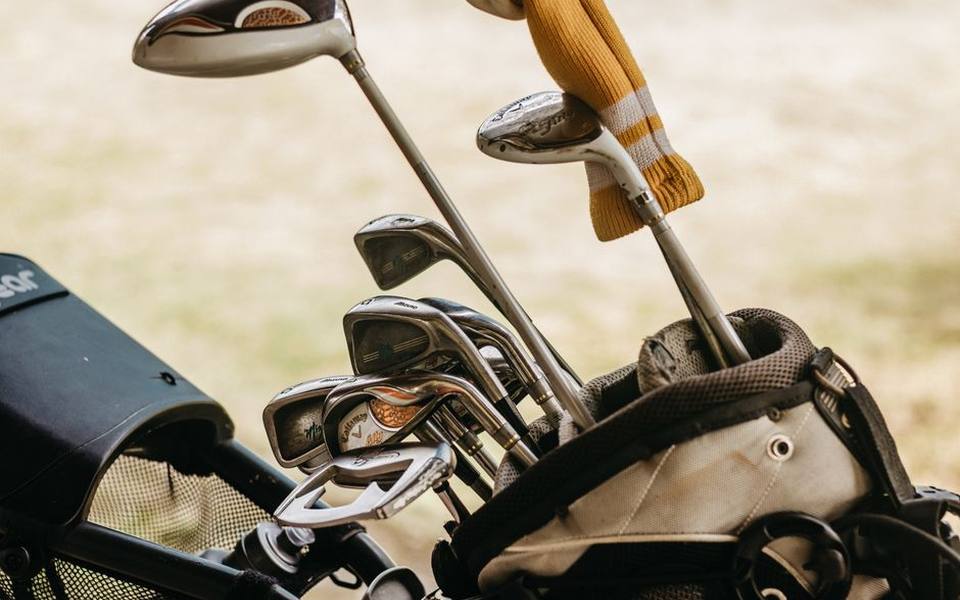
Equally important is a shop's ability to maintain and modify gear throughout its lifespan. Over several seasons of play, grips collect oils, sweat, and dirt that cause rubber compounds to harden and slip. A pro shop equipped for fast turnaround on-site club regripping can install new rubber, cord, or hybrid grips while you wait, instantly restoring hand traction and confidence over the ball.
Beyond regripping, full-service repair counters provide loft and lie adjustments, shaft extensions, tip trimming, and swing-weight balancing. Forged irons naturally bend over time through repeated turf impacts and practice sessions, shifting your shot shapes unintentionally. Routine checkups on a digital bending machine keep your club specs true to your original fitting parameters.
Evaluating a Golf Shop Business for Acquisition
For entrepreneurs considering the purchase of an existing golf retail business, success depends on evaluating far more than historical cash flows. The retail landscape faces relentless competition from online discount warehouses and direct-to-consumer manufacturers. Prospective buyers must carefully audit existing inventory to separate fast-moving, high-margin consumables like balls, gloves, and apparel from obsolete hardware that tied up operating capital on display racks.
The physical location and commercial lease terms represent another critical evaluation point. An independent golf shop thrives best when positioned in close proximity to dense driving ranges, public municipal complexes, or affluent residential golf communities. Securing long-term lease terms with reasonable occupancy costs ensures the business can weather seasonal fluctuations, especially in colder northern regions where foot traffic drops steeply during winter months.
Finally, examine the shop's vendor accounts and proprietary fitting assets. Established relationships with major original equipment manufacturers are not always automatically transferable upon a sale. Ensuring that supplier accounts, launch monitor software licenses, digital point-of-sale customer databases, and certified fitting status remain intact post-acquisition is essential to maintaining customer continuity from day one.
Published 2026-09-21 · reviewed with each rebuild, last September 2026.
Find driving ranges near you
The directory lists 3,693 driving ranges by state and city — pick your state or use the “Near me” button in the header.
More guides
-
 Buying
Realistic Costs and Equipment Needed for a Home Golf Simulator
-
 Service
Golf Club Maintenance: Regripping and Reshafting Guide
-
 Money
MoneyGolf Lessons Cost and Beginner Guide: What to Expect and How to Budget
-
 Buying
Golf Club Fitting Cost and Selection Guide
-
 Buying
A Practical Guide to Buying, Selling, and Trading In Used Golf Clubs
-
 Money
MoneyDriving Range Costs, Practice Routines, and Range Etiquette
-
 Service
Fixing Topped Shots and Improving Ball Striking on the Range
-
 Buying
Best Golf Launch Monitors Buying Guide: Space, Tech, and Budget
-
 Buying
The Complete Guide to Buying Used Golf Clubs and Pre-Owned Equipment
-
 Buying
How to Choose the Best Local Golf Shop and Pro Shop Services
-
 Owning
Miniature Golf and Putt-Putt Guide: Rules, Courses, and Family Fun
-
 Service
Complete Guide to Custom Golf Fitting and Shaft Selection
-
 Buying
Complete Guide to Buying and Maintaining Golf Shoes and Cleats
-
 Owning
Designing and Installing Indoor and Backyard Putting Greens
-
 Service
Golf Swing Analytics, Speed Training, and Shot Tracking Systems
-
 Buying
Golf Practice Nets, Driving Mats, and Backyard Hitting Setups
-
 Buying
How to Buy Used Golf Clubs and Get the Best Demo Day Deals
-
 Owning
Custom Golf Gear Personalization: Stampers, Bags, and Embroidery
-
 Buying
Selecting and Setting Up Home Golf Simulators and Launch Monitors
-
 Service
Choosing Golf Academies, Lessons, and Coaching Programs
-
 Buying
Custom Golf Club Fitting: Shafts, Clubheads, and Specifications
-
 Service
Entertainment Driving Ranges: Planning Group Outings, Corporate Events, and Bachelor Parties
-
 Service
Mini Golf, Footgolf, and Indoor Golf: Complete Venue Guide and Directory
-
 Owning
Tournaments, Scoring Tech, and Gear Upkeep: The Modern Golfer's Guide
-
 Buying
Golf Equipment and Club Fitting Guide: Starter Sets, Drivers, and Custom Builds
-
 Owning
Designing and Hosting Mini Golf Events: Indoor Party Venues and Practice Games
-
 Buying
Indoor Golf Practice and Launch Monitors: How to Build Your Studio
-
 Buying
Golf Laser Rangefinders Buyer's Guide: Features, Accuracy, and Value
-
 Owning
Golf Club Groove Maintenance: Tools, Techniques, and Equipment Care
-
 Buying
Commercial Golf Green Mowers: Maintenance, Selection, and Buying Guide
-
 Owning
Best Mobile Golf Simulators and Games for Practice and Play
-
 Owning
Fixing Heavy Contact, Managing Distance, and Choosing Cold-Weather Gear
-
 Buying
Club Car Golf Carts: The Practical Guide to Buying, Inspecting, and Customizing
-
 Owning
Complete Guide to Putt-Putt Games: History, Titles, Platforms, and Walkthroughs
-
 Service
Top Sports Bars and Lounges: How to Pick the Best Game-Day Spots in NYC and Florida
-
 Safety
24-Hour Gun and Shooting Ranges: Availability, Rules, and Finding Round-the-Clock Facilities
-
 Owning
Golf Green Mobile Estates: Guide to Golf Community Living and Amenities